2026 Top Types of Cylindrical Roller Bearings for Industrial Applications?
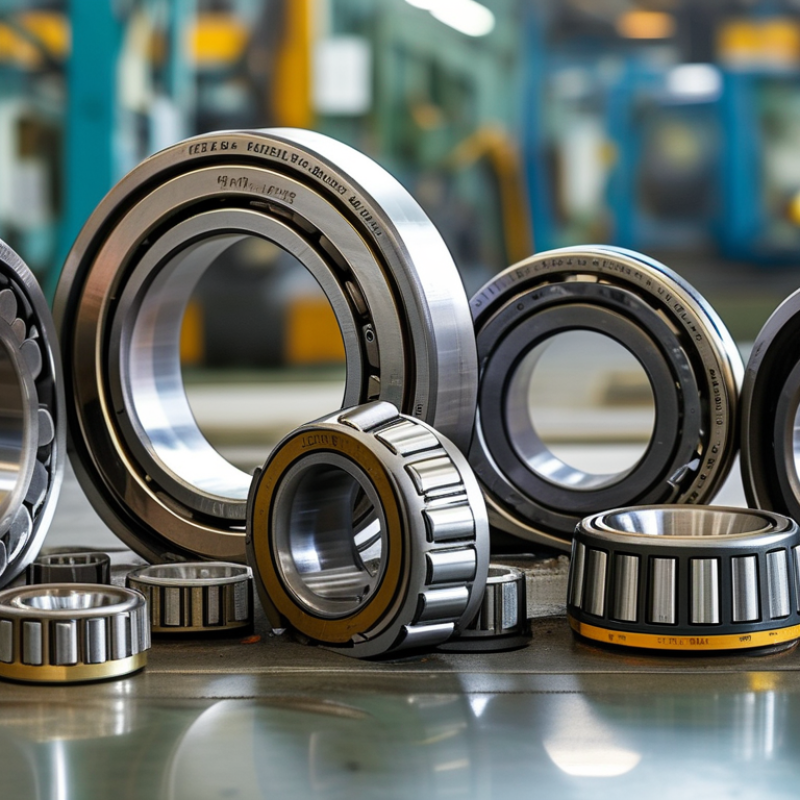
Cylindrical roller bearings are essential components in various industrial applications. They help reduce friction and support heavy loads. In 2026, specific types stand out due to their performance and reliability.
The demand for high-quality cylindrical roller bearings continues to grow. Industries are seeking bearings that can withstand extreme conditions. These bearings offer durability and efficiency, making them ideal for manufacturing and machinery.
Choosing the right cylindrical roller bearing can be challenging. Factors like load capacity and operating speed play a crucial role. It’s vital to understand each type's characteristics to make an informed decision. As manufacturers innovate, the future of these bearings looks promising yet complex.
2026 Overview of Cylindrical Roller Bearings in Industrial Settings
Cylindrical roller bearings have become essential in various industrial applications. Their ability to handle heavy loads and maintain high speeds makes them ideal for motors, gearboxes, and conveyor systems. As industries evolve, understanding the best types of cylindrical roller bearings is crucial. Each type serves specific needs, from high-speed machines to those requiring greater load capacity.
For effective selection, consider operating conditions. Temperature fluctuations and environmental factors can impact bearing performance. It's wise to consult with experts familiar with your industry to ensure you choose appropriate bearings. Look into material types as well; they play a significant role in longevity and reliability.
Tips: Regular maintenance checks can enhance bearing lifespan. Monitor noise levels and vibrations during operation. These signs may indicate wear or misalignment. Always keep detailed records of performance and maintenance for future reference. This practice facilitates better decision-making on replacements or upgrades.
When examining different types, remember that not all bearings are created equal. It's about finding the right fit for your specific application. Engage with professionals who have extensive knowledge of cylindrical roller bearings. Their insights can guide you in making the best choice for your equipment's needs.
Key Features and Advantages of Cylindrical Roller Bearings
Cylindrical roller bearings are essential in various industrial applications. They provide high load capacity and can accommodate linear and radial loads. This makes them a preferred choice in demanding environments. Their design allows for efficient operation, reducing friction and wear.
Key features include high rigidity and excellent shock resistance. These bearings are suitable for heavy machinery and industrial gearboxes. Their ability to handle misalignment improves reliability in operations. Additionally, the reduced maintenance requirements are a significant advantage.
Tips: Regular inspection can prevent unexpected failures. Monitor for unusual vibrations and noises. Ensure proper lubrication to enhance performance and lifespan.
The advantages of cylindrical roller bearings also include adaptability to different speeds. However, they may not always perform optimally under extreme temperatures. It's crucial to choose the right type based on specific needs. Consider load capacity and operating conditions carefully for the best results.
Leading Manufacturers of Cylindrical Roller Bearings in 2026
In 2026, the demand for cylindrical roller bearings is set to rise significantly in industrial applications. These bearings are essential for equipment that requires high load capacity and stable performance. Various manufacturers are gearing up to meet this demand with advanced designs and materials. Their focus lies in enhancing durability and efficiency, addressing key challenges in heavy machinery and other sectors.
Leading manufacturers prioritize research and development. They utilize innovative techniques to create bearings that withstand extreme conditions. By implementing advanced materials, these companies ensure prolonged service life. However, challenges remain in balancing cost-effectiveness with high performance. It's crucial for manufacturers to continually assess their strategies. Not all designs are suitable for every application, prompting a need for tailored solutions.
Many manufacturers also emphasize sustainable practices in production. This trend leads to more environmentally friendly options. Yet, achieving sustainability while maintaining quality can be complex. Companies might face trade-offs that require ongoing evaluation. Therefore, potential buyers must remain informed about emerging technologies and market trends to make sound decisions. This proactive approach can enhance operational efficiency while ensuring reliability.
Common Industrial Applications of Cylindrical Roller Bearings
Cylindrical roller bearings are vital components in many industrial applications. They are commonly found in machinery that requires high load capacity and speed. Industries such as automotive, construction, and renewable energy rely on these bearings for optimal performance. According to a report by Grand View Research, the cylindrical roller bearing market is expected to reach $16.3 billion by 2026, reflecting their growing importance in modern machinery.
In the automotive sector, cylindrical roller bearings support engine components and transmissions. They can withstand heavy loads and reduce friction, enhancing efficiency. Similarly, in construction equipment, they are integral to cranes and excavators, where durability is essential. However, not all applications benefit from using these bearings.
Misalignment or improper installation can lead to premature failure, highlighting the need for proper maintenance and monitoring.
Renewable energy systems, such as wind turbines, also showcase the versatility of cylindrical roller bearings. They help in the smooth operation of gearboxes, even in harsh environments. A report from Mordor Intelligence projected a compound annual growth rate of 6.3% in the wind energy sector's use of these bearings over the next few years. Despite this promise, challenges like moisture ingress and wear still require attention from engineers and operators to ensure longevity.
Future Trends in Cylindrical Roller Bearing Technologies
As industries evolve, so do the technologies surrounding cylindrical roller bearings. These components are crucial in applications ranging from automotive to heavy machinery. Their design is constantly adapting to meet the higher demands for efficiency and reliability. The future points to smarter bearings with integrated sensors. These sensors could monitor wear and performance in real-time.
Advanced materials are also on the horizon. Manufacturers are exploring the use of composites and ceramics to improve durability and reduce weight. This shift is particularly important in industries that prioritize energy efficiency. Despite these advancements, there are challenges. The cost of new materials can be high, and their long-term performance is still uncertain.
Moreover, as automation rises, the need for precise alignment and reduced friction becomes critical. This means engineers must think creatively. They need to balance performance with product lifespan. Research into lubrication technology continues, aiming for greener, more effective solutions. The journey of cylindrical roller bearings is filled with potential, but it requires ongoing innovation and critical assessment.