How to Choose the Right Auto Wheel Bearing for Your Vehicle?
Choosing the right Auto Wheel Bearing can significantly affect your vehicle's performance and safety. A poorly chosen bearing can lead to increased friction and wear, leading to costly repairs. According to a report by the Automotive Research Institute, over 35% of premature bearing failures are linked to incorrect specifications. This highlights the importance of selecting the right part.
Industry expert Michael Davidson, a recognized authority on automotive components, states, “An informed choice in Auto Wheel Bearings promotes longevity and enhances vehicle safety.” It is essential to consider various factors, including vehicle type, load specifications, and driving conditions. With the variety of options available, understanding these aspects can make a considerable difference.
Finding the ideal Auto Wheel Bearing isn't always straightforward. Some consumers may overlook the significance of brand reputation and manufacturing quality. Solid research is vital, as it helps buyers avoid pitfalls. The right choice not only saves money but ultimately ensures a safer driving experience.
Understanding the Function of Auto Wheel Bearings in Vehicles
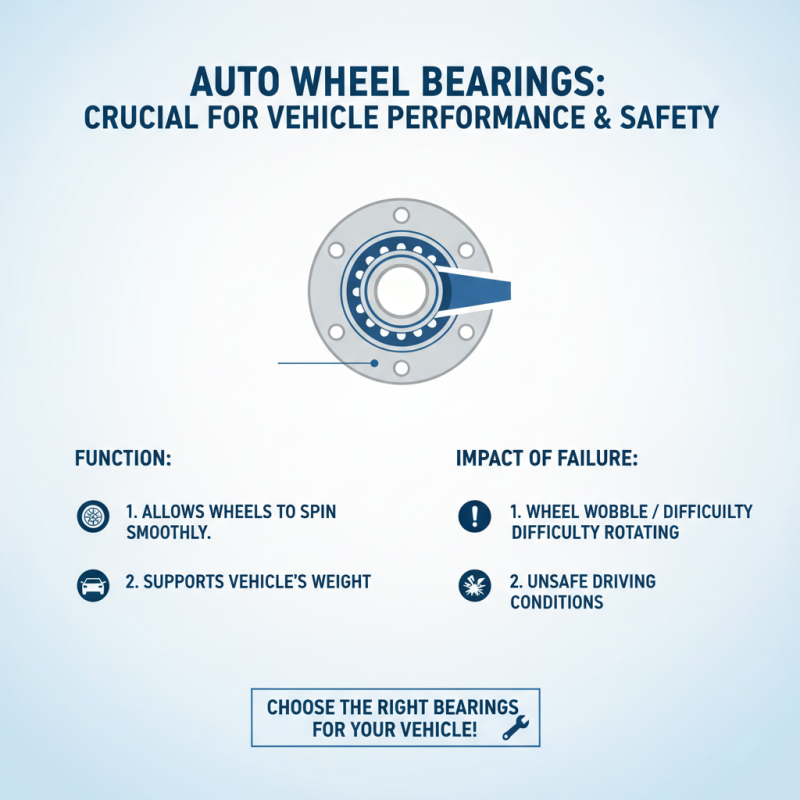
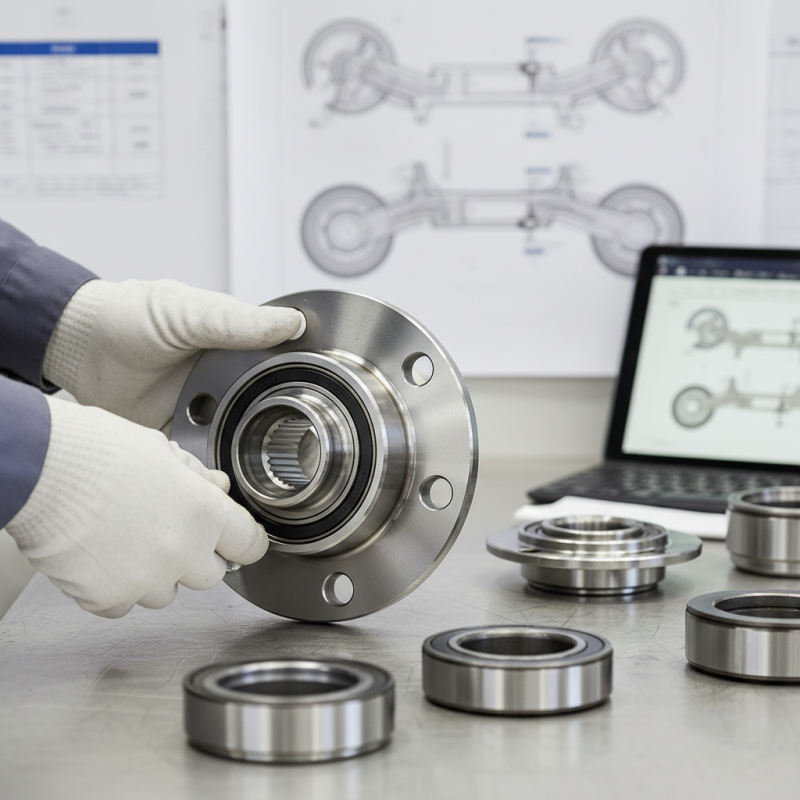
Auto wheel bearings play a crucial role in vehicle performance and safety. They allow the wheels to spin smoothly while supporting the vehicle’s weight. Without proper function, the wheels may wobble or have difficulty rotating. This can lead to unsafe driving conditions. Understanding how these components work helps in selecting the right ones for your vehicle.
When considering auto wheel bearings, remember to evaluate your driving habits. You should assess the conditions your vehicle often encounters. For example, frequent off-road driving may require more robust bearings. In contrast, city driving might demand a different kind that focuses on noise reduction.
Tip: Always consult a professional mechanic before purchase. They can provide insights into which bearings best fit your vehicle's needs. Signs of worn-out bearings include unusual noises when driving and vibrations felt through the steering wheel. Pay attention to these signs to ensure your safety. Additionally, keeping your bearings lubricated can extend their lifespan and enhance performance.
Identifying the Signs of Worn or Faulty Wheel Bearings
Recognizing the signs of worn or faulty wheel bearings is crucial for your vehicle's safety. A common symptom is a grinding noise that increases with speed. This noise often indicates that the bearing is damaged. If you hear humming or rumbling, it may signal a deeper issue. Pay attention to how your car feels. If you experience vibrations in the steering wheel, it could mean your bearings are failing.
Other signs include uneven tire wear and a loose feeling in the wheel. If your vehicle pulls to one side, it could be due to a bearing issue. Inspect the wheels for any play or wobble. This can indicate bearing degradation. Regular checks can save you from larger problems down the road. Do not ignore warning signs, as delay may lead to costly repairs. Stay observant to ensure your vehicle remains safe and efficient.
Common Signs of Worn or Faulty Wheel Bearings
Factors to Consider When Selecting Wheel Bearings for Your Vehicle
Choosing the right auto wheel bearing is crucial for vehicle performance and safety. Several factors should guide your selection process. One key consideration is the type of vehicle you own. Different vehicles require specific bearing designs and materials. Heavy-duty trucks, for instance, have different needs than compact cars.
Additionally, it's essential to examine the bearing's load capacity. Bearings are designed to handle varying levels of weight and stress. Overloading can lead to premature failure. Look for bearings that match both your vehicle's specifications and your driving conditions. For instance, frequent off-road driving will demand more robust bearings than regular highway use.
Lastly, installation is vital. Proper installation affects the lifespan of wheel bearings. If unsure, consult with a professional for help. Misalignment during installation can cause inefficiencies. Pay attention to signs of wear or unusual noises. These can indicate that your chosen bearing may not be suitable. It's a critical aspect often overlooked.
Comparing Different Types of Wheel Bearings Available on the Market
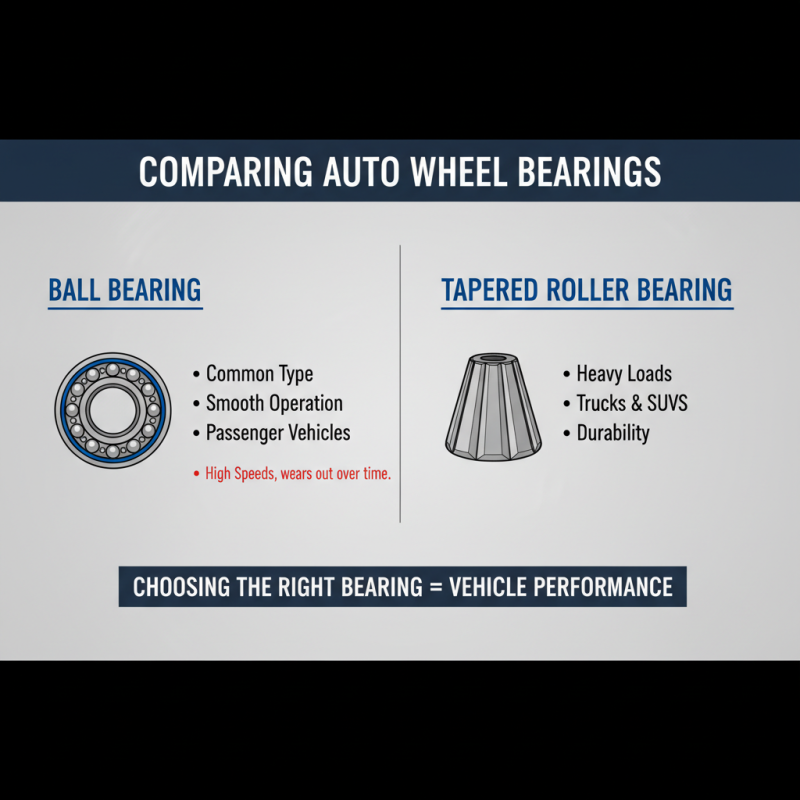
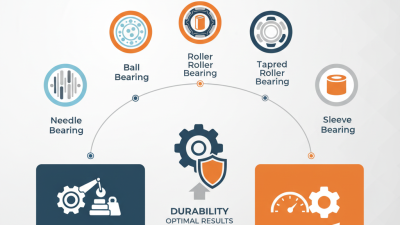
Choosing the right auto wheel bearing involves understanding the types available. Wheel bearings are crucial for your vehicle's performance. A common type is the ball bearing, known for smooth operation. These are often used in passenger vehicles. They handle high speeds well but can wear out over time.
Another type is the tapered roller bearing. This bearing type provides greater load capacity. It is ideal for heavy-duty vehicles, like trucks. Tapered roller bearings can withstand axial and radial loads. This makes them a popular choice among mechanics. However, installation can be tricky and may require professional help.
Lastly, there are sealed and unsealed bearings. Sealed bearings protect against dirt and moisture, extending their lifespan. Unsealed bearings offer easy repairs but lack that protection. Choosing the right type depends on your driving style and environment. Reflect on your needs before making a decision. The wrong choice may lead to early failure and expensive repairs.
Importance of Quality and Brand Reputation in Wheel Bearings Selection
When selecting auto wheel bearings, quality and brand reputation are crucial. According to industry reports, low-quality bearings can lead to premature failure, affecting safety and performance. Choosing reliable brands ensures that you get products that meet strict manufacturing standards. In fact, reputable manufacturers often invest in rigorous testing. This guarantees their products can withstand various driving conditions.
Tips: Look for bearings that come with extended warranties. This can be a good indicator of quality.
The precise materials used in wheel bearings can also signal their durability. For instance, bearings made of high-carbon chromium steel are known for better strength and longevity. Many expert reports suggest that choosing bearings from well-known brands can reduce the risk of failure by over 50%. However, some consumers might overlook secondary brands, assuming they are inferior without proper investigation.
Tips: Always read customer reviews. They can provide insights into real-world performance.
A significant aspect is that not all warranties cover the same issues. Make sure to understand what each warranty entails. This knowledge can save you significant costs in repairs. Balancing cost and quality is essential. Cheap options may seem enticing but could end up being the most expensive choice in the long run.
How to Choose the Right Auto Wheel Bearing for Your Vehicle?
| Dimension |
Specification |
Material |
Weight (lbs) |
Price Range ($) |
| Inner Diameter: 30mm |
Outer Diameter: 50mm |
Steel |
1.5 |
25 - 50 |
| Inner Diameter: 32mm |
Outer Diameter: 55mm |
Chrome Steel |
1.8 |
30 - 60 |
| Inner Diameter: 35mm |
Outer Diameter: 60mm |
Carbon Steel |
2.0 |
40 - 70 |
| Inner Diameter: 37mm |
Outer Diameter: 62mm |
Stainless Steel |
1.9 |
35 - 65 |
| Inner Diameter: 40mm |
Outer Diameter: 70mm |
Alloy Steel |
2.2 |
50 - 90 |