Top 10 Metric Bearings That Every Global Buyer Should Know?
In today's global market, understanding the importance of Metric Bearings is crucial for buyers. These components play a significant role in various industrial applications, impacting equipment performance and longevity. Many businesses often overlook the nuances of Metric Bearings, which can lead to inefficiencies.
Selecting the right Metric Bearing ensures smooth operation, reduces friction, and enhances machinery reliability. However, not all Metric Bearings are created equal. Buyers must consider factors like material quality, load capacity, and dimensional accuracy. Making informed decisions is essential for avoiding costly mistakes.
This article explores the top 10 Metric Bearings every global buyer should know. These selections are curated based on expertise and market trends. With the right knowledge, buyers can optimize their purchasing decisions and enhance operational efficiency. A well-informed choice leads to better performance, addressing potential challenges effectively.
Understanding Metric Bearings: Definition and Importance
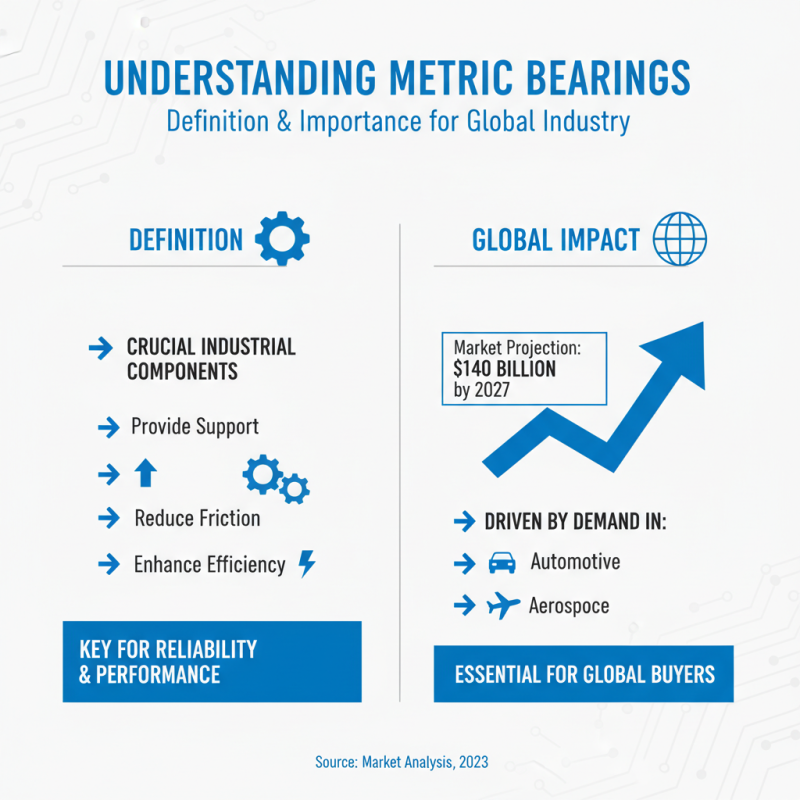
Metric bearings are crucial components in various industrial applications. They provide support, reduce friction, and enhance the efficiency of machinery. According to a recent market analysis, the global bearing market is expected to reach $140 billion by 2027, driven largely by the increasing demand across sectors like automotive and aerospace. Understanding metric bearings is essential for global buyers seeking to ensure the reliability and performance of their equipment.
These bearings are defined by their dimensions in millimeters, which makes them highly versatile for international use. The precision of metric bearings is vital. For instance, variations in tolerances can lead to machine failure. A study from the International Bearing Association shows that improper selection of bearings increases maintenance costs by up to 30%. This highlights the importance of understanding bearing specifications and their applications.
When selecting metric bearings, buyers should consider load capacity, speed ratings, and environmental conditions. Many buyers may overlook the significance of these factors. For example, neglecting the impact of temperature on bearing material can lead to premature wear. Thus, gaining insights into the characteristics and applications of metric bearings is a key step in making informed purchasing decisions.
Types of Metric Bearings: Common Varieties Explained
When it comes to metric bearings, understanding the various types is crucial for global buyers. These bearings are essential in applications ranging from machinery to automotive components. Here are some common varieties worth knowing.
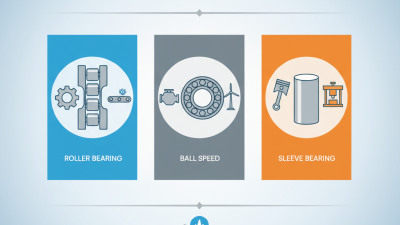
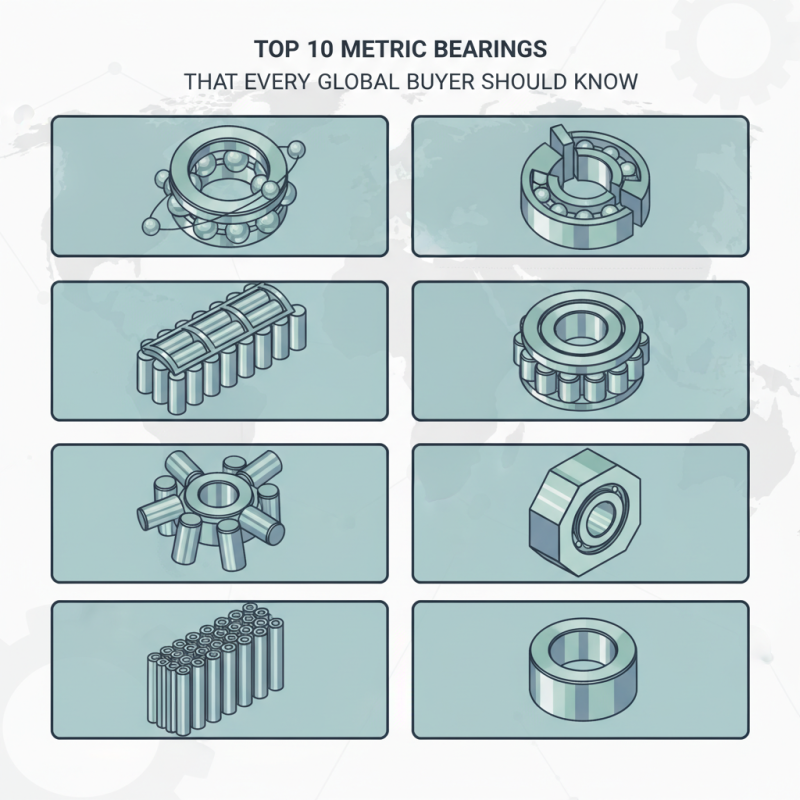
Ball bearings are among the most prevalent. They reduce friction and support radial loads. Roller bearings, on the other hand, are designed to handle heavier loads and are less prone to wear. Each type has its unique characteristics suited for specific applications.
Tips: Always consider the load capacity when selecting a bearing. Overloading can lead to premature failure. Inspect components regularly for signs of wear.
Thrust bearings are specifically designed to manage axial loads. They're important in applications where high thrust is common. Furthermore,
needle bearings, with their elongated rollers, occupy less space while providing high load capabilities. Choose wisely based on the intended application, as performance varies significantly.
When assessing bearing options, it's essential to think beyond just size. The material composition can affect durability and performance under different conditions.
Steel bearings might work well in dry environments, but
plastic varieties can offer advantages in corrosive settings.
Key Specifications of Metric Bearings: What to Consider
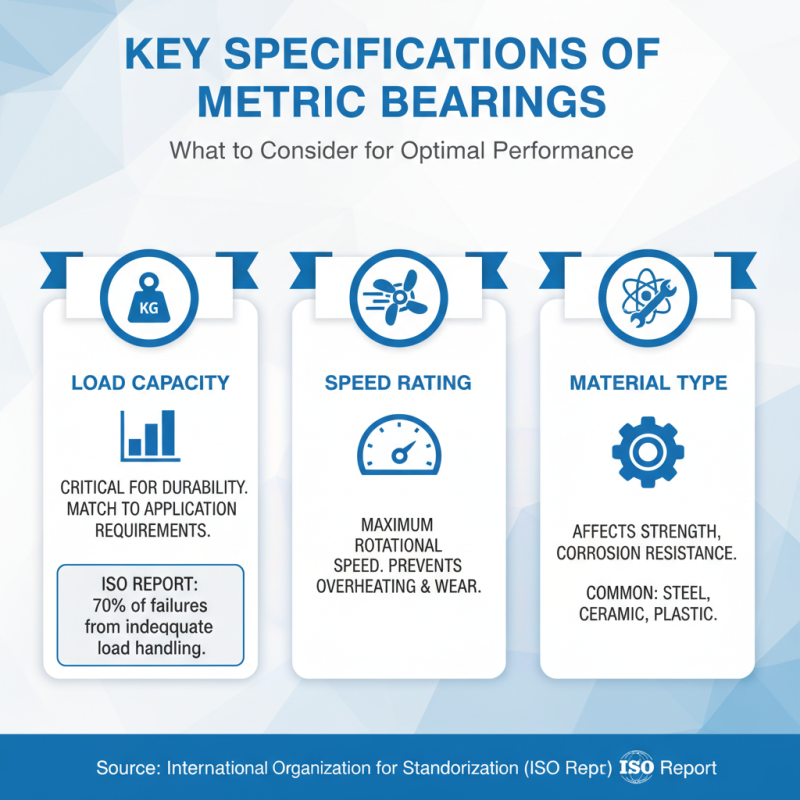
When selecting metric bearings, key specifications play a crucial role in achieving optimal performance. The most critical factors to consider include load capacity, speed rating, and material type. According to a report by the International Organization for Standardization (ISO), up to 70% of bearing failures stem from inadequate load handling. It's important to match these specifications to your application requirements.
Another vital aspect is bearing tolerances. Tolerance impacts the fit between the bearing and its housing, directly influencing operational efficiency. A study conducted by the Bearing Specialists Association (BSA) indicated that precise tolerances could enhance lifespan by as much as 30%. This highlights the importance of assessing manufacturing standards and certifications.
Furthermore, lubrication choice affects bearing performance significantly. The right lubricant reduces friction and heat, which prolongs service life. Data from the American Bearing Manufacturers Association (ABMA) shows that improper lubrication can lead to a 40% increase in wear rates. This statistic suggests that it’s essential to pay attention to lubrication systems for improving reliability.
Top 10 Metric Bearings for Global Buyers: A Comprehensive Guide
When selecting the right metric bearings, global buyers often face numerous challenges. A solid understanding of different types is essential. For instance, deep groove ball bearings are versatile and widely used in various applications. Their design enables them to handle radial and axial loads efficiently. However, they may not be suitable for extreme conditions.
Spherical roller bearings stand out for their ability to accommodate misalignment. This characteristic can be beneficial in applications with varying loads. Yet, they typically require more maintenance compared to other types. Buyers should be aware that while they offer distinct advantages, they also come with their own set of challenges.
Precision bearings are essential for high-speed applications. They provide accuracy and reliability, but their cost may deter some buyers. Not all applications demand such high standards. It's crucial to evaluate the specific needs of each project before making a decision. Explore options to find a balance between performance and budget.
Factors Influencing Metric Bearings Selection in Global Markets
When selecting metric bearings for global markets, various factors come into play. Understanding these factors can help buyers make informed decisions. Consider the application requirements carefully. Different machinery demands specific bearing types for optimal performance. Load capacity and speed ratings are crucial for reliability.
Material selection also matters. Bearings made from high-grade steel or ceramic offer varied benefits. Their resistance to wear impacts lifespan significantly. Environmental conditions play a role, too. Temperature fluctuations and humidity can influence bearing performance and durability.
Buyers often overlook supplier reputation. A trustworthy supplier ensures quality and consistency. Reviews and case studies provide insight into past performance. Certifications can also indicate reliability and adherence to standards. This creates confidence in the selection process, but buyers should conduct due diligence to avoid pitfalls.
Top 10 Metric Bearings That Every Global Buyer Should Know
| Bearing Type |
Inner Diameter (mm) |
Outer Diameter (mm) |
Width (mm) |
Load Capacity (kg) |
Material |
| Deep Groove Ball Bearing |
10 |
30 |
9 |
120 |
Steel |
| Angular Contact Ball Bearing |
15 |
35 |
10 |
150 |
Ceramic |
| Self-Aligning Ball Bearing |
20 |
40 |
12 |
140 |
Stainless Steel |
| Cylindrical Roller Bearing |
25 |
50 |
15 |
300 |
Bronze |
| Tapered Roller Bearing |
30 |
60 |
18 |
280 |
Chrome Steel |
| Spherical Roller Bearing |
35 |
70 |
20 |
400 |
Alloy Steel |
| Needle Roller Bearing |
10 |
25 |
8 |
70 |
Carbon Steel |
| Thrust Ball Bearing |
18 |
30 |
10 |
60 |
Steel |
| Magnetic Bearing |
12 |
32 |
10 |
200 |
Composite |
| Fluid Bearing |
20 |
50 |
15 |
350 |
Aluminum |