What is a Pillow Block Bearing and How to Choose One?
In the industrial landscape, the "Pillow Block Bearing" plays a crucial role in machinery performance. These bearings allow shafts to function smoothly, reducing friction and wear. According to a report by Market Research Future, the global pillow block bearing market is expected to grow significantly, reaching a value of $2 billion by 2025.
John Smith, a renowned expert in bearing technology, states, “Selecting the right pillow block bearing is vital for operational efficiency.” His insights highlight the importance of choosing the appropriate bearing for specific applications. Factors such as load capacity, material, and mounting options can significantly affect performance and longevity. However, many users underestimate these factors, leading to premature failure.
Choosing a pillow block bearing requires careful consideration. It's not just about finding a suitable product; it’s about ensuring long-term reliability. Failing to understand the specifications can lead to costly downtime. This highlights the need for informed decision-making in bearing selection.
What is a Pillow Block Bearing? Definition and Overview
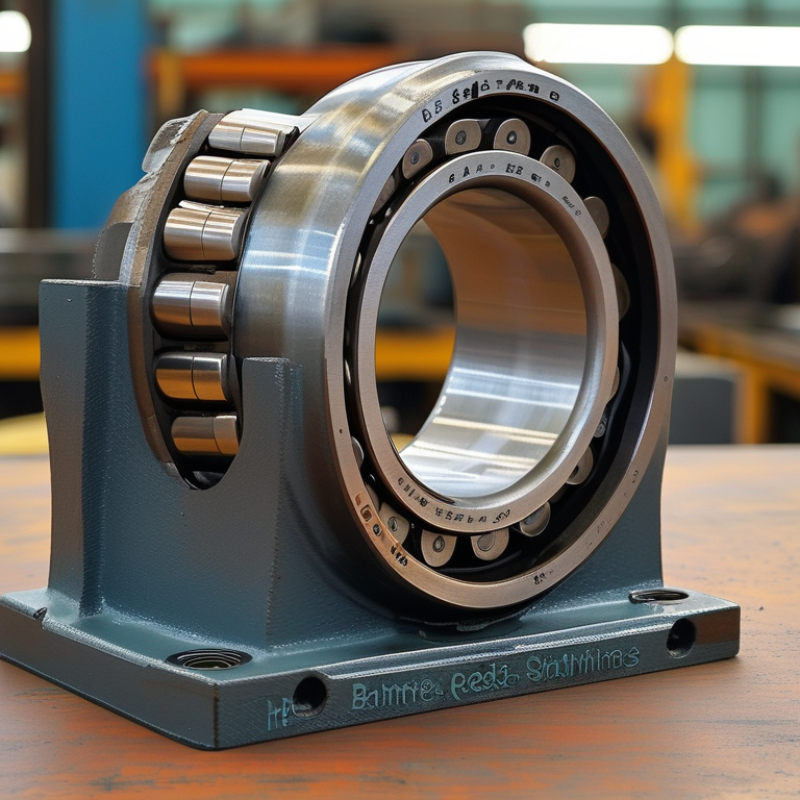
Pillow block bearings are crucial components in many mechanical systems. They provide support for rotating shafts while facilitating smooth motion. Typically, they consist of a mounted housing and an inner bearing that accommodates a shaft. Their design makes them versatile and easy to install. Found in agricultural machinery, conveyor systems, and fan assemblies, these bearings play a pivotal role in ensuring efficiency and reliability.
Choosing the right pillow block bearing requires careful consideration. Factors such as load capacity, speed, and environmental conditions are essential. For example, a high-speed application may require different specifications than one exposed to harsh weather. Additionally, the alignment and installation must be precise. Improper installation can lead to premature wear. Failure to assess these factors can result in costly downtime and repairs, highlighting the importance of informed decision-making. Understanding your specific needs is vital for optimal performance.
Key Components of Pillow Block Bearings and Their Functions
Pillow block bearings are essential components in many mechanical systems. Understanding their key components helps in making informed decisions during selection. The primary parts include the bearing itself, housing, and locking mechanism. Each plays a distinct role. The bearing supports axial and radial loads. The housing provides stability. The locking mechanism ensures secure positioning.
Material choice is crucial for durability. Pillow block bearings can be made from different materials, like steel or cast iron. This decision affects the bearing’s lifespan and performance in various environments. For instance, corrosion-resistant materials work best in humid conditions.
Misalignment is a common issue in installations. Ensuring proper alignment of the shaft in relation to the bearing can reduce wear. However, even with the best practices, some misalignment may still occur. This can lead to increased friction and heat, undermining efficiency. Periodic inspections can reveal hidden issues and extend service life. In conclusion, a thoughtful approach to selecting and maintaining pillow block bearings can enhance performance.
Types of Pillow Block Bearings: Material and Design Variations
When selecting a pillow block bearing, understanding the material and design variations is crucial. Commonly used materials include cast iron, stainless steel, and thermoplastics. Each material has unique properties. Cast iron bearings excel in durability and load capacity, while stainless steel provides excellent corrosion resistance. Thermoplastics are lightweight and suitable for applications where weight is a concern.
The design variations further enhance application suitability. Standard pillow block bearings are easy to install but may not fit all requirements. For high-temperature applications, specialized designs made from advanced polymers are beneficial. According to a report by MarketsandMarkets, the global market for pillow block bearings is expected to reach $3.5 billion by 2025, indicating their importance in various industries.
Engineers must consider load ratings, speed, and environmental factors when choosing a bearing. Not all pillow block designs perform well under specific conditions. Some users have reported premature failure due to inadequate design choices. It is critical to match the bearing's specifications with the application's demands to avoid costly downtime and repairs. The right choice hinges on a thorough understanding of available materials and designs.
What is a Pillow Block Bearing?
A pillow block bearing is a mounted bearing that is used to provide support for a rotating shaft. It helps to reduce friction and wear between the shaft and the supporting structure.
Popularity of Different Materials Used in Pillow Block Bearings
The chart below displays the popularity of various materials used in pillow block bearings based on common application insights. Cast iron is widely favored for its strength, while stainless steel offers corrosion resistance. Plastic and aluminum are used in lighter applications, whereas bronze provides excellent wear properties.
Important Factors to Consider When Choosing a Pillow Block Bearing
When selecting a pillow block bearing, there are several crucial factors to consider. The operating environment plays a significant role. Measurements of temperature, humidity, and the presence of contaminants can affect bearing performance. Industries often report that about 30% of bearing failures stem from inadequate environmental consideration.
The load capacity is another important aspect. It determines how much weight the bearing can support. A common guideline is to choose a bearing with a load capacity at least 20% higher than the expected load. In heavy industries, failing to meet this criteria can lead to failures that could incur costs beyond repair.
Choosing the right material is essential. Pillow blocks can be made from various materials, including cast iron, steel, and thermoplastic. Each material comes with its strengths and weaknesses. For instance, while thermoplastics are lightweight, they may not withstand high temperatures as well as metals. User reviews often highlight the downsides of material choices in real-world applications. Reflecting on this can aid in finding a suitable option.
For optimal performance, regular maintenance is key. Schedule periodic inspections, and check for signs of wear. Replace any parts that show damage or excessive wear. Over time, tracking these details will help in preventing costly downtime. Understanding these factors ensures a more reliable and effective bearing selection.
Industry Applications and Load Capacities for Pillow Block Bearings
Pillow block bearings are essential components in many industries. They provide support and facilitate smooth operation for rotating shafts. Understanding load capacities and applications is crucial for selecting the right pillow block bearing.
In manufacturing, these bearings support conveyors and production lines. They handle heavy loads and can withstand environmental stressors. In agriculture, pillow block bearings are found in machinery like tractors and harvesters. They must be durable to deal with dust, moisture, and vibration.
When choosing a pillow block bearing, it’s important to consider load ratings. Operating conditions can affect the bearing's performance. Choose materials that resist wear and corrosion. Installation should be precise to avoid misalignment, which can lead to premature failure.
In addition, keep in mind the maintenance routines. Regularly inspect and lubricate bearings to extend their lifespan. This practice prevents unexpected breakdowns. Always assess the specific demands of the machinery before making your selection.