How to Choose the Right Inch Bearings for Your Needs?
Choosing the right Inch Bearings can significantly impact the performance of your machinery or project. These small yet crucial components play a vital role in reducing friction and facilitating smooth motion. Whether you are a hobbyist or a professional, understanding your specific needs is essential.
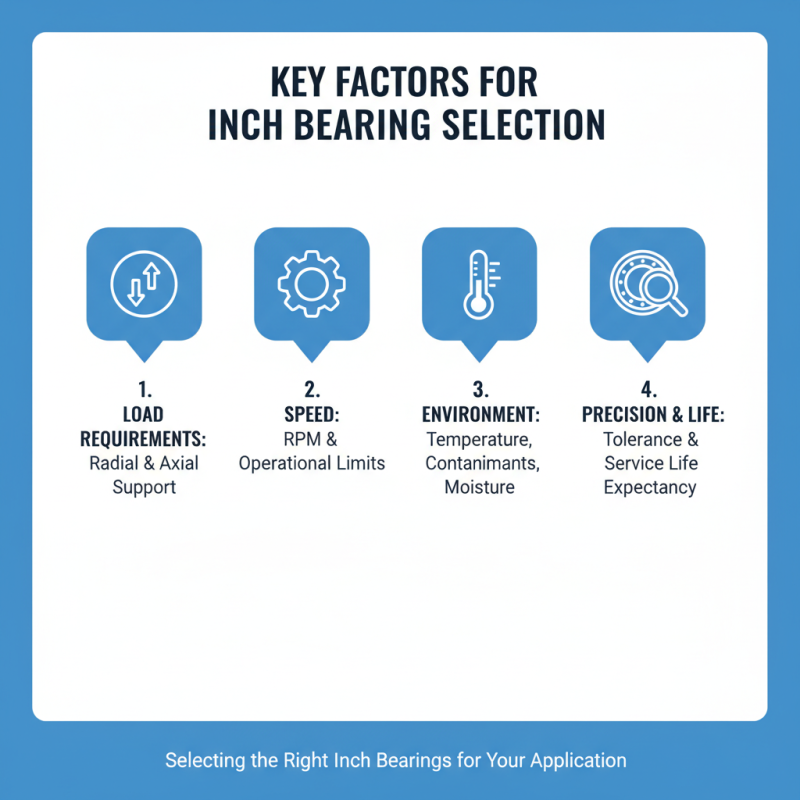
Inch Bearings come in various sizes and designs, each suited for different applications. You may face challenges when selecting the appropriate type. Factors to consider include load capacity, speed requirements, and environmental conditions. It's easy to overlook these aspects, but they influence the longevity and efficiency of your bearings.
Sometimes, even well-informed choices can lead to unexpected issues. Miscalculating your needs may result in frequent replacements or machine failure. Therefore, it's critical to invest time in research. Engaging with experts or consulting reliable resources can aid in making informed decisions. Balancing complexity and simplicity is the key to finding the perfect Inch Bearing for your unique requirements.
Understanding Different Types of Inch Bearings Available in the Market
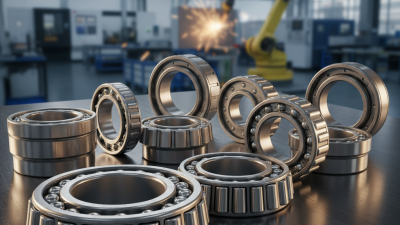
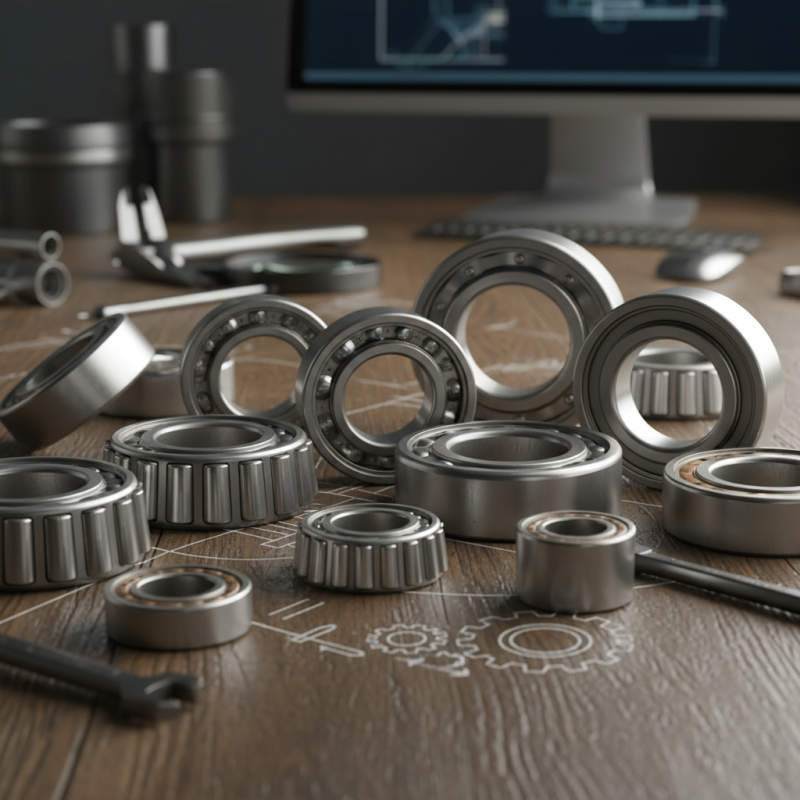
Choosing the right inch bearings involves understanding the various types available. Different applications may require specific bearing types to optimize performance. The most common varieties include ball bearings, roller bearings, and thrust bearings. Each type offers unique advantages and disadvantages depending on load capacity and speed.
Ball bearings are versatile and can handle both radial and axial loads. They are commonly used in household appliances and machinery. Roller bearings, on the other hand, provide a larger surface area and can support heavy loads more efficiently. They are ideal for applications like automotive or industrial machinery. Thrust bearings help manage axial loads and are essential in applications demanding precise control.
Tips: When selecting bearings, consider the load type and speed requirements. Evaluate if you need a sealed or unsealed bearing based on the working environment. If you're unsure, consulting with a specialist can save time and ensure better results.
Be mindful that not all bearings are suitable for every application. This can lead to premature wear or failure. It's important to assess the specific demands of your operation to avoid costly mistakes. Remember, understanding the differences lets you make better, informed choices.
Assessing Load Ratings and Performance Characteristics of Inch Bearings
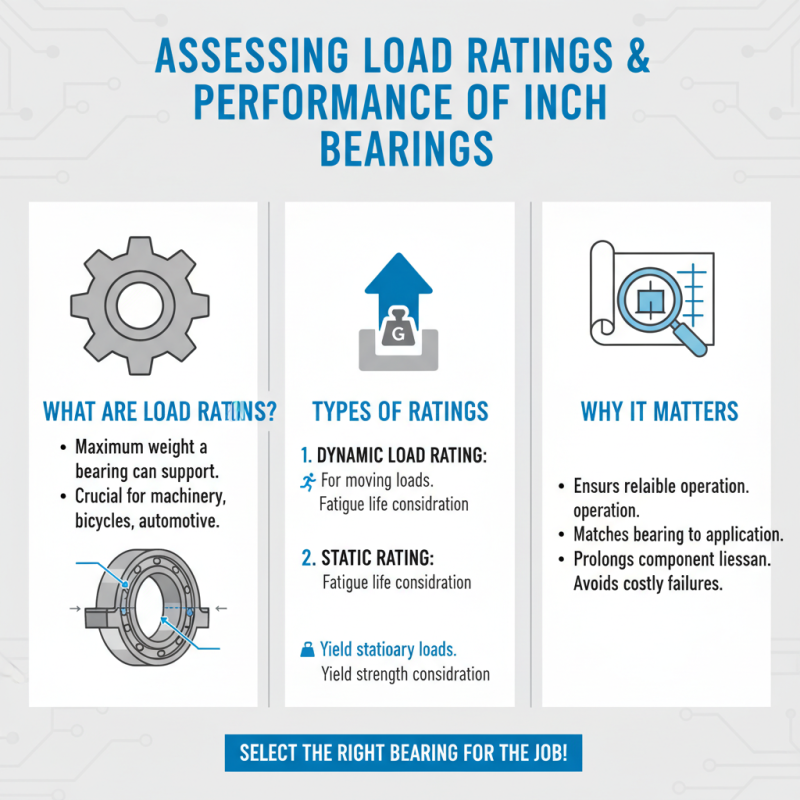
When selecting inch bearings, assessing load ratings is crucial. Load ratings indicate the maximum weight bearings can support without failure. This is vital for applications like machinery, bicycles, or automotive components. Each bearing type has a unique load capacity, listed in both dynamic and static ratings. Understanding these terms helps determine suitability for specific jobs.
Performance characteristics also matter. Factors like speed, temperature, and environmental conditions can impact bearing lifespan. Some bearings perform better under high speeds, while others excel in harsh conditions or high temperatures. Evaluating these features ensures optimal performance. It’s worth noting that even small differences can lead to significant failures or inefficiencies.
Choosing the right bearing requires careful consideration. Reflect on the specific needs of your project. Don’t overlook the importance of proper installation and maintenance. Bearing failures can often stem from improper handling or maintenance routines. A thoughtful approach to these factors can prevent costly mistakes.
Reviewing Material and Environmental Considerations for Inch Bearings
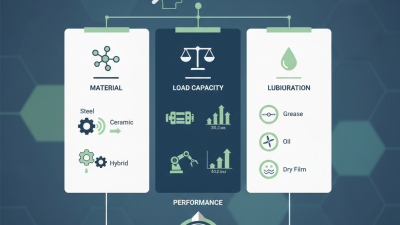
When selecting inch bearings, understanding material considerations is vital. Various materials affect durability and performance. Steel bearings are strong and widely used but may rust without proper maintenance. Stainless steel offers corrosion resistance, making it ideal for damp environments. Polymer bearings, on the other hand, are lightweight and can handle specific applications where traditional metals fail.
Environmental factors also play a crucial role. Temperature extremes can hinder bearing performance. A bearing designed for high heat may falter in cold conditions. Consider the operating environment carefully. Dust, moisture, and chemicals can degrade materials. Always evaluate where and how the bearing operates.
Tips: Ensure proper seals are used to protect bearings from unwanted contaminants. Regular maintenance can extend the bearing lifespan and ensure consistent performance. Assess your specific needs; one material won't suit every situation. Adapting your choice to the environment can prevent future problems.
Material Considerations for Inch Bearings
Installation and Maintenance Tips for Ensuring Longevity of Inch Bearings
Proper installation and maintenance of inch bearings are vital for their longevity. According to industry reports, poorly installed bearings can lead to a failure rate as high as 30% within the first year. This statistic emphasizes how crucial it is to follow best practices during installation. Ensure that the mounting surface is clean and free of contaminants. Misalignment during installation can cause uneven wear and premature failure. Using proper tools and techniques is essential to guarantee a secure fit.
Regular maintenance is key to maximizing the lifespan of inch bearings. Experts recommend inspecting bearings at least every six months. Look for signs of wear, such as unusual noises or excessive heat. Lubrication is another critical aspect. Over-lubricating can be just as problematic as under-lubricating. Studies show that maintaining the correct grease amount can enhance the operational life of the bearings by up to 50%. Implementing a routine check can prevent small issues from escalating.
It's important to reflect on your current processes. Are the installation techniques yielding the desired results? Is maintenance being performed consistently? Consider conducting a review to identify areas for improvement. Enhancing these practices can help avoid unexpected failures and costly downtimes.
How to Choose the Right Inch Bearings for Your Needs? - Installation and Maintenance Tips for Ensuring Longevity of Inch Bearings
| Bearing Type |
Inner Diameter (inches) |
Outer Diameter (inches) |
Width (inches) |
Load Capacity (lbs) |
Speed Rating (RPM) |
Maintenance Tips |
| Ball Bearing |
1.000 |
2.000 |
0.500 |
1000 |
5000 |
Regular lubrication and inspection. |
| Roller Bearing |
1.250 |
2.500 |
0.750 |
1200 |
3000 |
Ensure alignment and check for wear. |
| Thrust Bearing |
1.500 |
3.000 |
1.000 |
1500 |
2000 |
Lubricate frequently and avoid interruptions. |
| Pitch Bearing |
1.750 |
2.500 |
0.500 |
900 |
4500 |
Inspect for dirt and damage regularly. |