How to Choose the Right Linqing Bearing for Your Business Needs?
Choosing the right Linqing Bearing for your business needs requires careful consideration. Renowned expert Dr. Zhang Wei, a leading figure in the bearing industry, once stated, “Selecting quality bearings can significantly enhance operational efficiency.” This emphasizes the importance of making informed decisions.
Linqing Bearings are essential components in various machinery and applications. Their performance directly influences productivity. However, many businesses struggle to identify the best options for their specific requirements. Understanding the different types, materials, and specifications can be overwhelming.
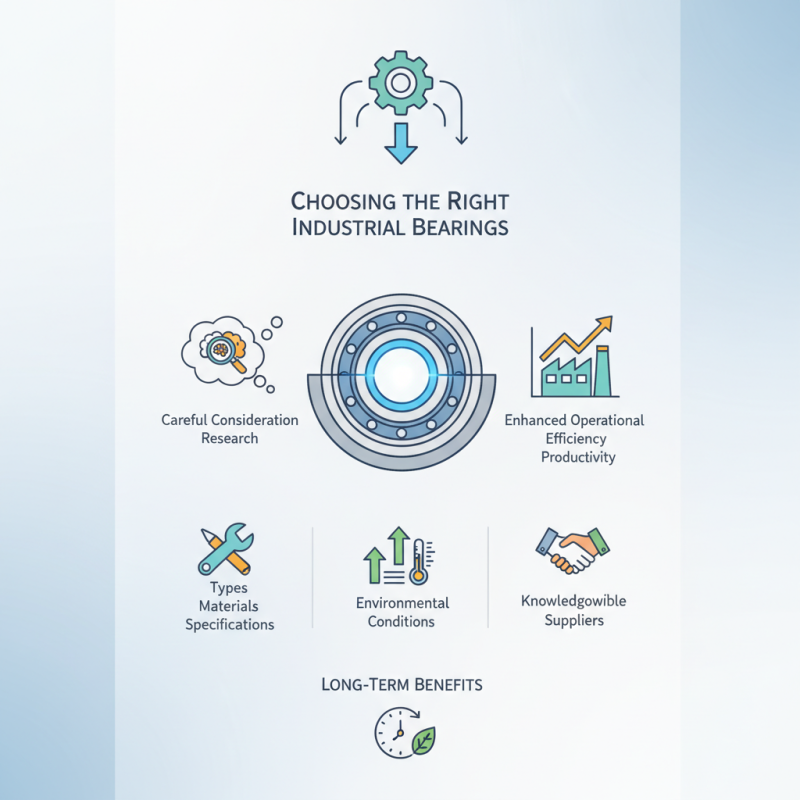
Moreover, businesses must think about factors such as load capacity and environmental conditions. Every choice can either lead to durability or early failures. Some vendors overpromise but underdeliver. Hence, performing thorough research is crucial. Partnering with knowledgeable suppliers helps bridge gaps in expertise. Investing time upfront can yield long-term benefits.
Understanding the Basics of Linqing Bearings and Their Applications
Linqing bearings are critical components in various industries. They enhance operational efficiency and reduce wear in machinery. Understanding their types and applications can significantly impact business productivity.
For example, according to the Global Bearing Market Report, the demand for deep groove ball bearings accounts for approximately 40% of the entire bearing market. These bearings are favored for their versatility and ability to handle radial and axial loads. Moreover, cylindrical roller bearings are gaining traction, especially in heavy machinery, as they can bear significant loads with reduced friction.
Different sectors utilize Linqing bearings in unique ways. The automotive industry relies heavily on precision ball bearings for improved vehicle performance. Meanwhile, the aerospace sector demands ultra-reliable bearings due to stringent safety standards. In contrast, some manufacturers overlook the importance of selecting suitable bearings, leading to equipment failures and costly downtime. It's essential to analyze specific business needs and choose bearings that fit operational requirements.
Types of Linqing Bearings and Their Applications
Identifying Your Business Requirements for Bearing Selection
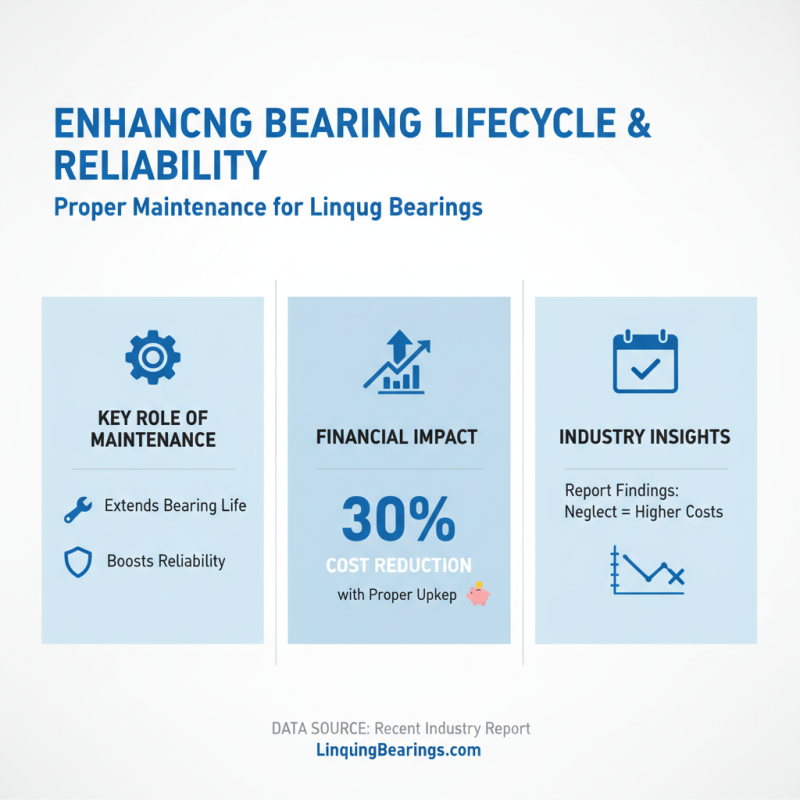
Choosing the right bearing for your business can greatly impact operational efficiency. Understanding your specific requirements is essential. Consider conditions such as load, speed, and environmental factors. A 2022 industry report highlighted that improper bearing selection increased maintenance costs by 30%. This emphasizes the need for precise criteria during selection.
Another critical aspect is material choice. Different materials, like steel or ceramic, offer varied performance. For instance, ceramic bearings tend to perform well in high-temperature environments. However, they can be more brittle than metal options, leading to potential failures. A careful assessment of your working conditions will guide you in making informed decisions.
Lastly, do not overlook the importance of supplier reliability. A reliable supplier can provide valuable insights into product performance. According to a recent survey, 45% of businesses experienced delays due to unreliable supply chains. This statistic underscores the necessity of partnering with trustworthy entities. It's crucial to evaluate your bearer's supplier, ensuring they align with your needs for consistent quality and timely delivery.
Evaluating Different Types of Linqing Bearings Available in the Market
When evaluating different types of Linqing bearings available in the market, it’s essential to consider several factors. Each type serves a specific purpose and has unique features. Common types include deep groove ball bearings, cylindrical roller bearings, and angular contact bearings. Understanding their differences can help you make an informed decision.
Choosing the right type involves assessing your operational requirements. Consider the load capacity, speed, and environment in which the bearings will operate. For example, deep groove ball bearings are versatile and great for moderate loads. However, they may not perform well in high-speed applications.
Tips: Always consult a technical specialist if you're unsure. An expert can provide insights tailored to your specific circumstances. Selecting the wrong bearing can lead to inefficiencies or increased wear. Additionally, review technical specifications carefully before purchase.
Don't overlook the importance of lubrication in bearing performance. The right lubricant keeps bearings functioning correctly. A lack of proper lubrication can cause premature failure.
Remember, trial and error is a part of the selection process. Testing different types can reveal the best fit for your business needs. Reflect on past experiences to make better choices.
Considering Quality, Price, and Supplier Reputation When Choosing Bearings
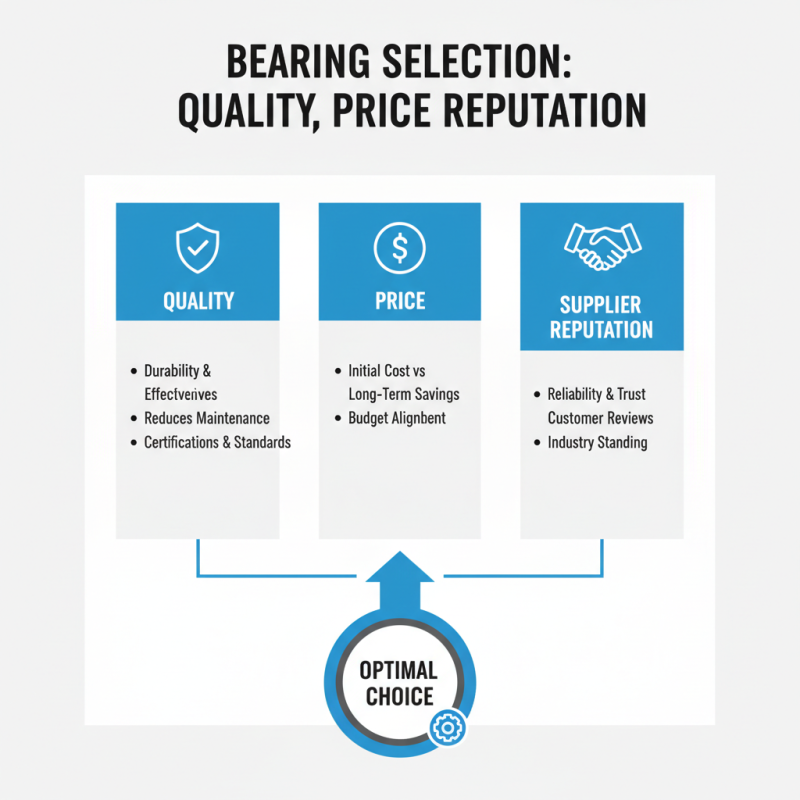
When selecting a linqing bearing for your business, three factors are crucial: quality, price, and supplier reputation. Quality ensures durability and effectiveness. High-quality bearings reduce maintenance costs in the long run. To assess quality, look for certifications and industry standards. These indicators reflect a manufacturer's commitment to excellence.
Price is always a consideration. However, the cheapest option may not offer the best value. It's essential to balance cost with quality. A lower-priced bearing could lead to higher expenses over time if it fails prematurely. A thorough cost analysis can help you avoid unnecessary expenditures. Remember, investing in quality often pays off.
Supplier reputation is equally important. A reliable supplier is a partner in your success. They should have a history of delivering quality products and excellent customer service. Research reviews and testimonials. Don’t hesitate to ask for references. Suppliers with a strong reputation are more likely to stand by their products. Choosing a supplier is a step towards building a trustworthy supply chain. It requires careful consideration and ongoing evaluation.