2026 How to Choose the Right Large Bearing for Your Needs?
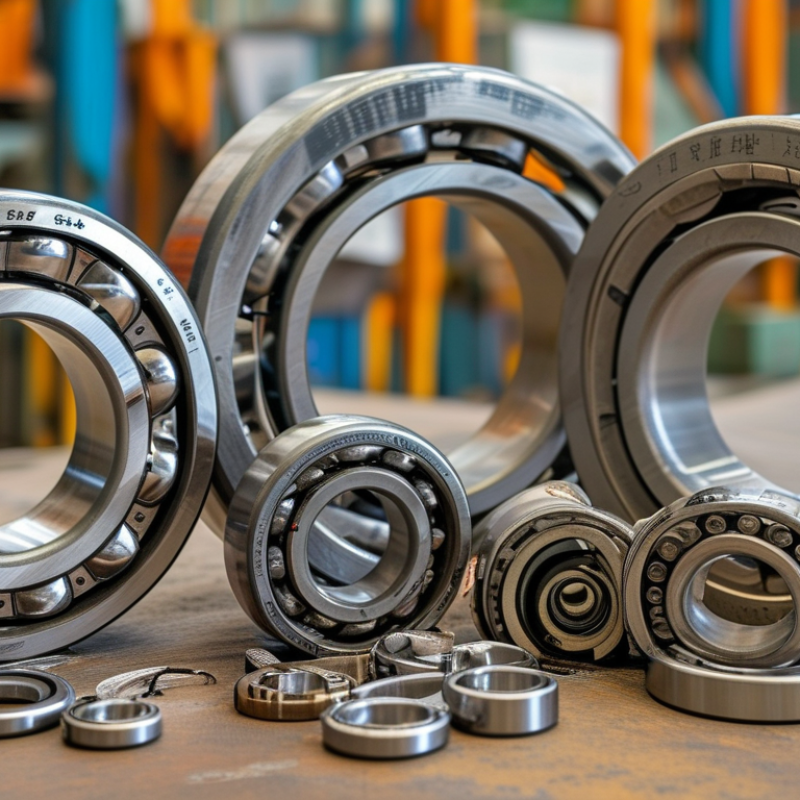
Choosing the right large bearing is crucial for various industries. A large bearing must meet specific requirements for optimal performance. Understanding your needs is the first step.
Consider the application for which you require a large bearing. Factors such as load capacity, speed, and environment play a significant role. Different scenarios demand different designs. For instance, a bearing used in heavy machinery may not work in a high-speed application.
Quality matters. Look for reputable manufacturers with a proven track record. Check compliance with industry standards for reliability. However, even trusted brands might have variations in their products. Always consult with experts when unsure. They can help refine your choices and avoid potential pitfalls.
Understanding the Different Types of Large Bearings Available
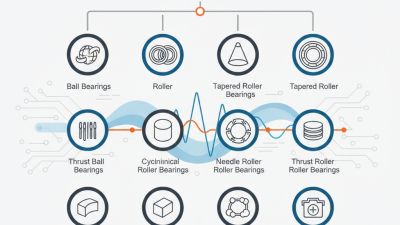
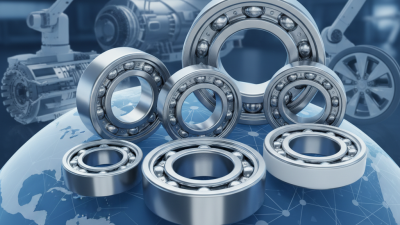
When it comes to large bearings, understanding the different types is crucial for informed decisions. Large bearings play a vital role in various industrial applications. They support heavy loads while ensuring smooth operations. Here are some common types of large bearings: roller bearings, ball bearings, and plain bearings. Each type has its own unique characteristics and appropriate use cases.
Roller bearings are excellent for radial loads. They offer lower friction and improved load capacity. Ball bearings, on the other hand, are versatile and can handle both radial and axial loads. Plain bearings are simpler in design and mainly used in low-speed applications. It's essential to consider the specific conditions in which these bearings operate, like temperature and load variations.
Choosing the right large bearing isn't always straightforward. Factors such as environment, lubrication needs, and maintenance schedules also come into play. Many users may overlook these details, leading to premature failures or inefficiencies. Assessing these factors can be daunting, but it's necessary for optimal performance. Understanding your needs is key to making better choices in large bearings.
Key Factors to Consider When Selecting a Large Bearing
When choosing a large bearing, several key factors come into play. Load capacity is crucial. Consider how much weight the bearing must support. Overloading can lead to premature failure. Understanding your application's load type is important too. Is it static or dynamic? This impacts your selection.
Another important factor is the operating environment. Bearings must function in various conditions. High temperatures or corrosive environments can affect longevity. Material selection becomes critical here. Some materials resist wear better than others. It’s worth researching options thoroughly.
Lastly, consider lubrication methods. Proper lubrication reduces friction and heat. Do you need a sealed or open bearing? Sometimes, the choice may impact maintenance procedures. Reflecting on these details ensures a well-informed decision. A thorough examination of your needs can lead to improved performance and increased efficiency.
How Load Capacity Influences Your Bearing Choice
When selecting a large bearing, understanding load capacity is crucial. Load capacity determines how much weight a bearing can handle. This directly influences the selection process, ensuring that the bearing can support the intended application effectively.
It's important to consider the dynamic and static load ratings. Dynamic load ratings indicate the bearing's ability to withstand moving loads, while static load ratings refer to loads when stationary. Evaluating these ratings properly will prevent premature failure and enhance performance in critical applications.
**Tips:** Always assess the operational environment. Factors like temperature and moisture affect load capacity. Choose materials that suit these conditions. Understand that your application may change over time. Revisiting load requirements regularly can help maintain efficiency.
Incorporating this knowledge will refine your choices. A bearing that matches your specific load needs ensures reliability. However, assessing your requirements can be challenging. Miscalculations might lead to equipment failures, resulting in costly downtime. Therefore, thorough analysis is necessary for long-term success.
2026 How to Choose the Right Large Bearing for Your Needs? - How Load Capacity Influences Your Bearing Choice
| Bearing Type |
Load Capacity (kN) |
Inner Diameter (mm) |
Outer Diameter (mm) |
Width (mm) |
Weight (kg) |
| Spherical Roller Bearing |
1200 |
50 |
100 |
30 |
15.0 |
| Tapered Roller Bearing |
1000 |
40 |
80 |
25 |
10.0 |
| Cylindrical Roller Bearing |
800 |
45 |
85 |
20 |
8.5 |
| Deep Groove Ball Bearing |
600 |
30 |
70 |
15 |
5.0 |
| Angular Contact Ball Bearing |
750 |
35 |
75 |
10 |
4.5 |
Material Selection for Durability and Performance of Bearings
When selecting the right large bearing, material choice plays a crucial role. Bearings can be made from various materials, including metals, ceramics, and polymers. Each material has distinct characteristics that affect performance and durability. For example, steel bearings are known for their strength, while ceramic bearings offer excellent corrosion resistance.
It’s essential to consider the working environment when choosing materials. If the bearing will be exposed to high temperatures or harsh chemicals, a high-performance alloy may be necessary. In contrast, applications with minimal loads could benefit from lighter materials like plastics.
**Tips:** Conduct thorough research on material properties. Consult industry experts for specific applications. Test different materials to see which performs best in your situation. This hands-on approach often reveals insights that theoretical knowledge cannot provide. Remember that the right material can prevent premature failure, saving time and resources in the long run.
Material Selection for Durability and Performance of Bearings
Maintenance Tips for Ensuring Longevity of Large Bearings
Maintaining large bearings is crucial for their longevity and optimal performance. Proper lubrication is essential. It reduces friction and wear. Regular checks should be part of your maintenance routine. If a bearing operates in a harsh environment, enhance your inspection frequency. Dirt accumulation can lead to premature failure.
Temperature control matters too. High temps can alter lubrication properties. It may also weaken bearing materials. Consider using thermal monitoring devices. They can provide real-time data. Early detection of temperature spikes can prevent costly breakdowns.
Moreover, be attentive to vibration patterns. Abnormal vibrations often indicate underlying issues. Regularly assess the alignment of your machinery. Misalignment can cause excessive stress on bearings. After all, preventive measures are far better than reactive ones. Understanding these maintenance tips establishes a reliable system for your large bearings.