How to Choose High Precision Bearings for Global Sourcing?
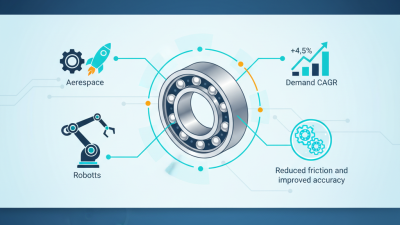
When selecting high precision bearings for global sourcing, it is essential to understand their significance in various applications. High precision bearings are crucial for industries like aerospace, automotive, and robotics. They ensure smooth operation and minimize wear.
Choosing the right high precision bearing requires careful evaluation. Factors such as load capacity, speed rating, and material composition play critical roles. It's not just about price; quality should never be compromised. Always consider the long-term implications of your choice.
There may be challenges along the way. Sometimes suppliers may not meet expectations, leading to unexpected downtime. Quality control mechanisms are crucial. Regular audits and partnerships with reliable manufacturers can help ensure consistent performance. Understanding this process is key to successful global sourcing.
Understanding the Importance of High Precision Bearings in Industry
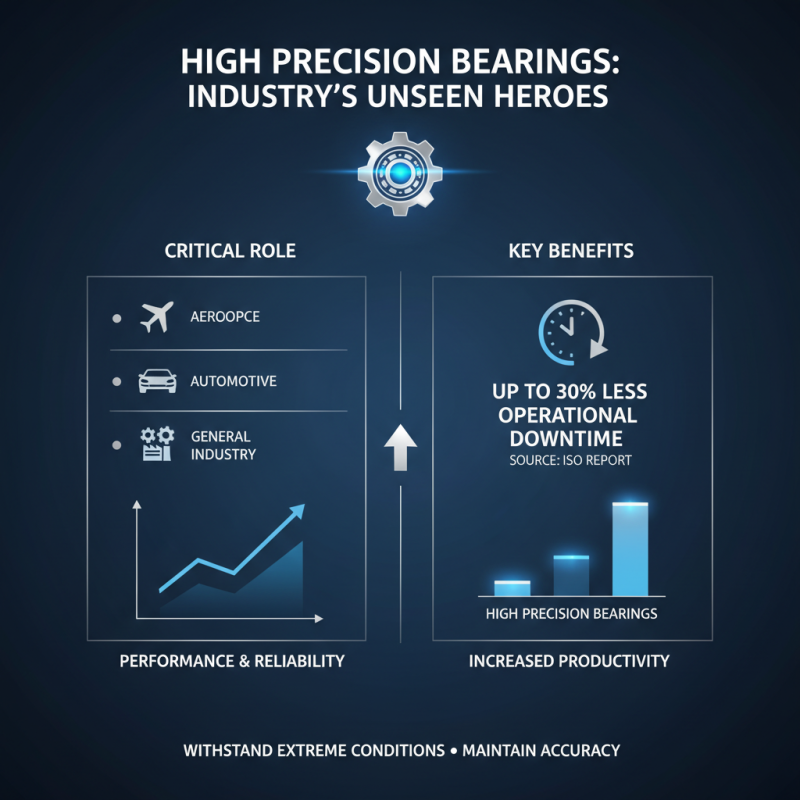
High precision bearings play a critical role across various industries, influencing performance and reliability. According to a report by the International Organization for Standardization, high precision bearings can reduce operational downtime by up to 30%. This reduction significantly impacts productivity, especially in sectors like aerospace and automotive. These industries rely on bearings that can withstand extreme conditions while maintaining accuracy.
In the manufacturing sector, implementing high precision bearings can lead to better energy efficiency. The Energy Efficiency Improvement Report suggests that using these bearings can enhance energy savings by approximately 10-15%. This statistic emphasizes the importance of investing in quality components. However, many companies overlook these benefits, often opting for lower-cost alternatives. This choice can result in higher long-term costs due to maintenance and replacement needs.
Maintaining quality is challenging in global sourcing. Companies must ensure that their suppliers meet stringent quality standards. Not all manufacturers are created equal; many do not adhere to the same guidelines. Without thorough vetting, organizations risk choosing unreliable components. This can lead to inconsistencies and product failures, which can damage reputation and finances. It's essential to balance cost and quality when selecting high precision bearings for any application.
Key Factors to Consider in Bearing Selection Process
When selecting high precision bearings for global sourcing, several key factors must be examined. The operational environment is crucial. Bearings might operate under extreme temperatures, hostile environments, or high speeds. According to industry reports, 50% of bearing failures stem from inappropriate environmental conditions. This information highlights the need for careful assessment.
Material selection is another important aspect. High-quality materials can significantly enhance lifespan and reliability. For example, stainless steel and ceramics are commonly used in high-performance applications. Research indicates that using advanced materials can increase the bearing life by up to 20%. Additionally, consider load capacity and type of loading—whether it is static or dynamic. Accurate calculations help to prevent premature failures.
Tolerance levels increase precision significantly. Bearings with tighter tolerances may reduce friction and wear. However, these come at a higher cost. Balancing precision with budget constraints often requires critical evaluation. Specifications must align with application needs. It is not uncommon for engineers to overlook these nuances, and this oversight can lead to suboptimal selections.
High Precision Bearings Selection Criteria
| Criteria |
Details |
Importance Level |
| Load Capacity |
Determine static and dynamic load ratings. |
High |
| Precision Class |
Select based on application tolerance requirements. |
Very High |
| Material |
Consider materials like steel, ceramic based on environment. |
Medium |
| Rotational Speed |
Assess maximum RPM vs. application requirements. |
High |
| Temperature Range |
Ensure bearing's heat tolerance aligns with the application. |
Medium |
| Lubrication Type |
Select between grease, oil, or sealed options. |
Medium |
| Cost |
Evaluate budget against desired specifications. |
High |
Evaluating Manufacturer Credentials and Quality Standards
When sourcing high precision bearings, evaluating manufacturer credentials and quality standards is crucial. Start by assessing the manufacturer's experience in the industry. A company with extensive knowledge demonstrates reliability and competency. Look for certifications that illustrate adherence to international standards, like ISO or DIN, which ensure product quality and performance.
Tips: Always request documentation for certifications. Verify their authenticity to avoid potential issues.
Next, examine the quality control processes in place. Manufacturers should implement rigorous tests during production. This includes checking materials and dimensional accuracy. Inquire about their manufacturing practices to understand their commitment to quality. A transparent process reflects a company's dedication to producing reliable bearings.
Tips: Visit the manufacturer if possible. A factory tour provides insight into their operations and quality measures.
Consider collecting feedback from other customers. References and case studies can reveal real-world performance. This can help assess a manufacturer's reputation and trustworthiness. It is important to make informed decisions based on collective experiences.
Analyzing Material Compatibility for High Precision Bearings
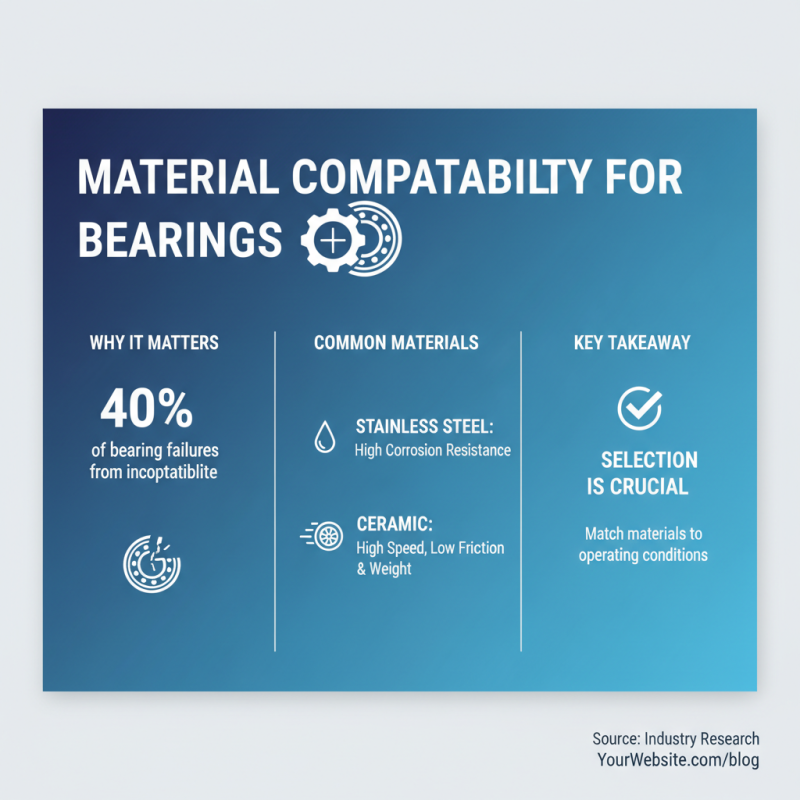
When selecting high precision bearings, material compatibility is essential. Different applications require specific materials to withstand unique operating conditions. For example, stainless steel is commonly used for high corrosion resistance, while ceramic materials excel in high-speed applications due to their lower friction and weight. Research indicates that approximately 40% of bearing failures root from material incompatibility, underscoring the need for careful selection.
Compatibility also includes thermal properties. Some bearings operate at elevated temperatures, necessitating materials that maintain stability and performance under thermal stress. A study by the American Bearing Manufacturers Association reported that around 30% of precision bearings fail due to overheating. This highlights the importance of choosing materials with high thermal conductivity and resistance to thermal expansion.
Furthermore, surface finish impacts bearing performance. A smoother surface can reduce friction and wear, while a rough finish may lead to premature failure. Utilizing advanced manufacturing techniques can enhance surface quality, yet many manufacturers still face challenges in achieving optimal surface metrics. The investment in better finishing technologies may seem costly, but it ensures a longer bearing lifespan and improved performance.
Sourcing Strategies for Global Procurement of Bearings
When sourcing high precision bearings globally, having a clear strategy is essential. Start by identifying reliable suppliers with a proven track record in quality. Research potential partners thoroughly. Online reviews, industry publications, and feedback from previous customers can provide valuable insight.
Tips: Always ask for documented quality standards. This can include certifications like ISO or CE. Verify if they maintain consistent quality checks. Don’t hesitate to request samples before placing bulk orders. This helps assess the actual product quality.
Navigating language barriers can be a challenge. Ensure that communication with suppliers is clear and precise. Misunderstandings can lead to costly errors. Be cautious of overly aggressive pricing; it may indicate compromises in quality. Consider building a relationship with your supplier. This can lead to better service and reliability in the long run.
Tips: Create a checklist for evaluating potential suppliers. This can help you stay organized. Regularly revisit your criteria as your business needs evolve. Keeping an open line of communication fosters trust and transparency, which are vital for successful global sourcing.