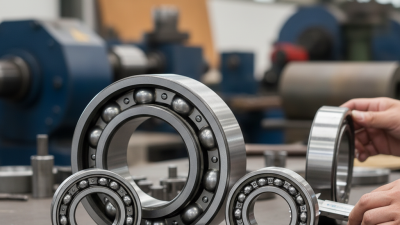
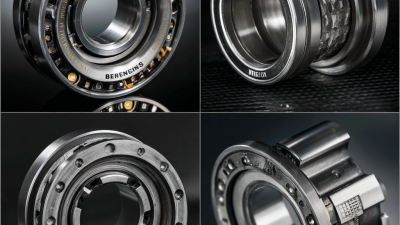
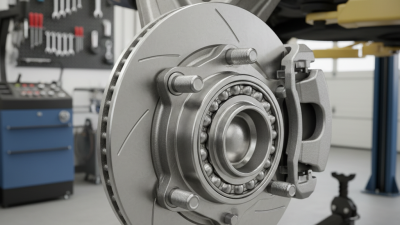
Top 10 China Bearing Factory Suppliers for Global Buyers?
The global bearing market is projected to reach $100 billion by 2025, highlighting its significance in various industries. China has emerged as a major player in this sector, housing numerous highly-rated China bearing factory suppliers. These factories not only produce bearings but also contribute to technological advancements.
Quality and reliability define the best suppliers in China. Many factories focus on precision engineering and strict quality control measures. However, challenges remain in achieving consistent international standards. Miscommunication and varying regulations can lead to issues that impact shipments and product quality.
Choosing the right China bearing factory requires careful consideration. Buyers must evaluate not only production capabilities but also commitment to innovation and sustainability. Reports indicate that investing in long-term partnerships can lead to a more reliable supply chain. This perspective encourages a deeper look into the top suppliers and their offerings.
Overview of the Bearing Industry in China
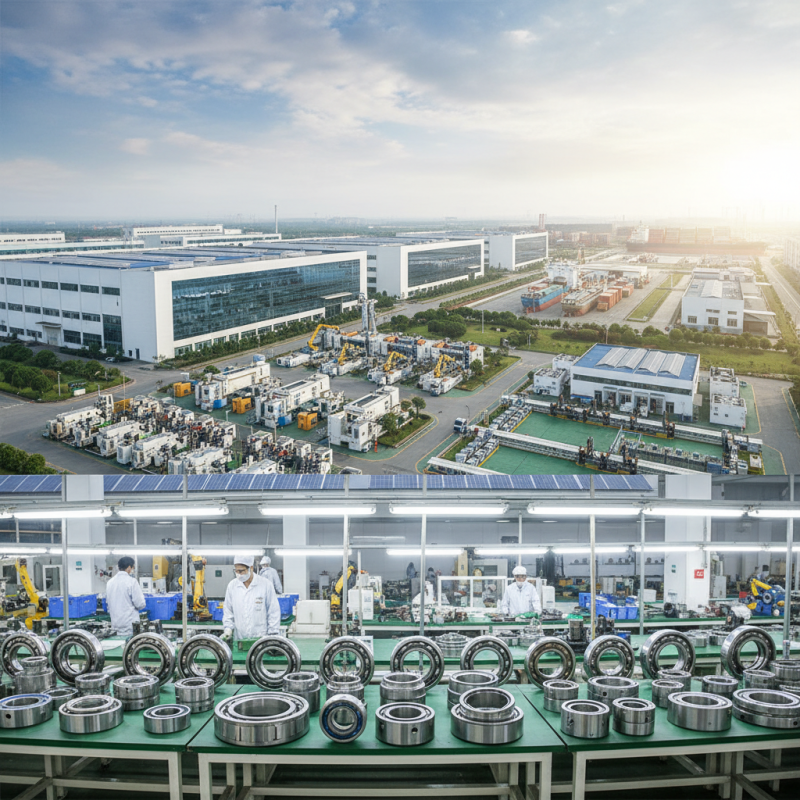
The bearing industry in China has experienced significant growth over the past few years. In 2022, the market size reached approximately $50 billion. This growth is driven by the rising demand in automotive, aerospace, and industrial machinery sectors. Industry reports indicate that China contributes around 39% of the global bearing production. This dominance reflects the country's extensive manufacturing capabilities.
However, challenges exist within the industry. Quality control and technological advancements remain key concerns. While many factories produce bearings at competitive prices, inconsistencies in quality can lead to performance issues. Additionally, the rapid growth has led to a saturated market. More than 30% of bearing manufacturers may face operational difficulties. Firms must focus on innovation and compliance to maintain reliability and market presence.
Furthermore, the global market is shifting towards sustainability. There’s an increasing emphasis on eco-friendly practices in manufacturing. Some Chinese suppliers are investing in greener technologies. Yet, many still rely on traditional methods. This gap presents opportunities for improvement. Adapting to these changes could enhance both competitiveness and trust among international buyers.
Key Factors Driving China's Bearing Manufacturing Growth
China's bearing manufacturing sector is experiencing significant growth. Several factors contribute to this upward trajectory. First, the demand for high-quality bearings is on the rise globally. Industries such as automotive, aerospace, and renewable energy rely heavily on efficient components. This increased demand drives factories to enhance production capabilities.
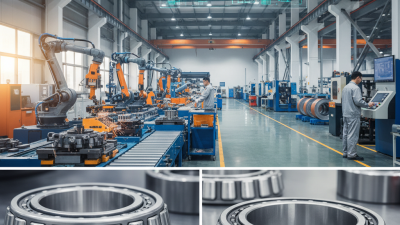
Moreover, advancements in technology play a crucial role. Many factories are adopting automated systems. Automation improves precision and reduces labor costs. However, not all factories fully embrace these technologies. Some still rely on outdated methods. This can lead to inefficiencies and inconsistent product quality.
Another factor is the skilled workforce in China. Skilled workers contribute significantly to the industry's innovation and production quality. Nevertheless, there are challenges. Retaining talent can be difficult as many seek opportunities abroad. These challenges remind factory owners of the need for continuous improvement. Balancing modernization and skilled labor is essential for sustainability.
Top 10 China Bearing Factories: An In-Depth Analysis
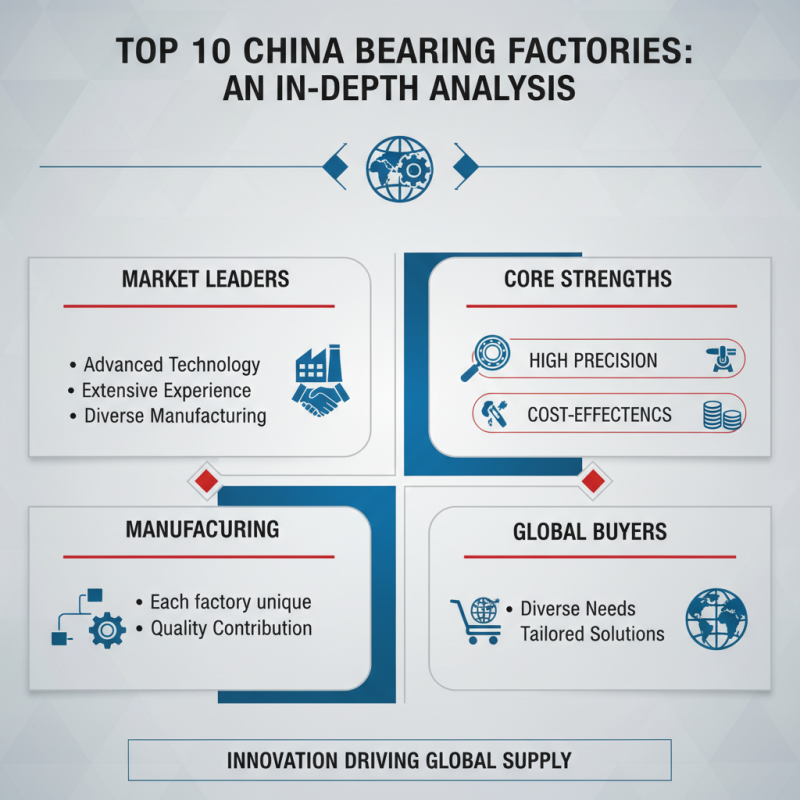
When exploring the landscape of China's bearing industry, it's essential to recognize key factories that lead the market. These factories boast advanced technology and extensive experience. Each possesses a distinct manufacturing process, contributing to the overall quality of their products. Some focus on high precision while others emphasize cost-effectiveness. This variety serves global buyers with diverse needs.
Additionally, reliability is pivotal in this sector. Many suppliers have built strong reputations over years. However, not all factories meet the same standards. Buyers should conduct thorough assessments to ensure a factory's capabilities align with their requirements. Despite the technological strengths, occasional discrepancies in quality can arise, highlighting the importance of ongoing quality control.
Understanding the global market for bearings can be complex. Knowing which suppliers excel in specific areas helps streamline sourcing. Factors like delivery times, customer service, and technical support also factor into the buyer's experience. With careful consideration, global buyers can navigate this intricate landscape successfully.
Comparative Evaluation of Leading Chinese Bearing Suppliers
When evaluating leading Chinese bearing suppliers, the diversity in product offerings and technological advancements stands out. Reports indicate that the global bearing market is expected to reach approximately $100 billion by 2025, driven by increased demand in automotive and industrial sectors. Chinese manufacturers play a crucial role in this growth, exporting a significant share of bearings worldwide.
Several factors contribute to the comparative evaluation of these suppliers. Price competitiveness remains a strong advantage, with many factories offering lower costs due to economies of scale. However, this begs the question of quality.
While some manufacturers excel in producing high-volume, low-cost products, others prioritize innovation and advanced technologies. This variance can lead to mixed perceptions about reliability and performance in the long run.
Market analysts emphasize the need for buyers to consider certifications and testing methods when selecting suppliers. Although price is a key consideration, it should not overshadow product durability and precision. The use of standardized metrics for evaluating performance remains inconsistent across manufacturers, which complicates choices for global buyers.
Ultimately, understanding these dynamics is essential for making informed decisions in the global marketplace.
Future Trends in China's Bearing Supply Market
The bearing supply market in China is evolving rapidly. According to a recent report by Research and Markets, the global bearing market is projected to reach $196 billion by 2025. This growth is significantly influenced by emerging technologies and increased demand in various sectors such as automotive and renewable energy. Chinese factories are adapting to these changes by implementing advanced manufacturing techniques.
The rise of automation and smart manufacturing is transforming traditional bearing production. Many factories are investing in robotics and AI to enhance efficiency. As a result, production costs may decrease while quality improves. However, some manufacturers still face challenges in scalability and supply chain management. They need to be agile in responding to fluctuating global demand.
Sustainability also plays a critical role in shaping the future of the bearing industry. With stricter environmental regulations, companies are exploring eco-friendly materials. The shift towards green practices is not just a trend but a necessity for long-term survival. Despite these advancements, there is a need for continuous innovation and adaptation to maintain competitiveness in the global market.