What are the Best Flange Bearings for Global Buyers?
Flange bearings play a crucial role in various industries, ensuring smooth operation of machinery. According to a recent market analysis by ResearchAndMarkets, the global bearing market is projected to reach $140 billion by 2025. This growth signals a rising demand for high-quality flange bearings, known for their durability and ease of installation.
Choosing the right flange bearing can be challenging. Factors such as load capacity, lubrication, and environmental conditions impact performance. A report from MarketWatch indicates that the automotive sector alone accounts for over 30% of bearing demand. As global manufacturing evolves, the reliance on efficient flange bearing systems grows stronger.
However, not all flange bearings meet industry standards. Some products fail under extreme conditions, highlighting the need for thorough evaluation. Buyers must prioritize suppliers with proven track records to ensure reliability. Investing in quality flange bearings translates to enhanced productivity and reduced maintenance costs. The right choice can drive operational efficiency across diverse applications.
Overview of Flange Bearings and Their Applications
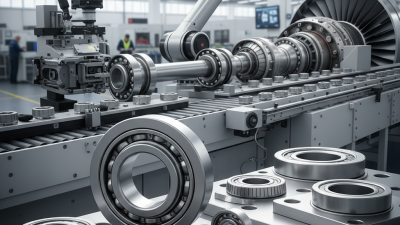
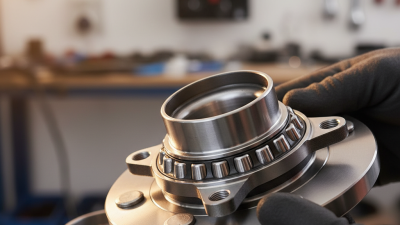
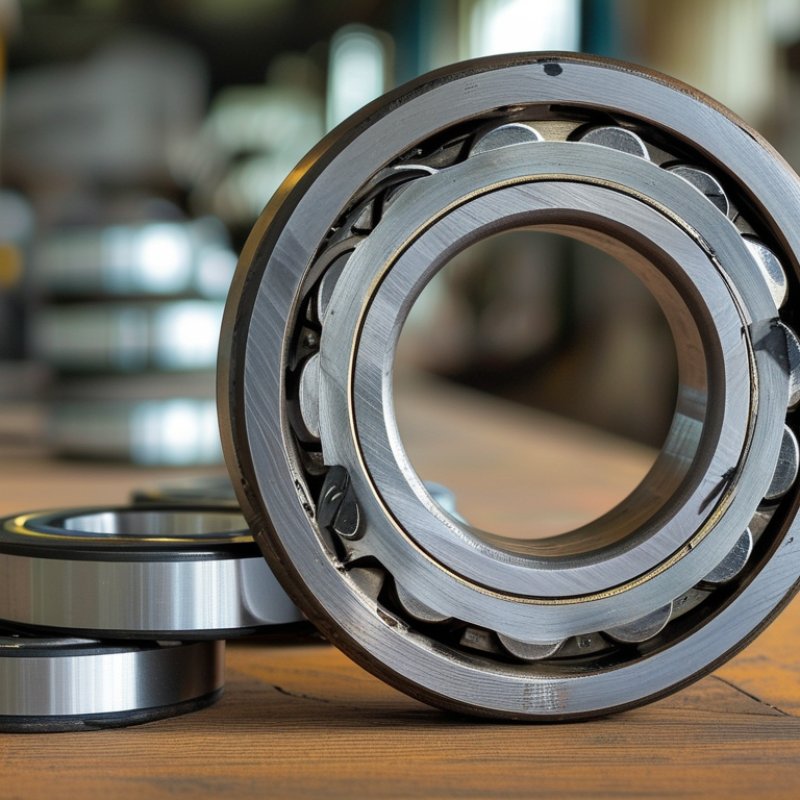
Flange bearings are crucial components in many applications. They feature an external flange that helps in easy installation and alignment. By minimizing friction, these bearings ensure smooth operation in various machinery. They are ideal for both high-load and low-speed settings. Common applications include automotive, industrial machinery, and conveyor systems.
These bearings can be made from materials like plastic or metal. Each material serves different needs based on load, speed, and environment. However, choosing the right flange bearing is not always straightforward. Users must consider several factors, including load capacity and environmental conditions. This can lead to mistakes if not carefully evaluated.
In many cases, improper selection can lead to premature failure. Flange bearings may also require regular maintenance to ensure longevity. It highlights the importance of being informed. Understanding the operational requirements and limitations of these bearings can prevent issues down the line. Engaging with experts can enhance decision-making, but only if the right questions are asked. Careful consideration is necessary for optimal performance.
Key Factors to Consider When Selecting Flange Bearings
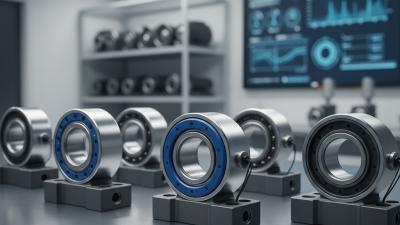
When selecting flange bearings, several key factors come into play. One must assess the material used in bearings. Common materials include steel, plastic, and composite. Each material has its benefits and weaknesses. Steel offers high durability but may rust. Plastic, while lighter, can wear out quickly under heavy loads.
Load capacity is another crucial aspect. Consider the application's specific weight and stress factors. A bearing that isn't rated for the load may fail prematurely. Also, pay attention to the bearing’s precision. Higher precision enhances performance but may come at a cost.
Lubrication also matters. Bearings need adequate lubrication to function well and extend their lifespan. Some might require regular maintenance, while others may be self-lubricating. Understanding these needs is essential. Lastly, environmental factors play a role. Bearings in corrosive environments will need special coatings or materials to resist damage. A reflection on all these factors is vital for making an informed choice.
What are the Best Flange Bearings for Global Buyers? - Key Factors to Consider When Selecting Flange Bearings
| Dimension - Inner Diameter (mm) |
Dimension - Outer Diameter (mm) |
Load Rating (kN) |
Max Speed (RPM) |
Material |
Sealing Type |
| 20 |
42 |
15.0 |
5000 |
Steel |
Sealed |
| 25 |
52 |
20.5 |
4500 |
Stainless Steel |
Open |
| 30 |
62 |
30.0 |
4000 |
Bronze |
Sealed |
| 40 |
72 |
50.0 |
3000 |
Plastic |
Open |
Top Manufacturers of Flange Bearings for Global Markets
Flange bearings play a crucial role in various industries, ensuring smooth and reliable operation of machinery. According to a recent industry report, the global flange bearing market was valued at over $3 billion in 2022 and is expected to grow at a CAGR of 6% through 2029. This illustrates the increasing demand from sectors such as automotive, aerospace, and manufacturing.
Top manufacturers in the flange bearing market focus on quality and innovation. They utilize advanced materials and design techniques to enhance performance. Many producers invest in research and development to meet evolving industry standards. This commitment to excellence helps ensure their offerings perform optimally under diverse operating conditions. However, inconsistencies in quality control processes remain a concern for some manufacturers.
Reliability in sourcing flange bearings is essential. Distributors often face challenges related to availability and compatibility. Buyers should conduct thorough research before selection. Understanding material nuances and application requirements can prevent costly errors. Reliable suppliers provide technical support and documentation to guide their clients through the selection process. This small investment in knowledge can lead to better operational efficiency.
Top Flange Bearing Types by Global Market Demand
Comparative Analysis of Material Types Used in Flange Bearings
Flange bearings play a crucial role in various machinery by facilitating smooth rotation and alignment. The choice of material significantly influences their performance and longevity. Common materials include steel, plastic, and bronze. Each offers unique benefits and drawbacks that impact usability across different applications.
Steel flange bearings provide strength and durability. They excel in high-load environments. However, they can be prone to corrosion if not treated properly. Plastic flange bearings, while lighter and resistant to certain chemicals, may wear down faster under heavy loads. Selecting the right material depends on the specific operational demands and environmental factors.
Bronze bearings offer a middle ground, combining strength with some resistance to wear. They are often used in applications that require a balance of durability and low-friction operation. Nonetheless, they can be more expensive and may not always deliver the same performance as steel in extreme conditions. Buyers must carefully evaluate their needs, considering both the advantages and potential limitations of each material type to ensure optimal performance in their specific applications.
Trends and Innovations in Flange Bearing Technology
Flange bearings play a vital role in various industries. Their design has evolved significantly, adapting to modern engineering needs. Current trends focus on enhancing durability and efficiency. Many manufacturers are now incorporating advanced materials that improve performance under extreme conditions. This innovation reduces wear and extends service life.
Additive manufacturing is another exciting trend. This technology allows for the creation of complex geometries that traditional methods cannot achieve. Such designs can enhance load distribution, making them suitable for heavy-duty applications. However, the shift to these technologies raises questions. Not all companies have the capabilities to adopt these advancements. Some smaller manufacturers may struggle with the initial costs and expertise required.
Environmental concerns also drive innovations in flange bearings. There is a push for materials that are both high-performing and sustainable. Alternative materials can lower the carbon footprint of production. However, finding the right balance between performance and sustainability remains challenging. Buyers must navigate these choices carefully, weighing immediate needs against long-term impacts. Thus, the evolution of flange bearing technology is a journey filled with opportunities and challenges.