Understanding the Benefits of Cylindrical Roller Bearing in 2026?
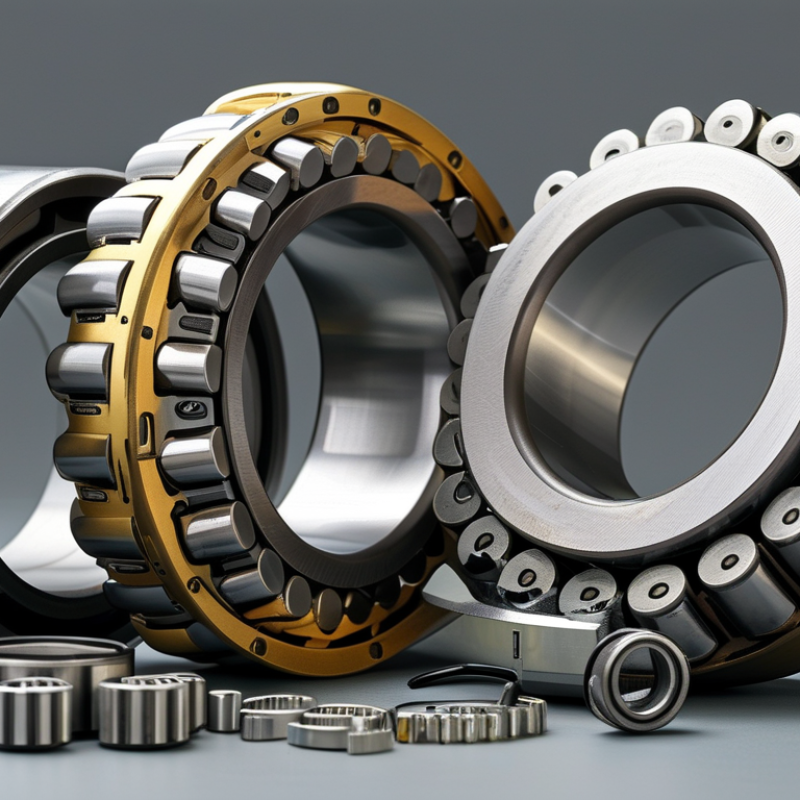
In 2026, the demand for efficient machinery is paramount. Cylindrical Roller Bearings play a crucial role in this evolution. These bearings are designed to support radial loads effectively. They enhance performance in various applications, from automotive to industrial machines.
Cylindrical Roller Bearings offer reduced friction, increasing efficiency. Their ability to carry heavy loads makes them essential in many settings. However, their reliability is influenced by proper installation and maintenance. Neglecting these factors may lead to premature failure.
Understanding these benefits can guide engineers and manufacturers in selecting the right components. Yet, awareness of limitations is equally important. This balance will pave the way for innovations in mechanical design and application efficiency. The future hinges on how well we utilize these bearings.
Benefits of Cylindrical Roller Bearings in Modern Machinery
Cylindrical roller bearings are essential in modern machinery, offering numerous benefits. They are designed to handle heavy radial loads while maintaining a compact size. This functionality makes them a preferred choice in industries like automotive and manufacturing. Their ability to accommodate high speeds adds to their versatility.
In many applications, reduced friction is crucial. Cylindrical roller bearings excel in this aspect, improving efficiency and performance. They use a unique design that minimizes contact area, leading to lower heat generation. However, improper installation can negate these benefits. Users should invest time in training and proper setup to avoid common pitfalls.
Another advantage is their durability. These bearings can withstand harsh conditions, making them reliable in various environments. However, users must be cautious of wear and tear. Regular maintenance is essential for maximizing lifespan. This focus on upkeep can sometimes be overlooked, yet neglecting it could lead to costly downtimes. Recognizing the importance of these bearings can significantly enhance machinery performance and longevity.
Key Advantages of Cylindrical Roller Bearings Over Other Types
Cylindrical roller bearings offer unique advantages in various applications. Their design allows them to handle heavy radial loads efficiently. This makes them ideal for industries like automotive, construction, and manufacturing. With fewer contact points, these bearings reduce friction effectively. This can enhance the efficiency of machinery and extend their lifespan.
One key benefit is their ability to accommodate misalignment. This feature is crucial in assemblies where components may not be perfectly aligned. It helps maintain performance and prevents premature wear. The high rigidity of cylindrical roller bearings also supports higher speeds, which is beneficial in high-performance engines. However, it's worth noting that improper installation can lead to issues, highlighting the need for expertise in application.
Another advantage is the wide range of sizes and designs available. This versatility allows for customization based on specific needs. Industries can select bearings that best fit their unique circumstances. Yet, the complexity of choosing the right type can be daunting. Users must consider their requirements carefully to avoid costly mistakes.
Impact of Design Innovations on Cylindrical Roller Bearings Performance
Cylindrical roller bearings are evolving rapidly. In 2026, design innovations are set to redefine their performance. According to the Global Bearing Market Report, the cylindrical roller bearing segment is anticipated to grow at a CAGR of 6.8% from 2021 to 2026. This growth highlights the importance of advancements in bearing technology.
Recent innovations include the use of advanced materials. For example, ceramic hybrids have shown improved wear resistance. They reduce friction and heat generation. This can lead to a longer lifespan for the bearings. Enhanced lubrication systems also play a crucial role. These systems can minimize contamination and optimize performance. Data from Bearing Specialists Association points out that improved lubrication can enhance efficiency by up to 15%.
Moreover, design modifications in roller geometry contribute to better load distribution. This results in reduced stress concentrations. However, these changes are not without challenges. Engineers must balance performance with manufacturability. As noted in several industry journals, the complexity of new designs can sometimes lead to production inconsistencies. While innovations promise better functionality, they also introduce potential pitfalls that require careful consideration.
Understanding the Benefits of Cylindrical Roller Bearing in 2026
| Feature |
Description |
Impact on Performance |
| Increased Load Capacity |
Advanced design enhances load distribution, allowing for higher radial loads. |
Improved overall equipment reliability and lifespan. |
| Reduced Friction |
Innovative materials and surface finishes lower friction during operation. |
Increases energy efficiency and minimizes heat generation. |
| Improved Operational Speeds |
Design enhancements allow for smoother and faster operation at higher speeds. |
Greater productivity and reduced cycle times in applications. |
| Enhanced Sealing Systems |
New sealing solutions reduce contaminants entering the bearing. |
Increases bearing life and minimizes maintenance intervals. |
| Application Versatility |
Adaptable designs make bearings suitable for various industrial applications. |
Broader market reach and usability across different sectors. |
Applications of Cylindrical Roller Bearings in Various Industries
Cylindrical roller bearings play a vital role in many industries. These bearings support heavy loads and provide higher radial rigidity. Their design reduces friction, making them highly efficient. Often found in automotive and machinery applications, they are well-suited for high-speed operations. Their ability to handle both thrust and radial loads makes them versatile.
Manufacturers widely utilize these bearings in various fields. In the automotive sector, they enhance performance in engines and transmissions. In industrial machinery, they ensure durability and reliability under challenging conditions. Wind turbine systems also benefit from their robustness, contributing to energy efficiency. While they are highly effective, improper installation can lead to early failure. It's crucial to follow manufacturer guidelines and best practices.
Despite their benefits, cylindrical roller bearings require regular maintenance. Lubrication is essential to avoid wear and tear. In harsh environments, additional care is needed to prevent contamination. Users must be aware of these factors to maximize performance and longevity. Balancing optimization and maintenance can be challenging, yet it is vital for success.
Understanding the Applications of Cylindrical Roller Bearings in Various Industries (2026)
Future Trends and Developments in Cylindrical Roller Bearing Technology
In 2026, the cylindrical roller bearing (CRB) technology is expected to undergo significant advancements. The global market for CRBs was valued at approximately $4.5 billion in 2020 and is projected to grow at a CAGR of 6.5% from 2021 to 2026. This growth is driven by the rising demand for energy-efficient and high-performance machinery in various industries, including automotive and industrial applications.
One notable trend is the development of lightweight materials for CRBs. Using advanced composite materials can reduce weight while maintaining strength. This shift could enhance fuel efficiency in vehicles, where every gram matters. Furthermore, manufacturers are investing in smart bearings equipped with sensors. These sensors can monitor performance in real-time, potentially preventing failures before they occur. However, the integration of technology poses challenges. There is a need for rigorous testing and standards to ensure reliability.
Another area of focus is sustainability. As industries strive for greener technologies, the need for recyclable bearing materials will become crucial. Data indicates that nearly 70% of a bearing's lifecycle impact stems from its materials. Addressing this issue is essential but complex. Innovations must balance durability with environmental considerations. The evolution of CRB technology holds promise, yet it requires continual assessment of these emerging trends.