Why Miniature Ball Bearings Are Essential in Modern Machinery?
In today's fast-paced industrial landscape, efficiency and precision are critical. Miniature ball bearings play a vital role in achieving these goals. Their compact design allows them to fit into various machinery, ensuring smooth operation. These small components are essential in many applications, from small consumer electronics to advanced robotics.
The versatility of miniature ball bearings is remarkable. They can endure high speeds while reducing friction. This characteristic not only enhances performance but also prolongs the lifespan of machines. Businesses rely on these bearings for their reliability and ability to withstand demanding conditions. However, their small size can sometimes lead to overlooked maintenance needs.
Understanding the role of miniature ball bearings is crucial for engineers. They must consider the application, load, and operating environment. Not every miniature ball bearing is suitable for every task. Awareness of these factors can prevent potential mechanical failures. Investing time in proper selection and maintenance is essential for machinery efficiency.
The Definition and Structure of Miniature Ball Bearings
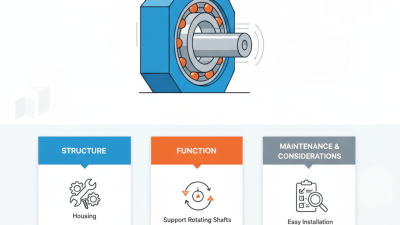
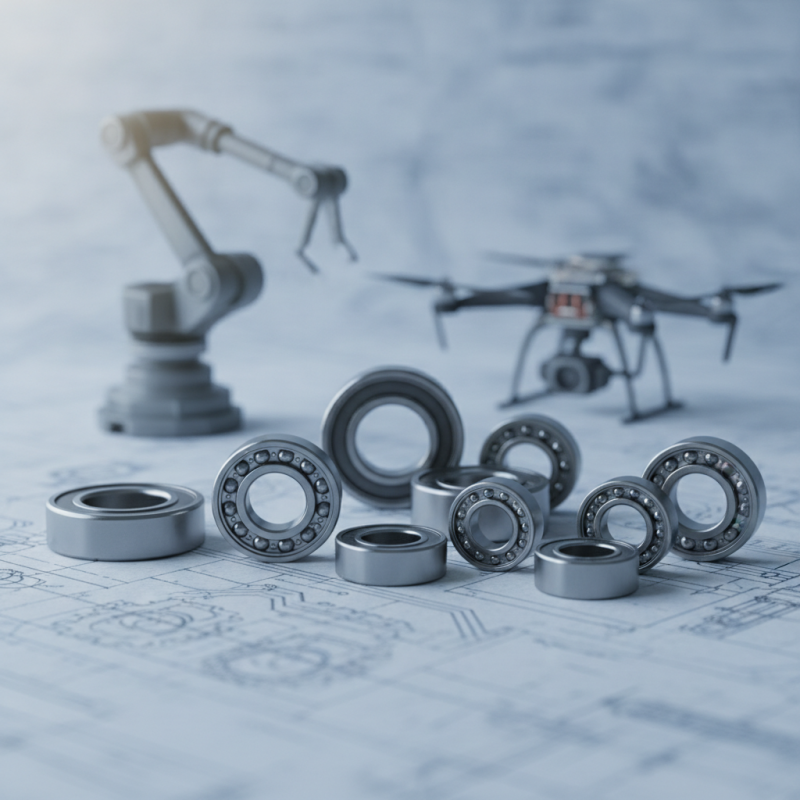
Miniature ball bearings are intricate components designed for high precision and efficiency. These tiny devices allow for smooth rotation and movement in machinery. They consist of an inner ring, an outer ring, balls, and a cage to separate the balls. The structure reduces friction and wear, fostering longevity in applications.
In various machines, these bearings support rotating parts. They are crucial in industries ranging from robotics to medical equipment. The size of miniature ball bearings often allows them to fit into tight spaces, making them versatile. Their ability to handle radial and axial loads is impressive, but they are not infallible.
Over time, wear and tear can affect their performance. Users must consider lubrication and environmental factors. While they are reliable, understanding their limitations is key to avoiding failure. Proper maintenance practices help to prolong their service life. Recognizing when to replace them can save machinery from costly downtime.
Bearing Types Used in Modern Machinery
This bar chart illustrates the distribution of various types of ball bearings used in modern machinery, highlighting the importance of miniature ball bearings in maintaining efficiency and performance in various applications.
Key Applications of Miniature Ball Bearings in Machinery
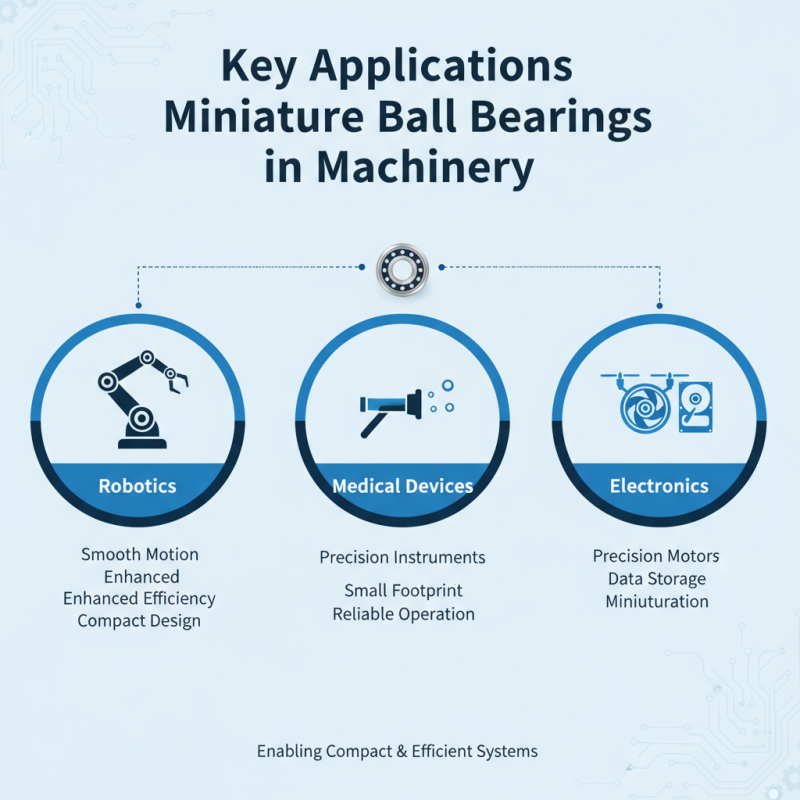
Miniature ball bearings play a critical role in various machinery applications. They are widely used in robotics, medical devices, and electronics. In robotics, miniature ball bearings enable smooth motion, improving efficiency and speed. Their small size allows engineers to design compact systems, ideal for space-constrained environments.
In medical devices, these bearings provide precision and reliability. They support surgical instruments and imaging equipment, where accuracy is paramount. The ability to withstand sterilization processes further highlights their reliability in critical medical applications. Miniature ball bearings also enhance the performance of small motors in devices like dental tools.
Tip: When choosing miniature ball bearings, consider load capacity and speed ratings. These factors influence their overall performance. Moreover, ensure compatibility with the materials used in your machinery. Testing different options can prevent future operational issues. Remember, the right bearing choice can lead to significant improvements in machinery efficiency.
Benefits of Using Miniature Ball Bearings in Modern Equipment
Miniature ball bearings play a crucial role in modern machinery. They help reduce friction, which is vital for improving efficiency in various applications. These small components are often engineered to fit tight spaces while maintaining high performance. Their compact design allows them to be used in devices ranging from medical equipment to robotics.
One of the significant benefits of miniature ball bearings is their ability to withstand varying loads and speeds. This versatility increases the longevity of machinery. Users often notice how these bearings enable smoother operation. However, not all miniature ball bearings are created equal. Different materials and designs can yield different results.
Reliability is another key advantage. Miniature ball bearings can operate under extreme conditions. Yet, improper installation or handling can affect performance. Regular maintenance is required to ensure they function optimally. As industries continue to evolve, the importance of these small components cannot be overlooked. Their presence in modern equipment is a testament to their essential role.
Why Miniature Ball Bearings Are Essential in Modern Machinery? - Benefits of Using Miniature Ball Bearings in Modern Equipment
| Dimension |
Benefit |
Application |
| Size Variability |
Compact design saves space in equipment. |
Medical devices |
| Material Quality |
High durability and resistance to wear. |
Automotive components |
| Low Friction |
Enhances efficiency and reduces energy consumption. |
Robotics |
| Precision Engineering |
Allows for high-speed and high-accuracy applications. |
Aerospace |
| Vibration Resistance |
Ensures stable performance under operational stresses. |
Industrial machinery |
Factors to Consider When Selecting Miniature Ball Bearings
When selecting miniature ball bearings, several key factors must be considered. The size of the bearing is crucial. It should fit the application precisely, ensuring optimal performance. Too large or too small can lead to inefficiencies. Also, the load capacity cannot be overlooked. Different applications exert varying amounts of stress on bearings. Choosing the right load capacity is vital for durability.
Material is another important element. Stainless steel or ceramic options offer different benefits. Stainless steel is common for its strength but can rust. Ceramic, on the other hand, is lightweight and resistant to corrosion. The trade-offs between longevity and cost must be evaluated. Additionally, consider the operating environment. High temperatures or moisture may dictate specific material choices.
Lubrication plays a significant role in performance and lifespan. Bearing performance can degrade without proper lubrication. It's essential to understand the lubrication needs specific to the application. Throughout this selection process, manufacturers must consider their experience with various bearing types. A lack of attention can lead to costly mistakes. Each choice brings potential drawbacks that require careful consideration.
Future Innovations in Miniature Ball Bearing Technology
Miniature ball bearings play a crucial role in various modern machinery applications. Their small size allows for compact designs, enhancing efficiency. As industries evolve, so does the need for innovative bearing technologies. We are witnessing advancements that focus on materials, precision, and lubrication methods.
Future innovations are expected to include the use of advanced ceramic materials. These materials can significantly reduce weight while improving durability. There is still a risk with ceramic components; they can be brittle and may fail under high-stress conditions. Research is ongoing to address these challenges and improve reliability.
Another area of development is self-lubricating ball bearings. These bearings aim to reduce maintenance needs and increase longevity. However, the effectiveness of these lubricants can vary based on operating conditions. Ensuring optimal performance remains a challenge for many engineers. Balancing reliability with innovation is critical for the future of this technology.