Top 10 Insights on Insert Bearing for Global Buyers
In the dynamic world of manufacturing, understanding the nuances of "Insert Bearing" is essential. Dr. John Smith, a leading expert in bearing technology, emphasizes, “Insert bearings are the backbone of modern mechanical design.” This statement highlights the pivotal role that insert bearings play in various applications across industries.
Insert bearings provide critical support in machinery and equipment. Their design allows for easy installation and maintenance, making them a preferred choice for global buyers. Despite their advantages, selecting the right insert bearing can be a challenge. Factors like load capacity and installation method require careful consideration. A slight miscalculation can compromise machinery performance.
For businesses, the choice of insert bearings reflects not just on functionality, but also on overall production efficiency. Understanding market trends can further guide manufacturers to make informed decisions. As the industry evolves, continual learning and adaptation remain crucial. The insights shared here reflect both current practices and areas needing improvement in the insert bearing sector.
Understanding Insert Bearings: Definition and Types Explained
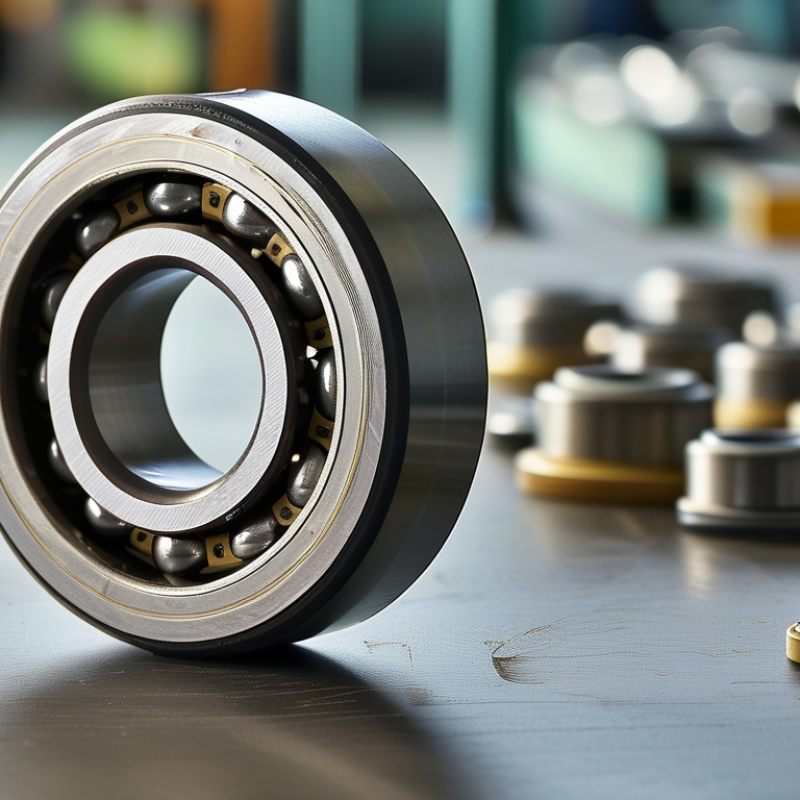
Insert bearings are crucial components in many machinery applications. They are designed to facilitate smooth rotation and reduce friction between moving parts. Understanding the definition and types of insert bearings can significantly aid in selecting the right option for your needs.
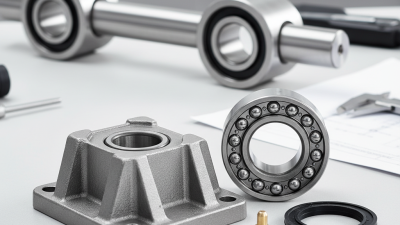
These bearings typically consist of a spherical outer surface and a removable inner ring. Their designs accommodate various shaft sizes and mounting methods. There are several types of insert bearings available, including pillow block, flange, and cartridge types. Each type serves unique applications. For example, pillow block bearings are ideal for supporting high loads, while flange bearings excel in limited spaces.
Despite their benefits, selecting the appropriate insert bearing involves careful consideration. Misjudging loads, speeds, or environmental factors can lead to premature failure. It’s essential to evaluate the specific needs of your machinery. Many technicians overlook the importance of regular maintenance, which can affect bearing lifespan. Learning from past experiences in bearing selection can improve future decisions.
Key Materials Used in Insert Bearings and Their Impact on Performance
Insert bearings play a crucial role in various industrial applications. The materials used in their construction significantly influence their performance. Common materials include steel, plastic, and ceramic. Each one offers unique benefits and drawbacks.
Steel is widely used due to its strength and durability. It can withstand heavy loads and resist wear over time. However, it is prone to corrosion without proper treatment. Plastic, on the other hand, is lighter and can provide insulation against electrical currents. Yet, it may not offer the same load-bearing capacity as steel. Ceramic materials excel in high-temperature environments, showcasing excellent wear resistance. But they can be brittle, raising concerns about mechanical shock.
When selecting materials, one must consider the specific application. It involves a careful balance between performance needs and material limitations. There’s no one-size-fits-all solution. A thoughtful decision can greatly impact the longevity and success of the bearing in real-world conditions. Users must continuously evaluate how material properties align with their operational requirements.
Market Trends for Insert Bearings: Global Demand and Growth Projections
The demand for insert bearings is rising globally. Industries are increasingly recognizing their versatility and reliability.
These components are essential in various applications, including motors, construction equipment, and agricultural machinery. As global manufacturing evolves, the need for efficient, durable bearings becomes paramount.
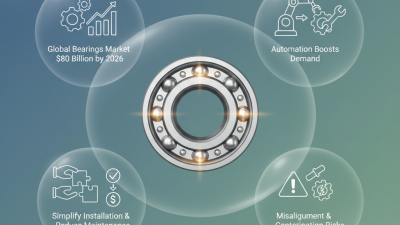
Market research indicates a steady growth trend in this sector. Factors driving this growth include increasing automation and the expansion of e-commerce. Companies seek to boost productivity and minimize downtime. Insert bearings contribute significantly to achieving these goals. However, there are challenges.
The market experiences fluctuations, and suppliers must navigate pricing pressures.
Sustainability is also a growing concern. Many manufacturers are shifting towards eco-friendly materials. This change reflects broader market trends. Despite advancements, some companies struggle to adapt quickly. It’s essential for stakeholders to keep pace with innovations. Awareness of shifting consumer needs is critical.
Insert bearings are not just components; they are pivotal for future success in various industries.
Comparative Analysis of Insert Bearings vs. Conventional Bearings
When comparing insert bearings to conventional bearings, several factors emerge. Insert bearings are often simpler to install. Their design allows for easy replacement and maintenance. This can reduce downtime for machinery. Conventional bearings may require more labor and specialized tools for installation.
Insert bearings typically offer better versatility. They fit various shaft diameters and configurations. This adaptability can be beneficial for diverse applications. However, one could argue that conventional bearings might have a slight edge in heavy-load scenarios. They often provide more robust support and stability when properly installed.
In examining performance under varying conditions, insert bearings tend to show a different wear pattern. They often exhibit a higher resistance to contaminants. Yet, one must be cautious. In high-temperature environments, conventional bearings may outperform insert types. Understanding these nuances is essential for making informed decisions. Ultimately, it comes down to the specific application and operational needs. The choice between insert and conventional bearings requires careful consideration of their unique attributes.
Essential Considerations for Selecting the Right Insert Bearing for Applications
When selecting insert bearings, understanding your application's specific needs is crucial. Different loads and environmental conditions can impact performance significantly. According to a recent report from the global bearings market, over 40% of bearing failures stem from improper selection. This statistic highlights the importance of careful evaluation.
Consider the type of load your application will encounter. For instance, radial loads require different insert bearings than axial loads. Environmental factors like temperature, moisture, and contaminants also play a role. An insert bearing suited for a clean indoor environment may fail in a dusty, outdoor setting. Choosing materials wisely is paramount.
Tips: Assess the operating conditions. Evaluate temperature and contamination levels to determine the right material. Don't overlook installation methods. Improper installation can lead to failures faster than anticipated. Ensure that you follow best practices to avoid common pitfalls. Regular maintenance checks can reveal early signs of wear. Remember, proactive measures can extend the lifespan of your bearings significantly.