Top China Best Ball Bearing Suppliers for Global Buyers?
When it comes to sourcing high-quality ball bearings, China stands out as a leading hub. The country's vast manufacturing network offers a diverse range of suppliers. Buyers often seek reliable partners who can deliver precision-engineered products at competitive prices. However, navigating this landscape can be challenging. Not all suppliers maintain consistent quality standards.
In the world of ball bearings, expertise matters. Many Chinese suppliers have decades of experience, ensuring that their products meet international standards. This experience often translates into better customer service and technical support. Yet, it’s essential to conduct diligent research. Variability in quality can be significant. Buyers should assess each supplier's capabilities and reputation carefully.
Understanding the landscape is crucial. Some suppliers excel in specific industries, such as automotive or aerospace. Others may focus on general-purpose ball bearings. Each niche presents unique challenges and opportunities. As global demand for reliable ball bearings grows, selecting the right supplier becomes increasingly important. Fostering a strong partnership can lead to successful long-term collaboration.
Overview of Ball Bearing Industry in China
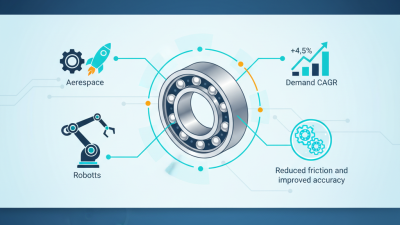
The ball bearing industry in China has witnessed significant growth over the last decade. According to a recent market report, the market size of ball bearings in China is expected to reach USD 30 billion by 2025. This surge is driven by rising demand from sectors such as automotive, aerospace, and machinery. An impressive 60% of ball bearings produced in China are exported to various global markets.
China's production capabilities are vast, employing advanced manufacturing technologies. However, challenges remain. Quality control varies across manufacturers, leading to inconsistent product performance. A report from the China Bearing Industry Association highlighted that approximately 20% of domestic producers struggle to meet international standards. This disparity affects buyer confidence and poses risks for businesses seeking reliable components.
Despite these obstacles, the potential for growth is substantial. The nation is investing in research and development for innovative bearing solutions. As global industries evolve, Chinese suppliers must adapt to stay competitive. They need to enhance quality assurance processes and strengthen their reputation in the international market. The journey ahead is promising, yet demanding for all stakeholders involved.
Key Characteristics to Look for in Ball Bearing Suppliers
When sourcing ball bearings from suppliers in China, specific characteristics matter. Quality is paramount. A reliable supplier should provide certifications like ISO 9001, which indicates adherence to recognized quality management standards. According to industry reports, over 40% of international buyers emphasize certification as a key factor in their selection process.
Pricing is another crucial aspect. Competitive pricing can vary significantly among suppliers. On average, market analyses show that price discrepancies can reach up to 30% depending on the supplier’s manufacturing processes and material sourcing. Transparency in pricing enhances trust, but buyers should be cautious of unusually low prices that could signal inferior quality.
Delivery times impact supply chains. A good supplier should maintain efficient logistics. Typically, industry standards suggest that a lead time of no longer than four weeks is preferable. However, buyers frequently encounter delays due to poor communication or unforeseen circumstances. This inconsistency underscores the need for suppliers that have robust logistics and communication systems in place. Lack of clarity in these areas can lead to unnecessary complications in the procurement process.
Top Ball Bearing Manufacturers in China: A Detailed Profile
China has established itself as a powerhouse in the ball bearing industry. Its manufacturing sector boasts a diverse range of suppliers catering to various global markets. According to recent industry reports, China's ball bearing production accounts for over 30% of the world's total output. This significant share highlights the country's pivotal role in the global supply chain.
Many suppliers in China emphasize innovation and quality. Advanced technology is frequently employed to enhance manufacturing processes. Data from the China Bearing Industry Association outlines that the sector is projected to grow by 5% annually, driven by rising demand in automotive and machinery applications. Companies are increasingly focusing on producing high-performance bearings to meet these needs.
**Tip:** When selecting a supplier, consider their certifications and industry standards. Certifications often indicate a commitment to quality and reliability.
Despite the robust growth, challenges remain. Quality control can be inconsistent among suppliers. Buyers need to conduct thorough research on potential partners. Regular audits and inspections may be necessary to ensure product compliance. Awareness of these factors can help mitigate risks when sourcing bearings from China.
**Tip:** Establish clear communication with suppliers. This helps clarify expectations and reduces misunderstandings.
Top China Best Ball Bearing Suppliers for Global Buyers
| Supplier Location |
Annual Revenue (Estimated) |
Export Capability |
Industry Applications |
Certifications |
| Shenzhen |
$50 million |
High |
Automotive, Industrial |
ISO 9001, CE |
| Dongguan |
$30 million |
Medium |
Consumer Electronics, Home Appliances |
ISO 14001 |
| Shanghai |
$70 million |
Very High |
Aerospace, Heavy Machinery |
AS9100, ISO 9001 |
| Ningbo |
$20 million |
Low |
Farm Equipment, Power Tools |
ISO 9001 |
| Wuhan |
$25 million |
Medium |
Medical Devices, Robotics |
FDA, CE |
Factors Influencing the Global Demand for Chinese Ball Bearings
The global demand for Chinese ball bearings is influenced by several key factors. Rising industrialization in developing countries drives the need for efficient machinery. Reports indicate that the ball bearing market is expected to grow at a CAGR of 5.6% from 2021 to 2028, with Asia Pacific dominating. This is largely due to increased manufacturing activities and robust automotive production in regions like Southeast Asia.
Quality and cost-effectiveness remain crucial for buyers. Chinese suppliers often provide a balance of high quality and competitive pricing. However, inconsistent quality standards can be a concern. An estimated 15% of products from certain suppliers have shown variability in performance. This inconsistency urges potential buyers to exercise diligence when selecting suppliers.
**Tip:** Always verify certifications and compliance with international standards. Don’t hesitate to request samples for testing. Additionally, building long-term relationships with trusted suppliers might mitigate quality issues over time. Remember, a supplier’s reputation can often provide insight into their reliability.
Global Demand for Chinese Ball Bearings (2023)
Tips for Selecting Reliable Suppliers from China for Global Buyers
When selecting reliable ball bearing suppliers from China, it’s crucial to do thorough research. A solid foundation of knowledge about the industry will guide you in your choices. Focus on suppliers that demonstrate transparency in their processes. Assess their manufacturing capabilities and quality control measures.
Here are some tips for selecting suppliers.
Always check references. Previous customers can provide insights into the supplier's reliability. Online reviews may also reveal their strengths and weaknesses. Look for certifications indicating quality standards. This adds an extra layer of trust.
Communication is vital. Ensure that the supplier is responsive and professional. Delays in responses can reflect potential issues later in the partnership. Request samples before making bulk orders. This step helps evaluate product quality firsthand. Trust your instincts; if something feels off, consider exploring other options to avoid future complications.