How to Choose the Right Mounted Bearing for Your Application?
Choosing the right mounted bearing for your application is crucial. Mounted bearings play a significant role in machinery performance. According to a recent report by the International Bearing Association, the global mounted bearing market is projected to reach $3.5 billion by 2026. This indicates the growing importance of selecting quality bearings for various applications.
Industry expert John Smith emphasizes, “Selecting the right mounted bearing can significantly reduce downtime and maintenance costs.” His insights highlight the importance of precision in bearing selection. With factors like load capacity and operating temperature at play, making the right choice becomes complex yet vital.
When evaluating options, consider details such as material type and environmental exposure. There’s a vast array of mounted bearings available. Each option comes with unique specifications. A lack of careful consideration can lead to inefficiencies. Thus, understanding your specific application needs is essential.
Understanding the Basics of Mounted Bearings and Their Applications
When selecting mounted bearings, understanding their basic functions is crucial. Mounted bearings support rotating shafts and reduce friction. They are widely used in various applications, from manufacturing to automotive systems. According to a report by MarketsandMarkets, the mounted bearing market is projected to grow from $5.6 billion in 2020 to $7.3 billion by 2025. This growth indicates a rising demand for efficient machinery and equipment.
Different applications require different types of mounted bearings. For instance, certain industries need bearings that withstand high temperatures, while others prioritize compact sizes for limited spaces. The choice can impact efficiency and lifespan. Inappropriate selections may lead to failures, resulting in costly downtimes. A study from the Bearing Specialists Association revealed that over 30% of bearing failures stem from incorrect installations or selections.
Understanding materials is equally important. Mounted bearings come in various materials, including metal, plastic, and composite options. Each material possesses unique properties that influence durability and cost. For instance, metal bearings typically offer strength but may require more maintenance than plastic. Recognizing these differences helps in selecting the right bearing for specific conditions. Reflecting on these complexities can lead to improved decision-making and operational success.
Identifying the Key Factors in Bearing Selection for Your Needs
Choosing the right mounted bearing involves careful consideration of various factors. Load capacity is essential. Understand the weight and force the bearing must support. High loads require robust materials. Ensure the mounting method fits your equipment. A poor fit can lead to vibrations and failures.
Environmental conditions also play a crucial role. Dust, moisture, and temperature can affect performance. Sealed bearings may be preferable in harsh environments. Additionally, consider the speed of operation. Bearings designed for high-speed applications must be precisely engineered.
It's easy to overlook maintenance needs. Some bearings require regular lubrication or adjustments. Think about the long term. Choosing a bearing that is reliable today does not guarantee it will perform well tomorrow. Testing different options can help identify potential issues. This process involves trial and error. Failure to do so might lead to costly downtime later.
Comparing Different Types of Mounted Bearings: Pros and Cons
When choosing mounted bearings, it's crucial to consider the pros and cons of various types. A spherical bearing offers flexibility in alignment. However, its greater friction can lead to inefficiencies, resulting in wear and tear over time. For applications requiring precise movements, a tapered roller bearing might be ideal, but it can be more prone to misalignment issues under heavy loads.
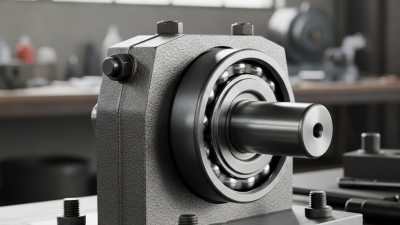
Another option is the pillow block bearing. This is user-friendly and easy to install, yet it might lack the load capacity of other types. Analysts from industry reports indicate that proper selection can enhance operational efficiency by 10-20%. Understanding the specific needs of your application will guide you in choosing the right type, optimizing performance and longevity.
Tip: Always assess your operating conditions. Environmental factors affect bearing performance significantly. If your application experiences high levels of dust or moisture, consider sealed bearings. They provide better protection and increase lifespan. Remember, an informed choice leads to better machinery performance and reduced downtime.
Evaluating Load Capacity and Speed Ratings for Optimal Performance
When selecting a mounted bearing, understanding load capacity and speed ratings is essential for optimal performance. According to industry reports, the load capacity must align with the maximum potential load in your application. An improperly rated bearing can lead to premature failure, increasing downtime and repair costs. Many experts recommend a safety factor of at least 1.5 times the expected load. This ensures reliability in your system, particularly for demanding environments like high-speed machinery.
Speed ratings significantly impact a bearing's lifespan. Inadequate speed ratings can lead to overheating and eventual failure. Research shows that bearings operating at 75% of their maximum speed can greatly extend their life. It is critical to assess the application's speed requirements, as exceeding these thresholds may not only risk failure but also degrade performance. Intermittent high-speed applications might demand a different bearing type, especially in dynamic systems.
It's essential to balance load capacity and speed ratings with the application requirements. Too often, engineers may prioritize one over the other, leading to inefficiencies. Evaluating both aspects holistically can enhance your system's operation and reliability. As the industry evolves, continuous data analysis can guide better decision-making, ensuring longevity in bearing selection.
How to Choose the Right Mounted Bearing for Your Application?
| Bearing Type |
Load Capacity (kg) |
Speed Rating (RPM) |
Temperature Range (°C) |
Application |
| Deep Groove Ball Bearing |
1000 |
12000 |
-20 to 80 |
Electric Motors |
| Angular Contact Bearing |
800 |
15000 |
-30 to 90 |
Machine Tools |
| Self-Aligning Bearing |
1200 |
10000 |
-20 to 70 |
Agricultural Equipment |
| Thrust Bearing |
1500 |
8000 |
-15 to 85 |
Elevators |
| Spherical Roller Bearing |
2000 |
6000 |
-20 to 100 |
Construction Machinery |
Installing and Maintaining Mounted Bearings for Longevity and Efficiency
When it comes to mounted bearings, proper installation and maintenance are vital for achieving longevity and efficiency. Research shows that up to 30% of bearing failures occur due to improper installation practices. This statistic highlights the need for a focused approach when setting up these components. It is essential to ensure that shafts are aligned correctly. Misalignment can lead to uneven wear and premature failure, costing significant downtime and repairs.
Regular maintenance is equally critical. A study by the American Bearing Manufacturers Association emphasizes that routine inspections can extend a bearing’s lifespan by 50%, significantly reducing the risk of unexpected breakdowns. During maintenance, check lubricant levels and conditions carefully. Contaminated lube can lead to increased friction and overheating. Monitoring these factors frequently can lead to early detection of problems, saving costs in the long run.
The installation environment affects bearing performance too. Dust, moisture, and extreme temperatures can impact bearing efficiency. A clean and controlled environment can enhance durability. Identifying these variables allows for adjustments that promote better operational stability. While proper techniques are vital, acknowledging environmental factors can inform better decisions and actions. Investing time in both installation and maintenance pays off in reliability and performance.