Why Choose Agricultural Bearings for Your Farming Needs?
In the agricultural industry, reliability is crucial. Choosing the right equipment can significantly impact productivity. Agricultural bearings play a vital role in farm machinery. According to industry reports, improper bearing selection can lead to increased downtime.
A well-functioning agricultural bearing ensures smooth operations, reducing wear and tear on machinery. In 2021, it was reported that 30% of machinery failures are linked to bearing issues. This figure underlines the importance of selecting quality bearings designed for the harsh conditions of farming. With the right bearings, farmers can enhance efficiency and reduce maintenance costs.
However, not all agricultural bearings are created equal. Factors such as load capacity, corrosion resistance, and environmental conditions must be considered. Many farmers overlook these aspects, leading to frequent replacements. Investing in high-quality agricultural bearings is essential for long-term success.
Types of Agricultural Bearings and Their Specific Applications
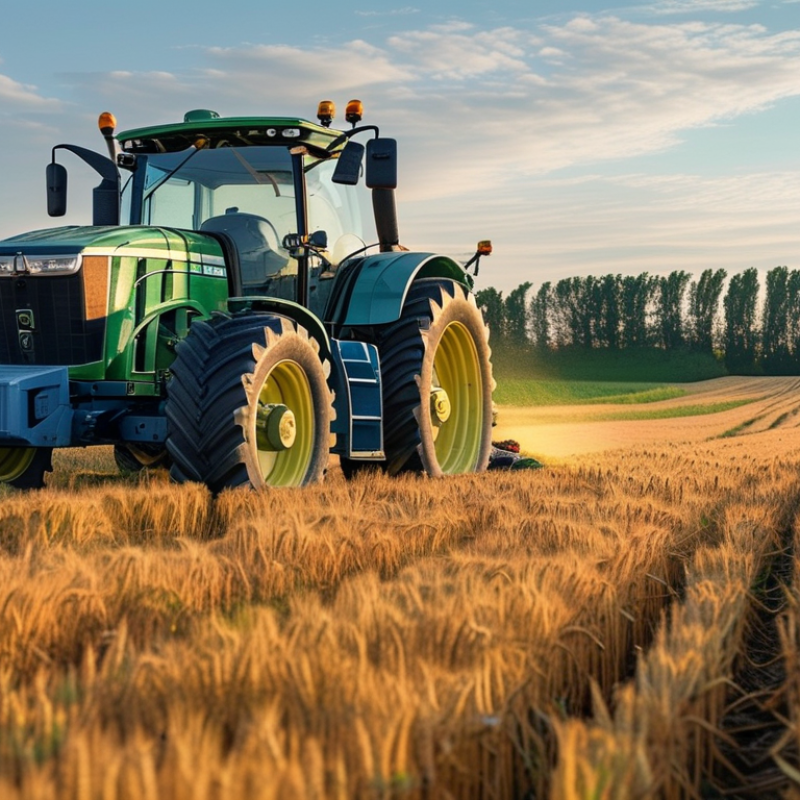
In agriculture, selecting the right bearings is crucial for efficiency and productivity. Agricultural bearings come in various types, each tailored for specific machinery and environments. Some popular types include insert bearings, pillow block bearings, and tapered roller bearings. These bearings play a vital role in ensuring that equipment runs smoothly, reducing downtime during peak seasons.
Insert bearings are commonly used in equipment like harvesters and tillers. They provide durability in muddy or dusty conditions. Pillow block bearings support rotating shafts and are often found in grain handling systems. Their design helps with load distribution, which is key in maintaining operational efficiency. Tapered roller bearings are essential in tractor axles, allowing for axial and radial load support.
Tips: Regular maintenance is crucial. Check for signs of wear or misalignment. Replace bearings at the first sign of damage to avoid costly breakdowns. Data shows that proper lubrication can extend bearing life by up to 50%.
Using the right bearing can lead to significant benefits. However, many farmers overlook this aspect. Choosing the wrong type may lead to equipment failure. Understanding your machinery’s needs is essential for success. Investing in high-quality agriculture-specific bearings can improve overall farm performance significantly.
Key Benefits of Using Agricultural Bearings in Farming Equipment
Agricultural bearings play a pivotal role in the efficiency of farming equipment. They are specifically designed to withstand harsh conditions. According to a report by the International Agricultural Engineering Institute, proper bearing selection can enhance equipment lifespan by up to 25%. This is crucial for farmers who rely on machinery for daily operations. Agricultural bearings are engineered to resist moisture, dirt, and extreme temperatures, minimizing downtime during crucial planting and harvesting seasons.
Tip: Regularly inspect agricultural bearings for wear and tear. Proper maintenance can save farmers from unexpected breakdowns.
Moreover, using high-quality agricultural bearings contributes to smoother operations. Their design reduces friction, which can lead to significant energy savings. Energy-efficient machinery is essential in today’s farming, where resources are limited. Studies suggest that investing in superior bearings can offer a 15% reduction in overall energy consumption. However, it's essential to choose the right type, as overloading or improper fitting may reduce performance.
Tip: Keep detailed records of bearing performance. This data aids in making informed decisions for future equipment purchases.
Factors to Consider When Selecting Agricultural Bearings
When selecting agricultural bearings, several factors come into play. Durability is crucial; these components must withstand harsh conditions. Consider the environment your equipment operates in. Factors like moisture, dust, and temperature can affect bearing performance. Choose materials that can resist corrosion and wear, ensuring longevity.
Additionally, load capacity is important. Bearings should handle the weight and stress from heavy machinery. Each application has its own demands. Proper sizing is essential to avoid premature failure. Overlooked details can lead to costly downtime. Regularly inspect your bearings for signs of wear, and don’t hesitate to replace them when necessary.
Cost also matters. While it may be tempting to choose the cheapest options, cheap bearings may not last. Investing in quality bearings can save on repairs and downtime in the long run. Stay informed about the latest technologies and materials in bearing production. This knowledge can aid in making better decisions for your farming equipment. Be cautious, and always weigh your options carefully.
Performance Comparison of Agricultural Bearings by Type
Maintenance Tips for Prolonging the Life of Agricultural Bearings
Agricultural bearings are essential for the smooth operation of machinery on farms. They withstand heavy loads and tough conditions, making them vital for farming efficiency. Proper maintenance of these bearings can significantly extend their lifespan and improve performance.
Regular lubrication is crucial for agricultural bearings. Neglecting this can lead to premature wear and costly repairs. Check for signs of damage or leakage regularly. Implement a routine inspection schedule. Clean any debris or dirt that gathers around the bearings to prevent blockages.
Consider environmental factors too. Harsh weather can impact bearing performance. In wet or muddy conditions, bearings may require more frequent checks. Using protective covers can shield them from dirt and moisture. Remember, proactive maintenance often reduces the likelihood of sudden failures.
Comparing Agricultural Bearings with Standard Bearings: What You Need to Know
When considering farming equipment, agricultural bearings often stand out. These components are specifically designed for the harsh conditions of farming. In contrast, standard bearings may not endure the same level of stress. The choice you make can significantly influence the longevity and performance of your machinery.
Agricultural bearings typically feature seals that keep out dirt and moisture. This makes them more reliable in muddy or wet environments. Standard bearings might wear out faster when exposed to these elements. The engineering behind agricultural bearings focuses on durability. This means fewer breakdowns during critical farming seasons. However, choosing the right type requires careful consideration.
Tips: Always inspect bearings before installation. Look for any signs of damage or wear. Proper maintenance can extend their lifespan. Ensure that the bearing fits well with your equipment. A poor fit can lead to premature failure. Balancing cost and quality is essential but challenging. Reflect on this before purchasing. Decisions made under pressure can lead to regrets later.