Best Wheel Hub Bearing Options for Smooth Driving Experience?
In the world of automotive components, the Wheel Hub Bearing plays a crucial role. It ensures a smooth and safe driving experience. According to expert mechanic Sam Richards, "A quality wheel hub bearing can make or break your vehicle's performance." His advice is invaluable, especially when selecting the right options.
Many drivers overlook this essential part. They may focus on flashy modifications instead. However, the Wheel Hub Bearing is fundamental for handling and stability. Choosing the best can enhance your vehicle's longevity. Poor choices, on the other hand, can lead to ineffective performance and costly repairs.
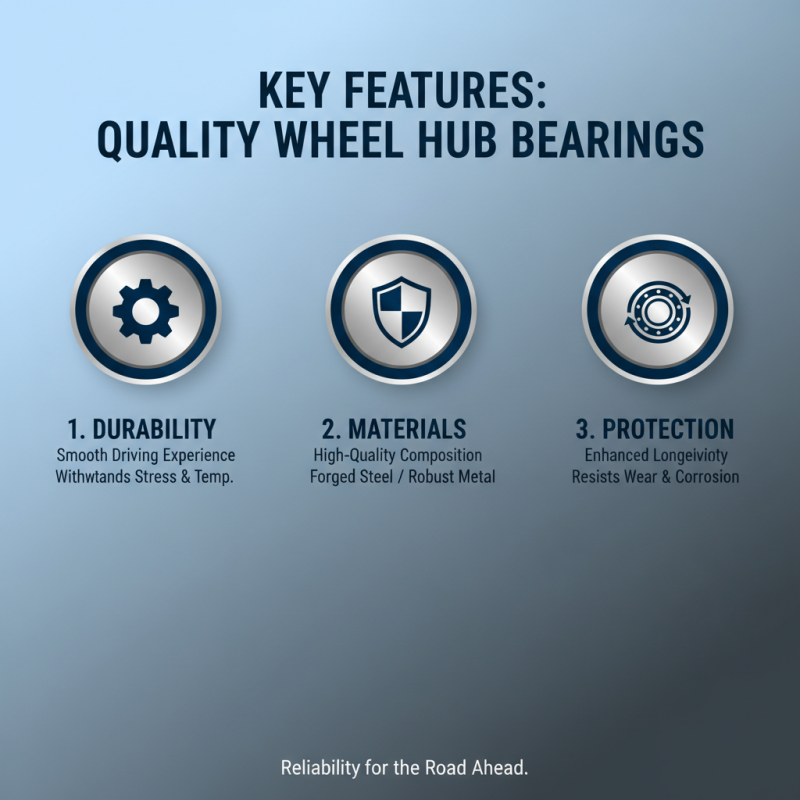
In a market flooded with options, the need for informed choices is even greater. Certain products stand out, offering durability and reliability. Not all brands deliver quality, resulting in mixed user experiences. Striking the balance between price and performance is key. By understanding the nuances of Wheel Hub Bearings, drivers can enhance their journey on the road.
Understanding Wheel Hub Bearings and Their Importance
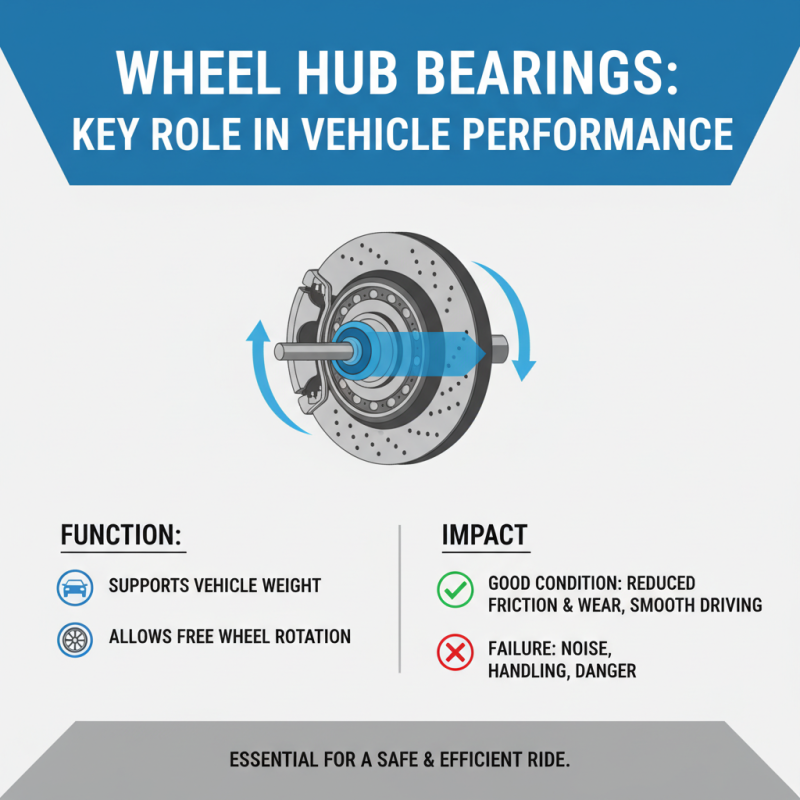
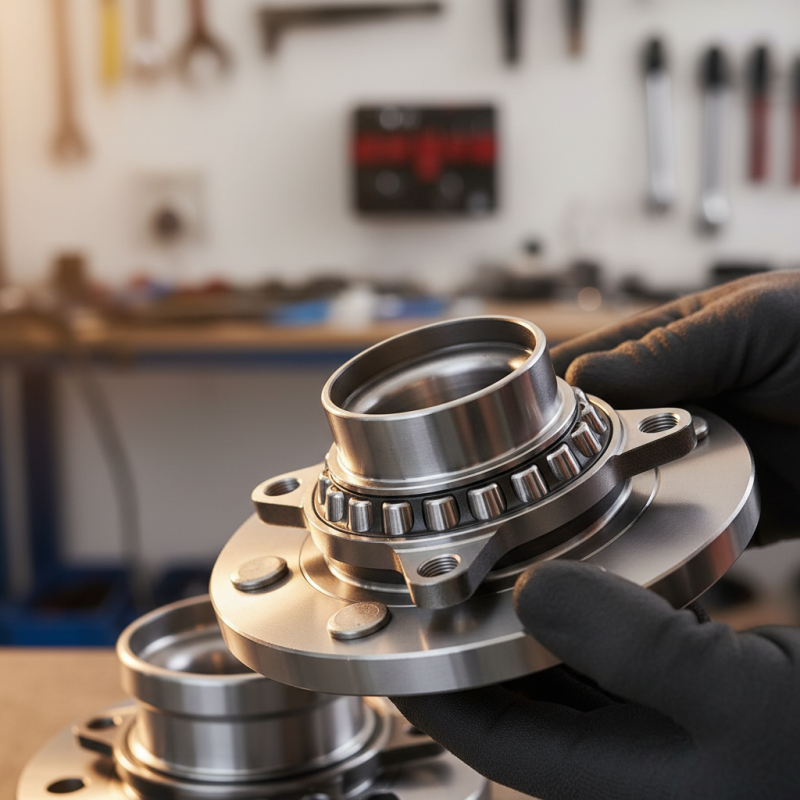
Wheel hub bearings are essential components in a vehicle's performance. They support the weight of the vehicle and allow the wheels to spin freely. Their functionality is crucial for smooth driving. When these bearings are in good condition, they reduce friction and wear on connected parts. However, if they fail, the results can vary from annoying noise to dangerous handling.
One common issue with wheel hub bearings is the gradual wear over time. Drivers often overlook this until it’s too late. Regular checks can help identify problems early. Look for unusual sounds when turning or at speed. Sometimes, a rough feeling when rotating the wheel indicates a failing bearing. These signs seem small but can lead to significant issues.
Maintenance is vital for ensuring optimal performance. Proper lubrication is often needed to prevent premature wear. Check the seals regularly to avoid moisture intrusion, which can cause corrosion. Ignoring these maintenance tips can lead to costly repairs. Investing a little time now can pay off with smooth rides ahead.
Types of Wheel Hub Bearings Available on the Market
Wheel hub bearings play a crucial role in your car’s performance. They allow the wheels to rotate smoothly and support the weight of the vehicle. There are several types of wheel hub bearings available on the market today.
One common type is the ball bearing. These bearings use small balls to reduce friction and ensure a smooth ride. They are often found in smaller vehicles and are efficient but may not handle heavy loads well. Another type is the tapered roller bearing. They provide better load distribution and are suitable for heavier vehicles. However, their installation can be tricky, and improper alignment can lead to issues.
A third option is the sealed bearing. These bearings are pre-greased and do not require maintenance, which is a plus. However, if they do fail, they often need to be replaced entirely. Remember, selecting the right wheel hub bearing impacts overall vehicle performance.
Tips: Regularly check your wheel hub bearings for signs of wear. Listen for unusual noises while driving. If you notice any, it might be time for a replacement. Keep in mind that the right bearing can make a difference, but quality matters. Not all options are created equal. A reflective choice can prevent future headaches.
Best Wheel Hub Bearing Options for Smooth Driving Experience
| Type of Wheel Hub Bearing |
Material |
Internal Construction |
Sealing Mechanism |
Lifespan (Miles) |
Price Range ($) |
| Ball Bearing |
Steel |
Angular Contact |
Rubber Seals |
80,000 |
40-100 |
| Roller Bearing |
Alloy Steel |
Cylindrical |
Metal Shields |
100,000 |
50-150 |
| Tapered Roller Bearing |
Chromoly Steel |
Tapered |
Polymer Seals |
120,000 |
60-200 |
| Hub Assembly |
Plastic/Metal |
Integrated |
Dual Seals |
75,000 |
70-180 |
Top Brands and Models for Optimal Performance
When selecting wheel hub bearings, performance is paramount. Quality bearings ensure smooth driving and enhance vehicle safety. A recent industry report highlights that over 25% of vehicle failures are linked to wheel hub issues. This statistic underscores the importance of choosing the right brand.
Top brands provide extensive options that cater to varying vehicle needs. Performance studies suggest that premium bearings can reduce friction by as much as 15%. This reduction not only improves fuel efficiency but also extends the lifespan of other automotive components. Pairing high-quality bearings with regular maintenance creates a reliable driving experience. Some drivers neglect this vital part, leading to untimely failures and increased repair costs.
Noise and vibration can reveal underlying issues with wheel bearings. A bearing that produces excessive noise may need replacement soon. Indeed, research shows that ignoring such signs can lead to more significant mechanical failures. Investing time in selecting the right model pays off, yet many still overlook this important choice. Regular checks and informed decisions about bearings contribute significantly to overall vehicle performance.
Installation Tips for Wheel Hub Bearings for Smooth Driving
When installing wheel hub bearings, careful attention is essential. Start by gathering all necessary tools. A torque wrench, socket set, and bearing puller are crucial. Ensure your vehicle is on a stable surface. This prevents accidents during the installation.
Remove the wheel and brake components to access the hub. Clean the area thoroughly. Dirt and debris can affect the new bearing's performance. If the old bearing is stuck, use a penetrating oil. Allow it to sit for a few minutes. This makes removal easier and minimizes damage to surrounding parts.
While installing, align the new bearing properly. Misalignment can lead to uneven wear. Tighten the bolts securely. Follow the manufacturer’s torque specifications. After installation, check for smooth rotation. A test drive can reveal any issues. Listen for unusual noises; they may indicate misalignment or insufficient lubrication.
Best Wheel Hub Bearing Options for Smooth Driving Experience