Best Pillow Block Bearing Options for Global Buyers?
Pillow Block Bearings are essential components in various industrial applications. According to recent market research, the global pillow block bearing market is expected to grow significantly, reaching USD 2.5 billion by 2026. This growth highlights the increasing demand for reliable and efficient bearing solutions.
Choosing the right Pillow Block Bearing is crucial for operational success. Factors such as load capacity, material quality, and environmental conditions play a vital role. The right choice can enhance machinery performance and reduce downtime, ultimately leading to cost savings. However, many buyers struggle with selecting the best options amid a plethora of available products.
Industry reports indicate that more buyers are turning to suppliers with proven expertise. This ensures they receive high-quality products designed for specific applications. With so many options on the market, making informed decisions remains a challenge. Thus, understanding the nuances of Pillow Block Bearings is more important than ever for global buyers.
Understanding Pillow Block Bearings: A Comprehensive Overview
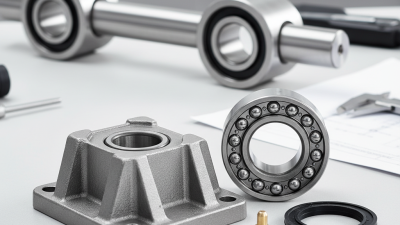
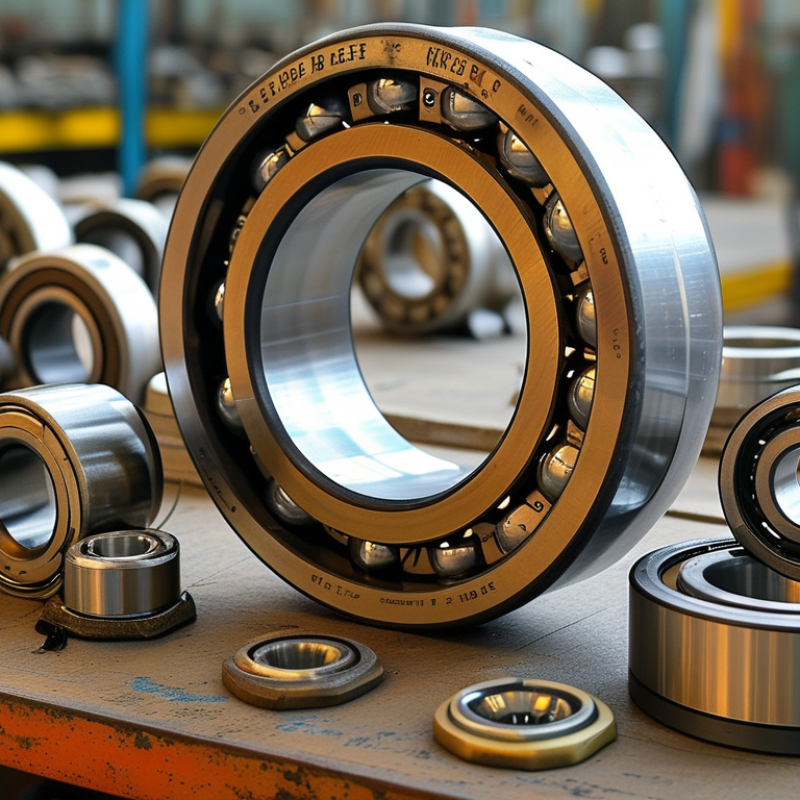
Pillow block bearings play a crucial role in machinery. They support shafts, allowing for smooth rotation. Understanding their components helps in selecting the right type. Typically, they consist of a bearing mounted in a block. This design safeguards the bearing from contaminants, enhancing its performance.
Choosing the appropriate pillow block bearing requires awareness of several factors. Factors include
load capacity,
speed, and
environmental conditions. High-precision applications might need specific designs. Commonly, industries like
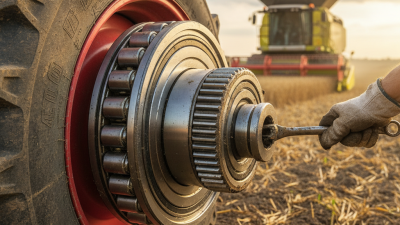
agriculture, automotive, and manufacturing rely heavily on these components. However, there's often confusion regarding sizing and fit.
Installation can be tricky, as improper alignment leads to failure. It’s important to ensure the bracket fits the shaft precisely. Buyers often overlook these details, resulting in costly errors. Regular maintenance is another factor that can be neglected. Proper lubrication and cleaning can extend the lifespan of the bearing. With the right care, pillow block bearings can operate efficiently for years.
Key Factors to Consider When Choosing Pillow Block Bearings
Selecting the right pillow block bearing involves several key factors that can greatly influence performance and longevity. One of the primary considerations is load capacity. Each bearing needs to support specific loads without failure. Understanding the weight and dynamics of the machinery affects the choice significantly. Too weak a bearing can lead to premature wear or even a catastrophic breakdown.
Another essential aspect is the environment in which the bearing will operate. Factors such as temperature, humidity, and exposure to contaminants are crucial. A bearing used in a harsh environment may require a different material or sealing method to ensure durability. For instance, bearings exposed to high temperatures might need specialized lubricants. The cost should also be weighed against performance needs. Investing more upfront can save costs long-term when the right bearing is chosen.
Buyers should also consider the ease of installation and maintenance. Some designs are more user-friendly than others. Complicated setups can result in installation errors, leading to inefficiencies. It’s essential to reflect on these aspects before making a final decision. A wrong choice can turn into an expensive lesson in operational downtime. Understanding these nuances will guide global buyers toward more informed purchasing decisions.
Top Manufacturers of Pillow Block Bearings for Global Markets
Pillow block bearings play a crucial role in various industries. They facilitate smooth rotational movement, ensuring equipment efficiency. When selecting the best options, understanding the market landscape is essential. Many manufacturers specialize in producing high-quality pillow block bearings. Their expertise contributes to the performance and durability of these components.
Leading manufacturers focus on innovative designs and materials. They prioritize advanced technologies to enhance product reliability. This attention to detail sets them apart in global markets. However, not every manufacturer meets stringent quality standards. Buyers must conduct thorough research to ensure they choose reputable companies. Evaluating customer reviews can provide insight into their reliability and service.
Additionally, varying industry needs require different specifications. Some applications demand high load capacity, while others require resistance to harsh environments. It's critical to assess these requirements carefully. In today’s market, a one-size-fits-all approach may not yield optimal results. Effective communication with suppliers often leads to better recommendations. The path to finding the best pillow block bearing begins with informed decisions and ongoing evaluation.
Comparison of Different Types of Pillow Block Bearings
When selecting pillow block bearings,
it's crucial to understand the different types available. Each type serves specific applications and comes with its unique benefits.
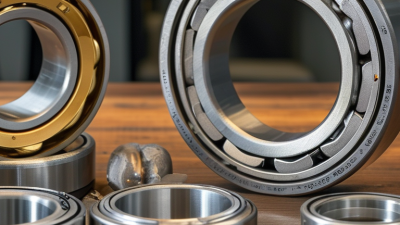
Common types include spherical roller bearings,
tapered roller bearings,
and plain bearings.
Spherical roller bearings are excellent for accommodating misalignment,
while tapered roller bearings excel in handling both radial and axial loads.
Plain bearings, though simple, offer low friction and are often cost-effective.
Tips:
Consider the working environment. High dust or moisture levels may require sealed bearings for better protection.
Also, check the mounting dimensions to ensure compatibility with your equipment.
Another aspect to consider is material.
Cast iron and
thermoplastic are popular choices.
Cast iron provides durability, while thermoplastic is lightweight and resistant to corrosion.
Make sure to analyze the load capacity and speed ratings of the bearings in question.
This can often be overlooked, but it’s vital for optimal performance.
Tips:
Always consult technical specifications when in doubt. A mismatch can lead to premature failure.
Regular maintenance can also extend the life of your bearings significantly.
Maintenance Tips for Maximizing the Lifespan of Pillow Block Bearings
Pillow block bearings offer convenience and reliability in various applications. To prolong their lifespan, maintenance is crucial. Regular inspection is fundamental. Check for signs of wear or damage. Look for unusual noises during operation. These can indicate underlying problems.
Lubrication plays a significant role in bearing performance. Use the correct lubricant type as specified in the guidelines. Over-lubricating or under-lubricating can both lead to failures. Clean any dirt or debris from the area before applying lubricant. This simple step can prevent a host of issues.
Environmental factors should also be considered. Extreme temperatures can affect performance. Ensure bearings are shielded from moisture and dust. Take time to understand the operating conditions. Awareness of these details can prevent premature wear. Regularly evaluate your maintenance practices for areas of improvement. Even minor lapses can lead to major repairs. Balancing attention to detail with practicalities is essential.