2026 Best Thrust Ball Bearing Buying Guide for Global Buyers?
Thrust Ball Bearings are pivotal in various industries due to their unique operational characteristics. According to a recent market report by Grand View Research, the global bearing market is projected to reach USD 120 billion by 2025. This surge signals an increasing reliance on precision components, including Thrust Ball Bearings. They are essential in applications requiring axial load support, often used in machinery, automotive, and aerospace sectors.
Thrust Ball Bearings provide numerous advantages, such as reduced friction and improved durability. However, selecting the right bearing can be challenging. It is crucial to consider load capacity, material composition, and environmental factors. Neglecting these details may lead to poor performance and costly downtime. Industry experts recommend thoroughly analyzing specifications before making a purchase.
The importance of informed decision-making in bearing selection cannot be overstated. Confusion or insufficient knowledge may lead to suboptimal choices. Understanding the design features and limitations of Thrust Ball Bearings is key for any buyer. As the market evolves, keeping updated with trends and advancements ensures smarter investments in quality products.
Understanding Thrust Ball Bearings: Types and Functions
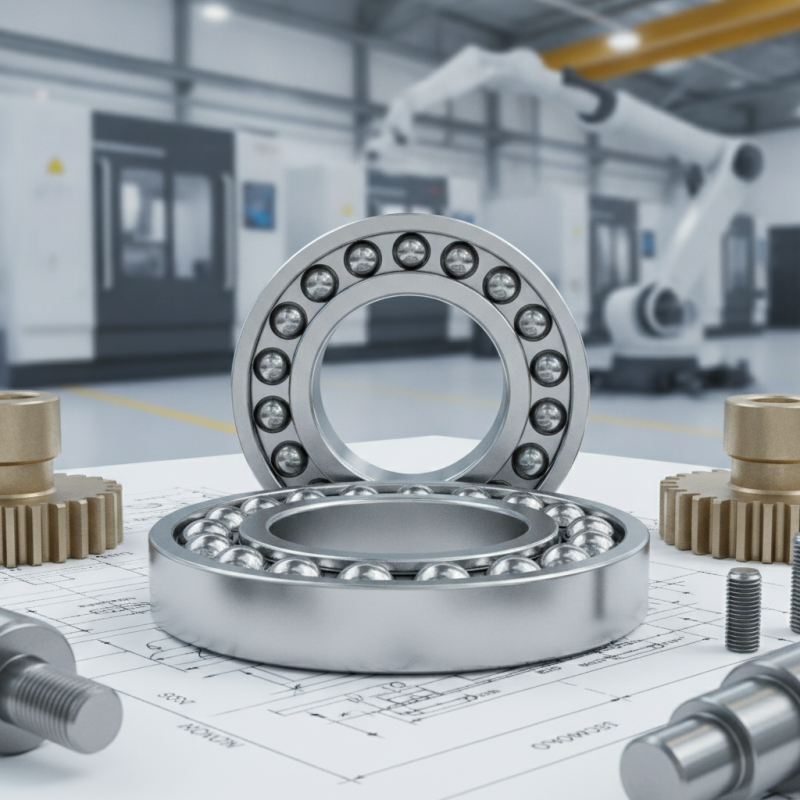
Thrust ball bearings play a critical role in machinery. They support axial loads and ensure smooth rotational motion. These bearings are composed of balls and raceways. They come in different types, each designed for specific applications.
There are two primary types of thrust ball bearings: single direction and double direction. Single direction bearings handle loads in one direction. In contrast, double direction bearings can support loads from both directions. Recognizing the right type for your machinery is essential.
Tip: Always consider your machine's specifications. Each bearing has load limits that should not be exceeded. Also, think about the operating environment. High temperatures or corrosive substances can affect performance.
When looking at thrust ball bearings, quality matters. Lower quality options may save money upfront but can lead to failures. Regular maintenance checks can help prolong their lifespan. However, even the best-maintained bearings can fail unexpectedly. Understanding wear patterns can help in proactive replacements.
Tip: Keep a log of maintenance schedules. Track signs of wear and unusual sounds. This proactive approach can prevent costly downtimes in the future.
Key Factors to Consider When Buying Thrust Ball Bearings
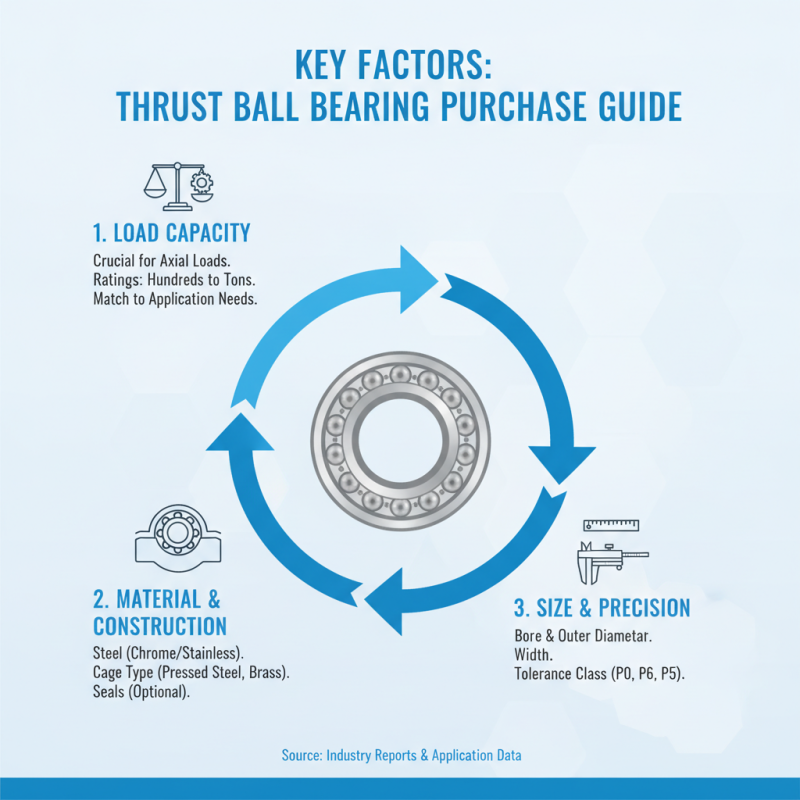
When purchasing thrust ball bearings, several key factors come into play. The desired load capacity is crucial. According to industry reports, bearings handle axial loads efficiently, with ratings varying from a few hundred to several tons. Buyers must assess the application's requirements to make an informed decision.
Material selection significantly impacts performance. Most thrust ball bearings are made from high-quality steel, offering durability and resistance to wear. Some applications may benefit from ceramic materials, which provide lower friction and extended lifespan. Examine the operating environment as well; high temperatures or corrosive substances can weaken standard bearings.
**Tip:** Consider consulting with industry experts to establish specific needs. They can provide insights into material choices and load limits. Additionally, proper lubrication is vital for prolonging the life of thrust ball bearings. Ensure you choose the right lubricant according to the manufacturer's guidelines for optimal performance. Always review installation practices, as improper fitting can lead to premature failure.
Top Brands and Manufacturers of Thrust Ball Bearings in 2026
When exploring the best thrust ball bearings in 2026, understanding top brands is crucial. The market features several renowned manufacturers known for their innovative designs and reliable performance. These companies focus on quality materials, which enhance durability and reduce wear. Their extensive experience in the industry gives them an edge in producing high-performance products.
Not every brand excels in all aspects. Some prioritize cost-effectiveness over premium quality. This can lead to potential failures under heavy loads. It’s important for buyers to evaluate the specifications and application requirements carefully. Thorough research can help identify brands that balance durability and affordability. Look for manufacturers with proven track records and clear customer feedback.
Buyers should avoid relying solely on brand reputation. Sometimes, lesser-known companies offer exceptional products. This can lead to better performance at competitive prices. Always consider factors like service support and warranty when making a decision. Engaging with experienced users can provide insights into product reliability as well.
Maintenance Tips for Thrust Ball Bearings: Ensuring Longevity
Thrust ball bearings are crucial in various industrial applications. Their longevity depends significantly on proper maintenance practices. Regular inspections can prevent major failures and extend the life of these components. According to industry reports, 30% of bearing failures stem from inadequate lubrication. Ensuring optimal oil levels is essential for smooth operation.
Cleaning is also a vital maintenance task. Contaminants can cause wear and tear, leading to malfunction. A study by the Bearing Manufacturers Association highlighted that 45% of bearings fail due to contamination. Simple cleaning techniques can significantly reduce this risk. It's important to follow protocols for disassembly and cleaning to avoid damaging the bearings.
Operators must also monitor temperature levels. High temperatures can indicate issues like misalignment or insufficient lubrication. Regular temperature checks can help in early detection of problems. Interestingly, studies show that nearly 20% of equipment failures are related to improper temperature management. Focusing on these aspects not only boosts performance but also supports longevity.
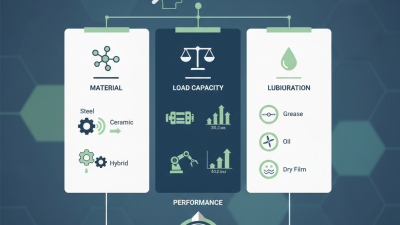
2026 Thrust Ball Bearing Performance Analysis
Common Applications of Thrust Ball Bearings Across Industries
Thrust ball bearings play a critical role in various industries, serving applications that require high-load capacity and precise positioning. In the automotive sector, for instance, these bearings support components such as gear systems and clutches. According to a report by Research and Markets, the thrust bearing market is projected to achieve substantial growth, driven by increasing automotive production.
In the aerospace industry, thrust ball bearings ensure safety and efficiency in engine components. They reduce friction in rotating parts, thereby enhancing overall performance. A study by MarketsandMarkets indicates that the aerospace sector's demand for high-quality bearings will boost market growth significantly.
Tips for selecting thrust ball bearings:
- Always consider the load ratings and the environment in which the bearings will operate.
- Corrosive environments require special coatings or materials.
- Regular maintenance can significantly extend bearing life.
- Consider common mistakes, such as underestimating load requirements or neglecting lubrication.
- These can lead to premature failure and costly downtime.