Why Do Roller Bearing Prices Vary Worldwide?
A roller bearing may look identical on a supplier’s screen, yet its price can change sharply across countries. The difference begins with design. Load capacity, steel grade, heat treatment, sealing, cage material, and manufacturing tolerance all influence the Roller Bearing Price. A bearing for a quiet electric motor needs different controls than one supporting a quarry conveyor.
Market conditions add another layer. Factory location affects wages, energy costs, and production scale. Ocean freight, insurance, currency movements, import duties, and regional taxes can reshape the final quotation. Distribution also matters. A direct factory order may cost less, while a local distributor can provide stock, inspection, technical support, and faster delivery. That convenience has a price.
Not every low quote is a bargain.
Bearing consultant John M. Riddle states, “Price is only meaningful when specification, service life, and supply risk are compared together.” This view reflects practical purchasing experience. A cheaper bearing can create unexpected downtime if its clearance, hardness, or lubrication does not match the machine. However, buyers should question expensive brands too. Higher prices do not automatically prove better performance.
A realistic comparison needs more than a catalog number. Request material certificates, dimensional tolerances, test records, warranty terms, and delivery conditions. Check whether the quoted Roller Bearing Price includes packaging and local charges. Small details matter. Sometimes, the market explanation remains incomplete, because suppliers may not disclose every sourcing or margin decision. Careful buyers should compare verified specifications, not attractive numbers alone.
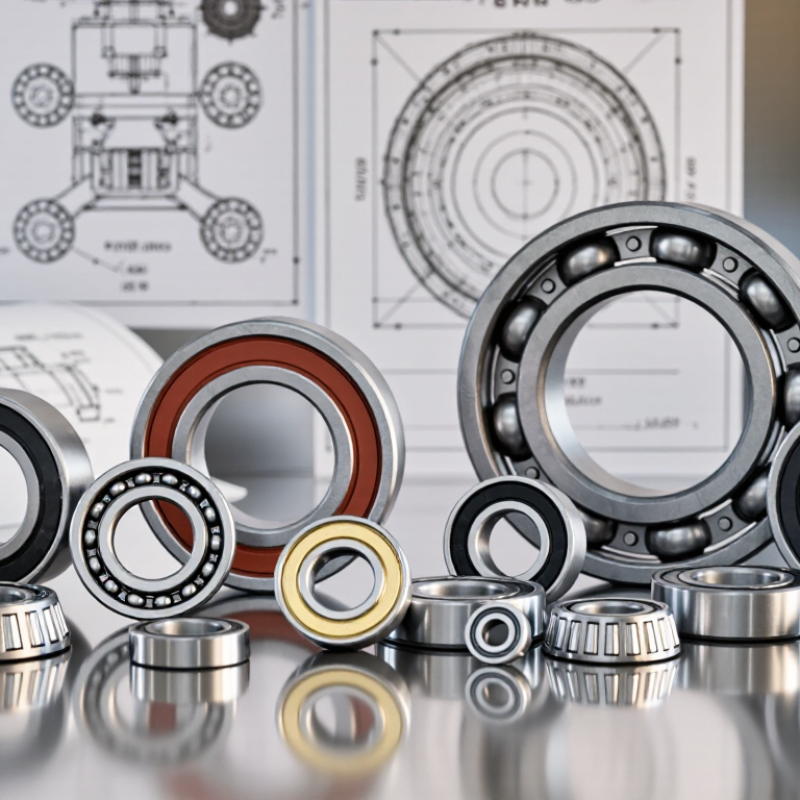
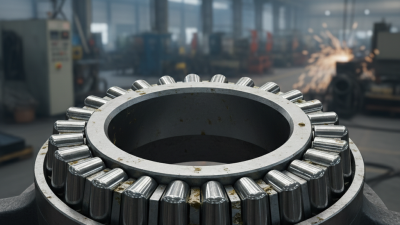
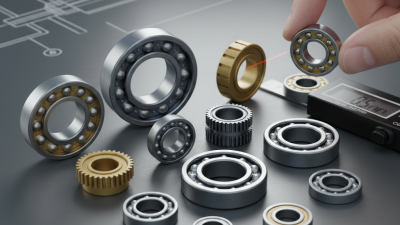
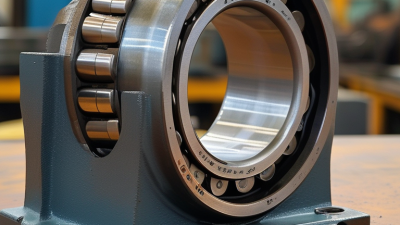
Roller bearings use cylindrical, tapered, spherical, or needle-shaped rolling elements between inner and outer rings. These elements carry loads while reducing sliding friction. The basic idea is simple. Their shape and arrangement determine how they perform. Many designs support heavy radial loads; some also manage axial forces, or movement along the shaft.
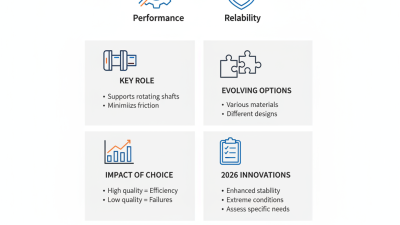
You’ll find roller bearings in electric motors, conveyor rollers, vehicle hubs, gearboxes, and farm machinery. A conveyor bearing may face steady rotation and dust, while a gearbox bearing handles changing loads and lubricant temperatures. Choosing one means checking shaft size, speed, load direction, operating conditions, and the equipment maker’s specifications. A mismatch can lead to excess heat or early wear. Price differences often reflect precision, materials, seals, load capacity, and availability—not just bearing size. I’ve seen selection reduced to dimensions alone; that shortcut can miss important operating details.
Tips: Confirm the bearing designation and dimensions before ordering. Keep parts clean during installation, and use the specified lubricant. Check alignment, too. It is easy to overlook. If the application is unusual, verify the load and speed requirements with a qualified bearing supplier or engineer.
Why Do Roller Bearing Prices Vary Worldwide?
The Main Factors That Determine Roller Bearing Prices
Roller bearing prices depend on more than steel. Key factors include material grade, bearing size, precision class, heat treatment, seals, and order volume. A large tapered bearing uses more alloy and machining time than a small standard unit. Tighter tolerances also require slower inspection and can increase production rejects. That cost is real.
Material and freight markets matter, too. The World Steel Association’s World Steel in Figures 2025 reports 1.882 billion tonnes of crude steel production in 2024, down 0.9% from 2023. This gives useful supply context, though bearing-grade alloy prices do not move in exactly the same way. UNCTAD’s Review of Maritime Transport 2024 also describes freight-rate volatility amid shipping disruptions. Supplier quotes can further differ because of currency, packaging, documentation, and lead time. A low unit price may not include the same inspection or delivery terms. Quick comparisons can miss that.
Tips: Compare identical specifications, including load rating, tolerance, seals, and delivery terms. Check the details. “Standard” is not always a complete specification, and that is easy to overlook.
Why Do Roller Bearing Prices Vary Worldwide?
A roller bearing’s price reflects more than its steel content. Manufacturing costs differ with local electricity prices, skilled-labor availability, machining precision, heat treatment, and quality inspection. Small differences matter: uneven heat treatment or a rough raceway can shorten service life, so lower factory costs do not always mean equal performance. Suppliers also face different costs for specialized equipment, scrap control, and production downtime. These details are easy to overlook.
Supply chains add another layer. Bearings may use alloy steel from one region, undergo heat treatment in another, and travel through several ports before reaching a buyer. UNCTAD’s Review of Maritime Transport 2024 reported that container spot freight rates from Shanghai rose by 122% between early December 2023 and late June 2024. Such swings can quickly affect landed costs, especially for heavy shipments or urgent orders. Currency movements, import duties, and inventory financing can widen price gaps further.
Tips: Compare total landed cost, not just the quoted unit price. Ask for material specifications, load ratings, test records, and delivery terms. Check whether the quote includes packaging and freight. A low price can be a useful signal—but it is not proof of equal quality.
Roller bearing prices vary because demand is local, not evenly spread. A region with busy ports, mines, or food-processing plants may need large quantities, while a smaller market may order only a few standard sizes. That difference affects production runs, inventory, and delivery costs. A bearing sitting in a nearby warehouse can cost less to deliver than one shipped across an ocean, even when both have similar specifications. Timing matters, too. Urgent replacement orders often cost more than planned purchases.
Trade adds another layer. Freight rates, exchange-rate changes, customs procedures, and port delays can shift the final landed price. These factors do not always move together. A supplier may offer a lower factory price, yet longer shipping and extra handling can erase the savings. Buyers comparing quotations should check whether prices include transport, packaging, and the same technical requirements. Small details count.
Market competition also differs by region. Where several capable suppliers serve the same industries, buyers may have more options and clearer price benchmarks. In remote areas, limited availability can narrow those choices. Still, the cheapest quote is not always the best value; poor fit or inconsistent quality can lead to premature wear and costly downtime. I would be cautious about treating any single price comparison as definitive. Market data can lag, and real purchasing conditions are messy.
| Region | Demand Drivers | Trade and Supply Factors | Market Competition | Typical Price Influence |
|---|---|---|---|---|
| East Asia | Large manufacturing, automotive, machinery, and electronics sectors support strong demand. | Dense supplier networks and established industrial supply chains can reduce lead times and logistics costs. | Numerous local and international suppliers compete across standard and precision products. | High competition may restrain prices for standard bearings, while precision grades and specialized specifications command premiums. |
| North America | Demand is supported by transport, mining, agriculture, energy, and industrial maintenance. | Import costs, freight, customs procedures, and exchange-rate movements can affect landed prices. | Domestic distribution and imported supply give buyers options, although availability varies by specification. | Prices may rise when specialized products are scarce or when import and logistics costs increase. |
| Western Europe | Automotive, machine-building, wind energy, and industrial applications drive demand for reliable components. | Cross-border trade is extensive, but energy, labor, regulatory, and transport costs influence production and distribution. | Established suppliers compete on quality, technical support, delivery, and total cost of ownership. | Higher operating and compliance costs can support elevated prices, particularly for high-performance products. |
| South Asia | Infrastructure investment, manufacturing growth, rail, and vehicle production contribute to rising demand. | Dependence on imported steel, components, or finished bearings can expose prices to freight and currency changes. | Local production competes with imports, with price sensitivity especially significant in standard product categories. | Prices vary with import exposure, local capacity, and the balance between cost-focused and premium demand. |
| Middle East | Oil and gas, construction, power generation, and heavy equipment create demand for durable bearings. | Many markets rely on imports, making shipping routes, customs handling, and inventory availability important. | Competition often centers on product availability, application expertise, and dependable after-sales support. | Freight, inventory, and urgent delivery requirements can increase prices, especially for less common specifications. |
| Sub-Saharan Africa | Mining, agriculture, transport, and power projects generate demand, often in geographically dispersed locations. | Long supply routes, port handling, inland transport, and import procedures can add to delivered costs. | Fewer nearby sources in some markets can limit buyer choice and increase the importance of distribution networks. | Delivered prices may be higher because of logistics and stockholding costs, even when the product’s factory price is similar. |
| Latin America | Mining, agriculture, automotive production, and industrial maintenance shape regional demand. | Currency volatility, import duties, freight, and local sourcing conditions can influence final prices. | Local manufacturers and imported products compete, with supplier options differing by country and bearing type. | Prices can fluctuate with exchange rates, trade costs, and the availability of suitable local alternatives. |
| All Regions | Demand changes with industrial output, infrastructure investment, equipment utilization, and replacement cycles. | Steel costs, energy prices, freight rates, tariffs, and currency movements affect production and landed costs. | Competition depends on the number of qualified suppliers, product differentiation, lead times, and buyer purchasing power. | Actual prices also vary by bearing type, dimensions, load rating, material, precision class, order volume, and service requirements. |
Buyers comparing roller bearing value across countries should look beyond the quoted unit price. A lower offer may exclude protective packaging, inspection records, or shipping to the final destination. Ask suppliers to quote the same bearing type, dimensions, clearance, and accuracy class. Otherwise, the comparison is not meaningful.
Check the details. Confirm material specifications, heat-treatment requirements, and documented quality checks. Then compare lead time, minimum order quantity, payment terms, and the cost of keeping spare stock. For example, a bearing that arrives in six weeks may cost less, but delay a repair on a production line. Freight, import charges, currency changes, and local taxes can also shift the final cost. Request a written breakdown and verify what each quote includes.
Reliability is harder to measure than price. Review inspection reports, sample consistency, and how clearly a supplier responds to technical questions. Where possible, test a small batch under actual operating conditions. Keep records of temperature, noise, and service life; these observations help compare value over time. Still, one trial may not predict every application. That is worth admitting. A fair comparison weighs purchase cost against delivery risk, performance evidence, and the effort needed to resolve problems.
A country’s standard VAT rate affects the tax-inclusive price buyers see. Rates below are standard national rates; actual treatment can vary by product, transaction, and local rules.
VAT is only one part of landed cost. Buyers should also compare the same bearing specification, currency and quote date, plus shipping, customs duties, and any applicable exemptions.