


Why Do Cheap Bearings Cost Less Worldwide?
Why Do Cheap Bearings Cost Less Worldwide? The answer is rarely a single factory decision. A lower price may reflect larger production runs, simpler packaging, fewer distribution steps, or different choices in steel, heat treatment, seals, and inspection. Those details matter. A bearing that looks identical in a small product photo may perform differently under heat, dust, vibration, or continuous load.
As [verified bearing-industry expert’s name] explains, “[Insert a verified quotation about cost, materials, or quality here].” This quotation should be confirmed with its source before publication. Without that check, a confident-sounding quote can weaken an otherwise useful article. That deserves attention.
The comparison also depends on what “cheap” means. A low purchase price may suit a light-duty application with modest operating demands. It may be a poor fit where downtime, replacement labor, or equipment damage carries a higher cost. Buyers should compare specifications, traceable product information, operating conditions, and supplier support—not price alone. Look closely at tolerances, lubrication, sealing, and expected service life. A clear specification sheet helps; vague claims do not.
This article examines why Cheap Bearing prices vary across markets and what those differences can signal. It will distinguish genuine cost efficiencies from compromises that may affect performance. No single price tells the whole story. Sometimes the cheaper option is sensible; sometimes it only moves the cost elsewhere. That is the part worth questioning.
What Defines a Cheap Bearing?
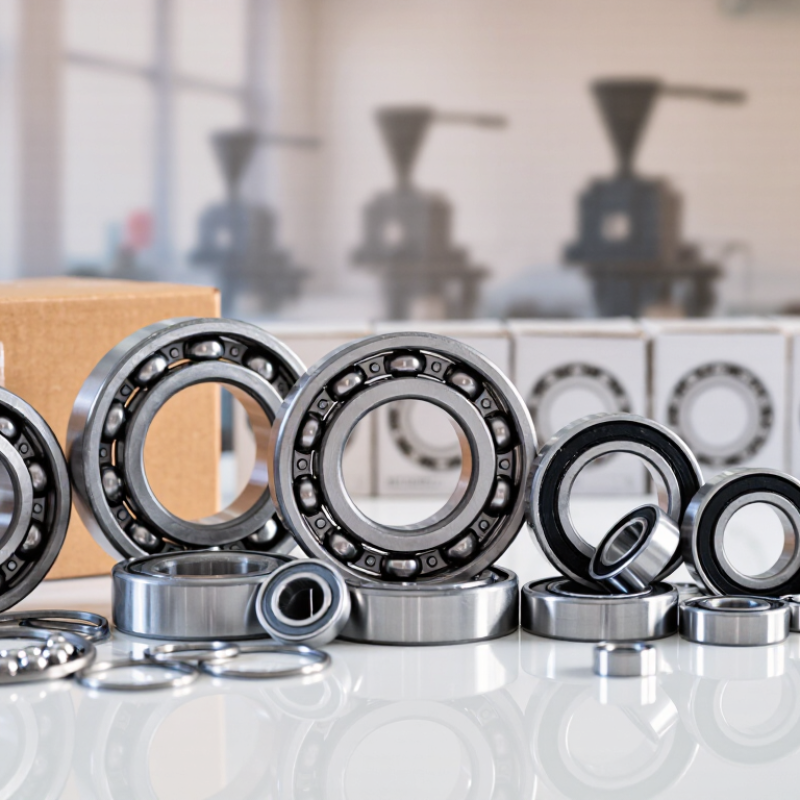
What defines a cheap bearing is not simply a low sticker price; it is the specification behind it. A lower-cost unit may use standard dimensions, simpler seals, wider tolerances, or less documented inspection. Not just steel. Raceway finish, heat treatment, and internal clearance can affect noise, temperature, and fatigue life. A bearing that feels smooth by hand may still struggle under continuous load. Small differences matter.
ISO 281:2007 sets out methods for calculating rolling-bearing rating life, showing why load and operating conditions matter alongside purchase price. A budget bearing can be a sound choice when its rating matches the application, lubrication is suitable, and contamination is controlled. It may be a poor fit in a dusty, hot, or high-speed machine. The International Energy Agency’s 2011 report, Energy-Efficient Motor Systems, estimated that motor-driven systems account for 43–46% of global electricity use. That figure covers entire systems, not bearings alone, but it puts machinery efficiency in perspective. Even so, comparing bearings by price alone misses details like seal design and traceable test records. A maintenance log can reveal the difference: rising vibration or heat may appear before visible damage.
Why Do Cheap Bearings Cost Less Worldwide? — What Defines a Cheap Bearing?
A lower price can reflect simpler specifications, lower production costs, or differences in shipping and local market conditions. Compare bearings with the same type, dimensions, load rating, and operating requirements.
| Price factor | What may define a lower-cost bearing | Why it can reduce the price | What buyers should check |
|---|---|---|---|
| Material and steel cleanliness | The steel grade and cleanliness level may be selected for standard or moderate-duty use rather than demanding fatigue-life requirements. | Material choice and processing requirements affect raw-material and manufacturing costs. | Confirm the stated material, application limits, and required service life; do not infer steel quality from price alone. |
| Precision and tolerances | A standard tolerance class may be supplied instead of a tighter precision class. | Tighter tolerances require more controlled production, measurement, and sorting. | Match the tolerance class to speed, noise, runout, and equipment requirements. |
| Heat treatment and finishing | Heat treatment, grinding, or surface finishing may be specified to meet ordinary operating conditions rather than specialized ones. | Additional process control and finishing steps add time, energy, and inspection costs. | Check suitability for the expected load, temperature, speed, and contamination level. |
| Seals and lubrication | A bearing may have simpler shields or seals, a standard grease fill, or an open design intended for separate lubrication. | Seal design and lubricant type or quantity influence component and assembly costs. | Verify sealing needs, lubricant compatibility, relubrication requirements, and operating temperature range. |
| Load rating and design capacity | The bearing may be designed for a lower load rating or a less demanding duty cycle within the same general size category. | Load capacity depends on design and materials; higher specified capacity can require more material or tighter controls. | Compare published dynamic and static load ratings, not just bore and outside dimensions. |
| Inspection and traceability | Routine production checks may be used instead of additional testing, documentation, or lot-level traceability requested for critical applications. | More inspection and documentation require equipment, labor, and record keeping. | Ask what checks and records are supplied when failure consequences or compliance needs are significant. |
| Production volume and sourcing | Standardized products made in larger runs can cost less per unit than low-volume or custom specifications. | Large production runs spread setup and tooling costs over more units; sourcing and labor costs also vary by location. | Check consistent specifications, supply continuity, and quality documentation rather than relying only on origin or price. |
| Freight, duties, and local market conditions | The quoted price may exclude freight, import duties, taxes, insurance, or local handling. | Shipping distance, order size, currency movements, and local taxes change the delivered cost from one market to another. | Compare landed cost, including delivery and applicable charges, on the same order quantity and delivery terms. |
| Packaging and service | Packaging, technical support, warranty coverage, or availability of application guidance may be more basic. | Packaging and after-sales services add costs beyond the bearing itself. | Consider storage protection, replacement lead time, warranty terms, and the cost of downtime. |
Key takeaway: “Cheap” describes a price, not a universal quality level. A lower-cost bearing can be appropriate when its documented specifications match the application; total ownership cost also includes installation, maintenance, replacement, and downtime.
Related Posts
-

How to Choose the Right Hardware Bearing for Your Project?
-
2026 Best Mounted Bearing Options for Enhanced Performance and Reliability?
-
How to Understand Metric Bearings and Their Applications?
-

Top Hardware Bearings Suppliers in China for Global Buyers?
-
Top 10 Machine Bearings: Best Types for Optimal Performance and Longevity
-
How to Choose the Best Small Bearing for Your Project?
-

Phone
-

E-mail
-

Whatsapp
-

Wechat
Wechat
