Top 10 Pillow Block Bearing Types You Should Know?
In the world of machinery, understanding the various types of Pillow Block Bearings is essential for optimal performance. Renowned expert Dr. Emily Carter once noted, “Choosing the right Pillow Block Bearing can significantly impact your equipment’s efficiency.” This statement emphasizes the crucial role these components play in various applications.
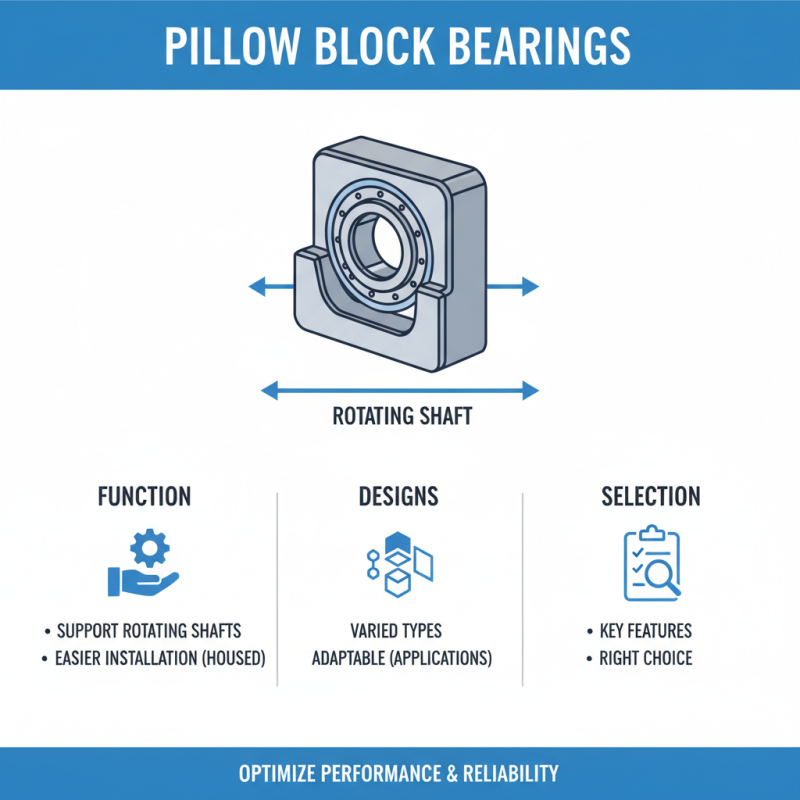
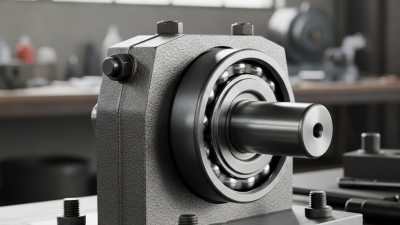
Pillow Block Bearings support rotating shafts, making them fundamental in mechanical systems. They come in many designs and materials, each suited for specific environments. From heavy-duty applications to light machinery, the variety is vast. For instance, cast iron blocks provide durability, while polymer options offer weight savings.
However, selecting the incorrect type can lead to inefficiencies and failures. Misunderstanding specifications leads to costly mistakes. It's important to weigh each option carefully. Reflecting on previous errors can guide better choices. The pursuit of the perfect Pillow Block Bearing is a complex journey, but with knowledge, one can navigate it effectively.
Overview of Pillow Block Bearings
Pillow block bearings are crucial for various machinery applications. They provide support for rotating shafts and reduce friction. Understanding the different types is vital for selecting the right one. According to industry reports, the global market for bearing units is expected to reach $93.5 billion by 2026. This highlights the importance of these components in manufacturing and engineering sectors.
There are several types of pillow block bearings, each designed for specific needs. For instance, the standard pillow block is versatile but may not withstand extreme conditions. Some installations might require specialized materials, such as stainless steel, to enhance durability. Choosing the wrong type can lead to operational inefficiencies, increased wear, and premature failure.
Tips: Always consider the load capacity and speed requirements when selecting pillow block bearings. Regular maintenance is crucial. Check for signs of wear or misalignment frequently. Ignoring these indicators can result in costly downtime. Understanding your operational environment is essential. Some environments may demand more robust solutions.
Key Features of Pillow Block Bearings
Pillow block bearings play a crucial role in supporting rotating shafts. These bearings are housed in a block, making installation easier. They come in various designs, tailored for different applications. Understanding their key features is essential for choosing the right one.
The most common features of pillow block bearings include their ability to accommodate misalignment. They can handle angular misalignment and axial movement. Another important feature is their material. Often made of sturdy materials, they resist wear and tear. Bearings designed for heavy loads typically have larger diameters, ensuring stability under pressure.
Tip: Always check the load rating before purchasing a bearing. Overloading can lead to premature failure.
Sealing is another vital aspect. Properly sealed bearings keep dirt and moisture out. This extends their lifespan significantly. Some may overlook maintenance, yet it’s key for optimal performance. Regularly lubricating your bearings can prevent friction.
Tip: Create a maintenance schedule to ensure long-term reliability. This will save time and money. If you're unsure, consult an expert to explore the right options for your specific needs.
Common Applications of Pillow Block Bearings
Pillow block bearings are crucial components in various industrial applications. They play a significant role in supporting rotating shafts. Industries utilize them in agricultural machinery, construction, and conveyor systems. A report from Research and Markets highlights that the global bearing market is expected to grow by 6% annually, emphasizing the rising demand for efficient motion control solutions.
In manufacturing, pillow block bearings enhance equipment reliability. They reduce friction and wear, leading to longer equipment life. An American Society of Mechanical Engineers study shows that proper bearing selection can improve operational efficiency by up to 15%. This is critical in production lines, where downtime is costly.
In textile industries, these bearings support moving parts in weaving machines, ensuring smooth operation. They also find applications in HVAC systems, where they help fans operate quietly and efficiently. However, users often overlook lubrication needs, leading to premature failure. Regular maintenance is essential. Understanding common applications helps businesses make informed choices about bearing types and avoid costly mistakes.
Top 10 Pillow Block Bearing Types You Should Know
| Bearing Type |
Material |
Load Capacity (lbs) |
Speed (RPM) |
Common Applications |
| Insert Bearing |
Steel |
5000 |
3000 |
Conveyor systems |
| Flange Bearing |
Stainless Steel |
3500 |
2500 |
Automated machinery |
| UCP Bearing |
Cast Iron |
4500 |
2000 |
Agricultural equipment |
| Pillow Block Bearing |
Metal |
6000 |
2800 |
Industrial fans |
| Swivel Bearing |
Bronze |
3000 |
1500 |
Robotics |
| Take-Up Bearing |
Plastic |
2000 |
1800 |
Textile machines |
| Eccentric Bearing |
Carbon Steel |
3500 |
2200 |
Printing presses |
| Bearing Unit |
Aluminum |
5000 |
3500 |
Conveyor rollers |
| Spherical Bearing |
Composite |
3000 |
1200 |
Construction machinery |
| PVC Bearing |
PVC |
1500 |
1000 |
Food industry |
Top 10 Pillow Block Bearing Types Explained
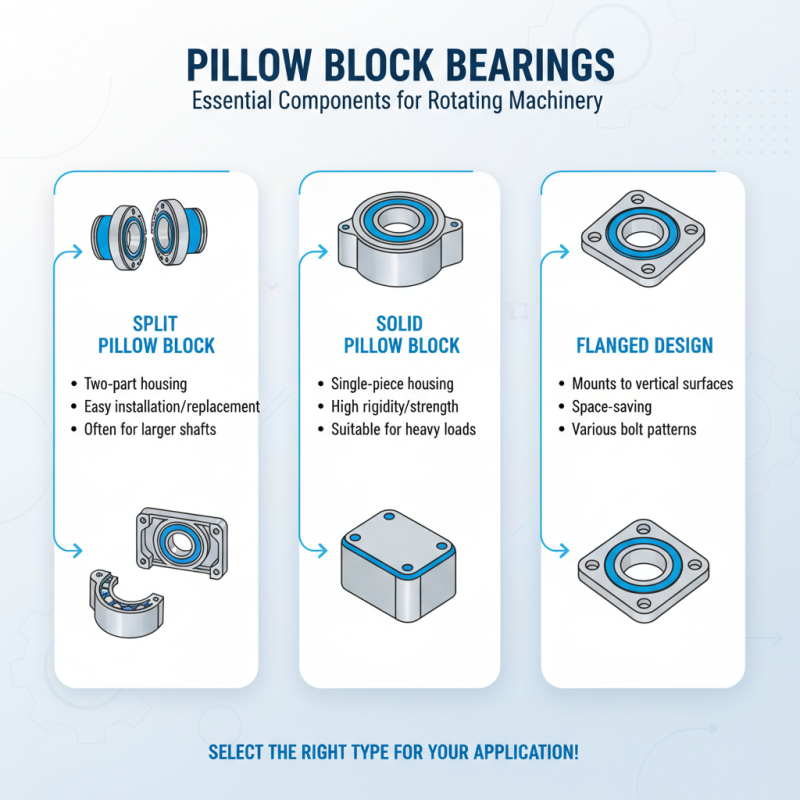
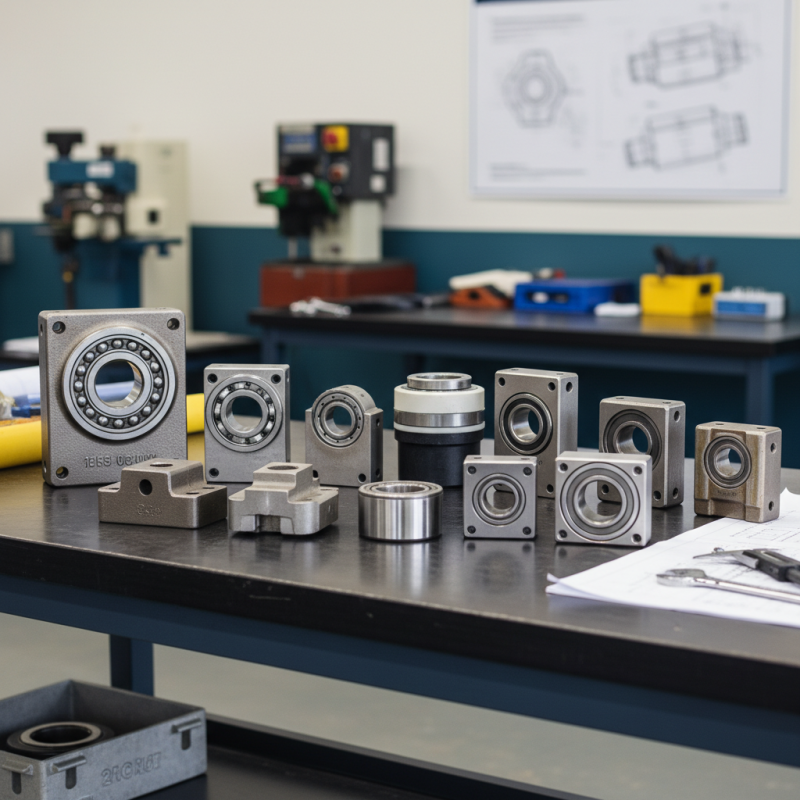
Pillow block bearings are essential components in various machinery. They provide support for rotating shafts and reduce friction. Understanding their types helps in selecting the right one for your needs. Common types include the split pillow block, solid pillow block, and those with a flanged design. Each type has unique features that cater to specific applications.
Split pillow blocks are easy to install. They can be easily dismantled for maintenance, which is a significant advantage. However, improper alignment can lead to premature wear. Solid pillow blocks offer increased strength but may require more effort for installation. The flanged type provides additional mounting options, which is beneficial in tight spaces. While these designs improve functionality, they can complicate maintenance if not regularly checked.
Other types exist, like the take-up and robust pillow blocks. These serve specialized purposes, yet users sometimes overlook them. Choosing between these varieties requires weighing installation convenience against long-term performance. Each option carries its complexities, demanding careful consideration to avoid future issues. Identifying which type suits your project can be challenging, but understanding their characteristics is crucial for optimal performance.
Choosing the Right Pillow Block Bearing for Your Needs
When selecting a pillow block bearing, understanding your application is crucial. Each type offers distinct features that can enhance your machinery's performance. According to recent industry reports, nearly 70% of bearing failures result from incorrect selection. This highlights the importance of carefully analyzing load capacities, environmental conditions, and mounting options.
For instance, if you're dealing with heavy loads, consider bearings with higher dynamic load ratings. Some designs are better suited for extreme temperatures. Using a bearing made of the wrong material can lead to premature failure. Reports show that performance issues can arise when the environment is not considered. Dust, moisture, and vibrations can all impact bearing life.
It's also essential to understand lubrication methods. Some pillow block bearings require frequent maintenance, while others are designed for limited lubrication. Industries often overlook this factor, risking costly downtime. Analyzing operational data can help make informed decisions. Engaging with experienced engineers can also bridge knowledge gaps. This reflection can pave the way for selecting the ideal pillow block bearing that meets specific needs.