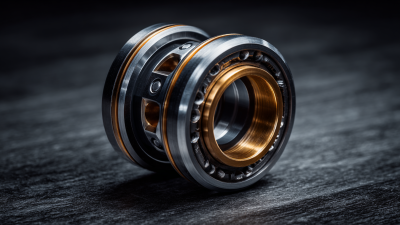
Top Miniature Bearings for Global Buyers How to Choose?
In the world of precision engineering, choosing the right miniature bearing is crucial. Dr. Emily Hartman, a renowned expert in the field, once said, "Selecting the right miniature bearing can significantly impact the performance of your device." This statement underscores the importance of this often-overlooked component.
Miniature bearings play a vital role in many applications, from small motors to intricate robotics. Their size allows them to fit in tight spaces while ensuring smooth operation. However, not all miniature bearings are created equal. Factors such as material, load capacity, and lubrication can make a significant difference. Buyers must carefully evaluate these aspects to avoid performance issues later.
Navigating the miniature bearing market can be tricky. Many options are available, but not every choice fits your needs. It's essential to ask the right questions and seek advice from industry experts. Remember, making an informed decision is not just about finding the cheapest option; it's about longevity and reliability in your projects.

Understanding the Basics of Miniature Bearings
Miniature bearings play a vital role in various applications, from robotics to precision equipment. They are designed to support axial and radial loads while minimizing friction. Understanding some key factors about these bearings is essential for making informed choices.
The size of miniature bearings typically ranges from 1mm to 10mm in inner diameter. They are often made from materials like stainless steel or ceramic for durability and performance. According to a recent market report, the global miniature bearing market is projected to grow at a CAGR of approximately 4.9% over the next five years. This growth indicates an increasing demand across multiple industries, showcasing the bearings' versatility.
Choosing the right miniature bearing is not just about measurements. Load ratings, speed specifications, and environmental factors also matter. For example, a bearing must endure various speeds while maintaining low noise levels. Some buyers tend to overlook these specifications, leading to premature failure. It’s crucial to scrutinize technical data carefully and seek professional advice when necessary, as overlooking critical details can result in costly mistakes.
Top Miniature Bearings Sales by Type (2023)
This chart displays the sales data of various types of miniature bearings for the year 2023, highlighting the popularity and market demand for each type of bearing among global buyers. The data shows that Ball Bearings lead in sales, followed by Roller and Needle Bearings.
Key Applications of Miniature Bearings in Various Industries
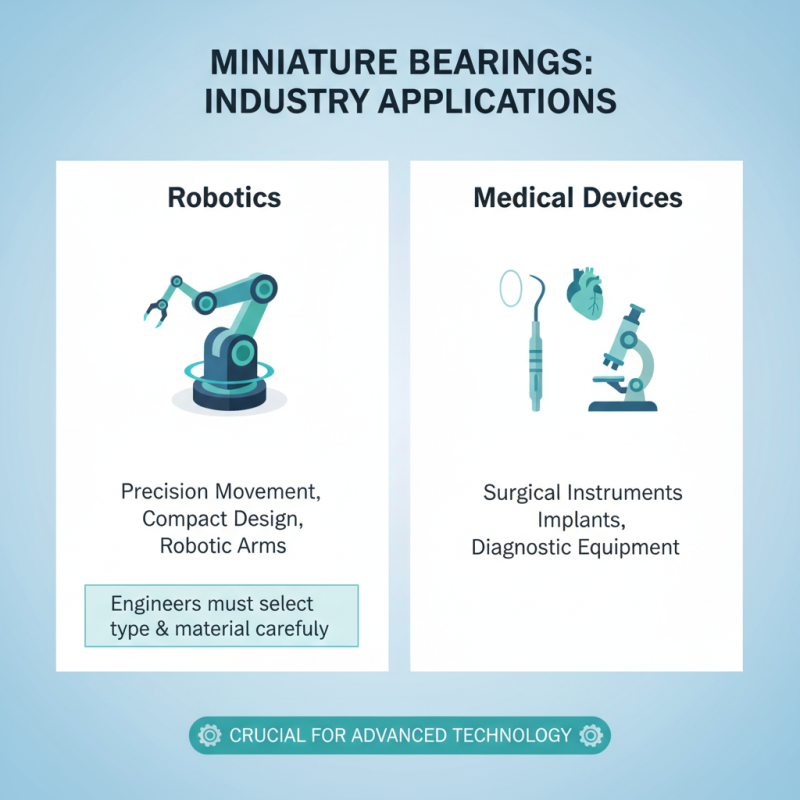
Miniature bearings find crucial applications across various industries, notably in robotics and medical devices. In robotics, these bearings support precision movement and contribute to the compact design of robotic arms. Engineers must carefully select the right type, as different robots require different specifications. The choice of materials can significantly impact performance, yet many overlook this detail.
In the medical sector, miniature bearings are essential in devices like surgical instruments and diagnostic machines. They enable smooth operation, ensuring reliability during critical procedures. However, not all miniature bearings provide the same level of precision and durability. Users often face challenges when evaluating options, leading to less-than-optimal choices.
More industries are now discovering the potential of miniature bearings for improvements in efficiency. Yet, companies frequently make mistakes by not considering the load capacity and speed ratings. Understanding these factors is vital for maximizing performance. While the variety available offers flexibility, it also adds complexity to decision-making. Balancing these elements is key to successful application in any field.
Factors to Consider When Choosing Miniature Bearings
When selecting miniature bearings, various factors play a crucial role.
Size and load capacity are primary considerations. Miniature bearings often have limited space and weight allowances.
It's essential to match the bearing size with the application requirements. According to an
industry report from MarketsandMarkets,
the global miniature bearing market is projected to grow at a CAGR of 5.6% , indicating increasing demand in various sectors.
Material choice significantly affects performance.
Stainless steel bearings are durable, while ceramic options offer lightweight benefits.
The environment in which the bearings operate also matters. High humidity or exposure to chemicals can lead to premature failure.
It’s crucial to assess the operating conditions to ensure longevity. Some users overlook precision tolerances,
which can impact efficiency. A slight mismatch here can lead to increased friction and heat generation.
While many buyers focus on cost, quality should never be sacrificed.
Poor-quality bearings can lead to increased maintenance expenses in the long run.
It's advisable to consult with industry experts or obtain technical data to better understand your specific needs.
The ideal selection process should involve careful consideration and possibly revisiting initial choices for improved outcomes.
Future Trends in Miniature Bearings: What to Expect?
The demand for miniature bearings is on the rise. Insights from recent industry reports indicate that the global miniature bearings market is projected to reach $4 billion by 2027, growing at a CAGR of 5% from 2022. This growth is driven by advancements in automation and increasing applications in sectors like aerospace and robotics.
Future trends suggest a shift toward increasing the performance and longevity of miniature bearings. Manufacturers are focusing on high-quality materials that can withstand extreme conditions. For example, bearings designed with ceramics or advanced polymers are becoming more prevalent. Additionally, the trend toward customization is pivotal. Buyers are looking for specific dimensions or features tailored to their unique applications.
Despite the optimistic outlook, challenges remain. Many manufacturers face difficulties in scaling production while ensuring quality. Moreover, the environmental impact of bearing production is under scrutiny. Companies need to balance innovation with sustainability. As the market evolves, staying informed about these trends while addressing manufacturing challenges is essential for global buyers.
Top Miniature Bearings for Global Buyers - Future Trends in Miniature Bearings: What to Expect?
| Bearing Type |
Material |
Load Capacity (kg) |
Operating Temperature (°C) |
Application |
| Ball Bearing |
Stainless Steel |
15 |
-40 to 120 |
Electric Motors |
| Miniature Roller Bearing |
Ceramic |
10 |
-50 to 150 |
Robotics |
| Thrust Bearing |
Bronze |
25 |
-40 to 100 |
Industrial Machinery |
| Deep Groove Ball Bearing |
Chrome Steel |
20 |
-30 to 150 |
Automotive |
| Angular Contact Bearing |
Polymer |
12 |
-40 to 80 |
Aerospace |