Choosing the right Metric Bearing manufacturer can influence machine accuracy, service life, and maintenance costs. A bearing may look like a small component, yet it supports rotating shafts under constant pressure. In automotive equipment, robotics, pumps, and production lines, a poor choice can create noise, heat, vibration, and unexpected downtime.
This guide examines leading Metric Bearing manufacturers and suppliers through practical industry criteria. These include dimensional consistency, material quality, load ratings, sealing technology, certification, delivery capability, and technical support. We also consider whether suppliers provide clear catalogs, traceable products, and useful engineering guidance. Real-world performance matters more than impressive marketing language. A bearing that survives a clean laboratory test may behave differently in dust, moisture, or continuous production.
Details matter.
The evaluation also recognizes an uncomfortable fact: no single supplier is ideal for every application. A global brand may offer dependable quality but higher prices. A regional supplier may provide faster delivery and more flexible communication. However, its documentation may require closer review. Product availability can change, and online specifications are not always complete. Therefore, buyers should compare verified data, sample performance, warranty terms, and after-sales support before making a decision. Where possible, engineers should test bearings under actual operating conditions. This approach supports more reliable purchasing decisions and reduces the risk of choosing solely by price, reputation, or habit.
Metric bearings use millimetre-based dimensions for bore, outside diameter, and width. They are not simply smaller versions of imperial bearings. Their fit depends on shaft tolerance, housing accuracy, operating temperature, and load direction. ISO 15 defines boundary dimensions for many radial rolling bearings, while ISO 281 provides methods for estimating rating life.
Their applications are broad. Electric motors often use deep-groove ball bearings for quiet, continuous rotation. Conveyor rollers may require sealed units that resist dust and lubricant loss. Machine tools demand tighter runout control, while agricultural equipment needs stronger sealing against mud and moisture. According to Fortune Business Insights, the global ball bearing market reached approximately 20.47 billion dollars in 2023. The report forecasts continued growth through 2032, driven partly by automation, transportation, and industrial machinery.
Supplier selection should examine more than catalog size. Traceable material certificates, dimensional inspection, lubricant compatibility, and batch-level quality records reveal manufacturing discipline. A useful supplier should also explain clearance classes and expected operating life, not only quote a low price. In field maintenance, incorrect internal clearance is a frequent hidden cause of heat, noise, and early failure. Still, rating-life calculations are estimates. Misalignment, vibration, contamination, and installation force can reduce real service life sharply. That limitation deserves more attention. A technically strong supplier supports application review, provides consistent metric tolerances, and documents testing against recognized standards.
Choosing among metric bearing manufacturers and suppliers requires more than comparing unit prices. Start with dimensional accuracy, load ratings, speed limits, sealing options, and operating temperatures. A reliable supplier should provide clear technical drawings and current test data. Ask whether each bearing matches your shaft diameter, housing fit, lubrication plan, and expected duty cycle.
Traceability is equally important. Look for batch numbers, material certificates, inspection records, and documented quality procedures. Certification can support confidence, but it should not replace practical verification. Request samples and measure bore size, radial play, surface finish, and rotation noise before placing a large order. A bearing that feels smooth by hand may still fail under heat or vibration.
Evaluate delivery capability with the same care. Review lead times, minimum order quantities, packaging, storage guidance, and replacement policies. Technical support matters when loads change or contamination appears on the production floor. Experienced suppliers can explain failure patterns without hiding uncertainty. Their answers should be specific, not merely promotional.
No scorecard is perfect. A low-cost option may become expensive after repeated downtime. A famous certification may reveal little about daily inspection discipline. I would compare at least three suppliers using identical questions and real operating data. Then I would record what remains unclear, because overlooked details often become the first maintenance problem.
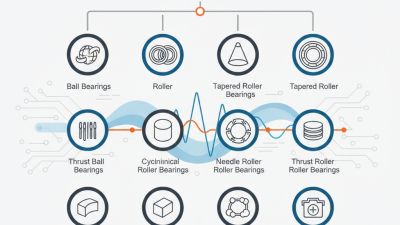
Leading global metric bearing manufacturers serve automotive, robotics, industrial machinery, and energy equipment. Their catalogs cover deep-groove ball bearings, tapered rollers, cylindrical rollers, and miniature designs. Metric dimensions follow standardized bore, outside diameter, and width codes, helping engineers replace parts accurately. In practical sourcing, tolerance class matters as much as size. A bearing that fits may still create vibration, heat, or premature wear. That lesson is often learned on a noisy production line.
Reliable manufacturers typically combine controlled steel chemistry, precision grinding, automated inspection, and traceable batch records. They test hardness, radial clearance, noise, and fatigue performance under defined conditions. Leading suppliers also publish load ratings, limiting speeds, lubrication guidance, and mounting instructions. These details help maintenance teams compare products without relying on packaging claims. However, global reach does not guarantee equal service in every region. Local inventory, technical support, and replacement lead times deserve careful checking.
Experienced buyers should match the bearing to real loads, shock, speed, moisture, and operating temperature. Seals may protect against dust, while open designs can support relubrication in controlled systems. Ceramic or special coatings can solve specific electrical or high-speed problems, but they can also raise cost unnecessarily. I would not select by unit price alone. Supplier audits, sample testing, and installation feedback reveal weaknesses that catalogs may hide. Even respected producers can experience inconsistencies, so incoming inspection remains sensible for critical equipment.
| Metric Bearing Category | Common Metric Size Range | Primary Load Capability | Typical Precision Classes | Common Materials | Typical Applications | Relevant International Standards |
|---|---|---|---|---|---|---|
| Deep Groove Ball Bearings | Bore diameters commonly from 3 mm to over 600 mm | Combined radial and moderate axial loads | Normal, P6, P5, P4, and P2 grades | Chrome steel, stainless steel, ceramic hybrid options | Electric motors, pumps, gearboxes, conveyors, household equipment | ISO 15, ISO 492, ISO 199, ISO 5753-1 |
| Angular Contact Ball Bearings | Bore diameters commonly from 10 mm to 500 mm | High radial loads and axial loads in one direction or both directions when paired | P6, P5, P4, and P2 grades for precision equipment | Chrome steel, stainless steel, ceramic hybrid options | Machine-tool spindles, pumps, compressors, robotics, precision gear systems | ISO 15, ISO 492, ISO 199, ISO 5753-1 |
| Tapered Roller Bearings | Metric bore diameters commonly from 15 mm to over 1,000 mm | High radial and axial loads, generally requiring adjustment or paired installation | Standard manufacturing tolerances with application-specific clearance control | Through-hardened or case-hardened bearing steel | Vehicle wheel ends, transmissions, industrial gearboxes, mining machinery | ISO 355, ISO 492, ISO 582, ISO 281 |
| Cylindrical Roller Bearings | Bore diameters commonly from 10 mm to over 1,200 mm | Very high radial loads and high stiffness; axial capacity depends on flange design | Normal, P6, P5, and higher precision grades | Chrome steel, carburized steel for heavy-duty service | Electric motors, generators, rolling mills, gearboxes, heavy industrial equipment | ISO 15, ISO 492, ISO 199, ISO 5753-1 |
| Spherical Roller Bearings | Bore diameters commonly from 20 mm to over 1,500 mm | High radial loads, moderate axial loads, and tolerance for shaft misalignment | Standard classes with application-specific internal clearance options | Chrome steel, brass or steel cages, specialized heat-treated components | Mining, construction, paper processing, conveyors, wind and power equipment | ISO 15, ISO 492, ISO 199, ISO 5753-1 |
| Needle Roller Bearings | Bore diameters commonly from 5 mm to approximately 500 mm | High radial load capacity in a compact radial cross-section | Standard and precision grades based on design and application | Chrome bearing steel, stainless steel for corrosion-resistant designs | Automotive transmissions, planetary gears, pumps, compressors, aerospace mechanisms | ISO 3245, ISO 492, ISO 199 |
| Thrust Ball Bearings | Metric shaft diameters commonly from 10 mm to over 600 mm | Axial loads in one or both directions; limited radial load capability | Normal and precision grades depending on speed and axial positioning needs | Chrome steel, stainless steel, brass or pressed-steel cages | Screw drives, vertical shafts, automotive systems, low-speed positioning equipment | ISO 104, ISO 492, ISO 199 |
| Spherical Plain Bearings | Metric bore diameters commonly from 5 mm to over 500 mm | Oscillating radial, axial, or combined loads with angular misalignment capability | Dimensional and running-clearance classes specified by design type | Hardened bearing steel, stainless steel, bronze, and self-lubricating liner materials | Hydraulic cylinders, suspension systems, agricultural equipment, aerospace linkages | ISO 12240-1, ISO 12240-2, ISO 492 where applicable |
Specialized and Regional Metric Bearing Suppliers
When a machine needs a 12 mm bore bearing, a general catalog may not be enough. Specialized suppliers often stock uncommon metric sizes, sealed variants, corrosion-resistant materials, and high-temperature designs. Their technical teams can review load direction, speed, housing fit, and operating temperature before recommending a part. This practical exchange reduces guesswork during maintenance.
Regional suppliers add value through shorter delivery routes and local application knowledge. They may understand seasonal humidity, dust exposure, or common equipment used by nearby factories. Many provide inspection reports, dimensional checks, material certificates, and traceable lot information. These documents matter when a bearing enters food-processing equipment, medical machinery, or precision automation. A reliable supplier should explain tolerance classes plainly, not hide behind broad performance claims. Ask about order quantities, replacement availability, storage conditions, and return procedures.
Online directories can widen the search, but convenience can mislead. A low price may exclude testing, technical support, or proper packaging. I once treated a dimensional match as a complete solution. It was not. The fit looked right, yet the lubricant failed under heat. That mistake showed why supplier evaluation needs real operating data. Compare samples when possible, verify measurements with calibrated tools, and record service results after installation. Even experienced buyers should question familiar assumptions.
Choosing a metric bearing manufacturer requires more than comparing catalog prices. Product quality begins with steel cleanliness, heat treatment, raceway finish, seal design, and dimensional consistency. Reputable suppliers should provide inspection data, material certificates, and clear load ratings. These details matter when a bearing runs near its speed limit or faces dust, moisture, and repeated shock loads. In practical purchasing work, I have found that a polished datasheet cannot replace a sample test. Small differences become visible after hours of heat and vibration.
Pricing should include more than the unit cost. Freight, minimum order quantities, tooling charges, replacement time, and warranty handling can change the real figure. Availability also deserves careful checking. A supplier may list a bearing as available, yet hold only a few pieces in another warehouse. Confirm stock location, production lead time, packaging, and batch consistency before approving a purchase. Technical support is another useful measure. Skilled representatives can help calculate loads, select clearance, explain lubrication limits, and respond with drawings quickly. Still, support quality can vary by region and workload.
Tips: Request three quotes. Compare landed cost, not price alone. Ask for a recent inspection report and a production date. Test one batch before placing a large order. Do not assume the cheapest option is economical. My own judgment has occasionally favored fast delivery over long-term consistency, and that trade-off was not always wise. Availability feels urgent, but unreliable quality creates a quieter, larger expense.