Top Hardware Bearing Types Buyers Need to Know?
Hardware bearings are essential components in various machinery and equipment. Understanding the different types of hardware bearings can significantly impact efficiency and performance. Buyers often face challenges when selecting the right bearings due to the abundance of options.
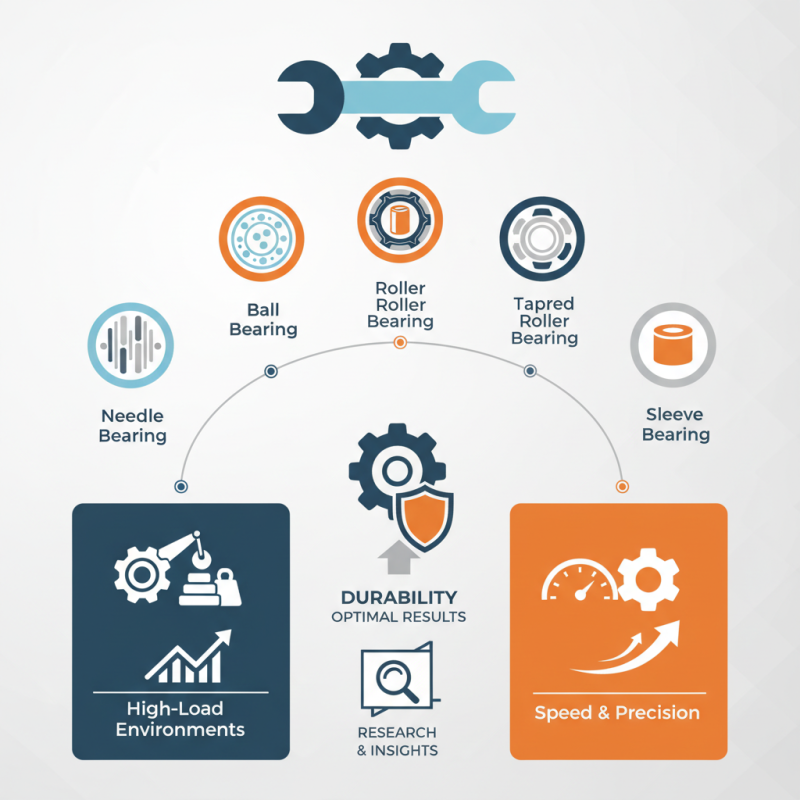
The right choice can enhance the durability of machines. Different hardware bearing types serve specific purposes. Some bearings excel in high-load environments, while others cater to speed and precision. It is crucial to match the bearing type with the application for optimal results.
Yet, many buyers overlook important details in this selection process. A lack of knowledge can lead to costly mistakes. It is essential to research and gain insights into each bearing type's features and benefits. This awareness ensures informed decisions. Remember, the right hardware bearing can make a substantial difference in performance and longevity.
Types of Bearings: An Overview of Key Categories
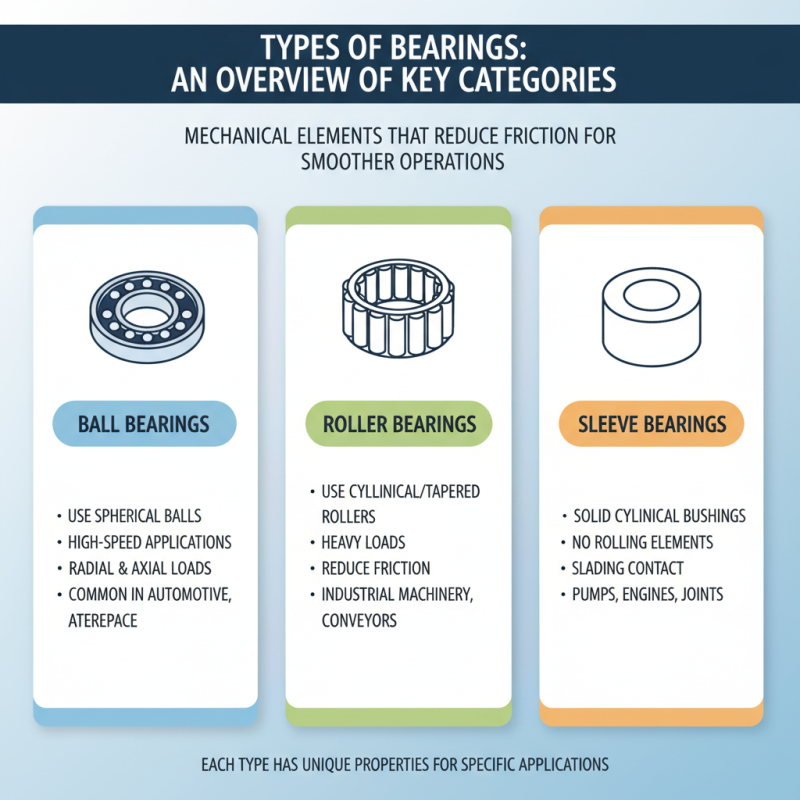
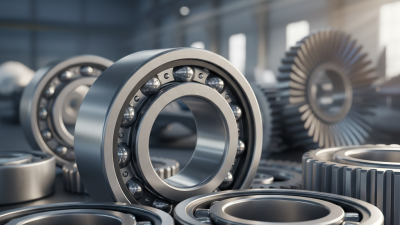
When exploring the world of bearings, it's crucial to understand their various types. Bearings are mechanical elements that reduce friction between moving parts. This results in smoother operations for machinery in many industries. Key categories include ball bearings, roller bearings, and sleeve bearings, each with unique properties.
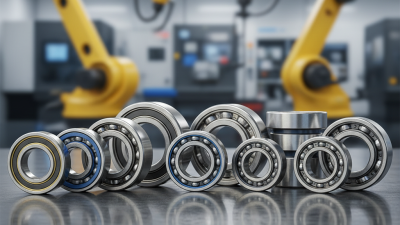
Ball bearings are perhaps the most recognized type. They use balls to maintain the separation between moving parts. This design allows for high rotational speeds with low friction. However, they may not handle heavy loads as well as other types. Roller bearings utilize cylindrical rollers, which distribute weight more effectively. While they excel under load, they can create more friction than ball bearings.
Another common category is sleeve bearings. These are simple and often cost-effective, making them suitable for various applications. They're typically found in lower-speed environments. However, they may wear out faster without proper lubrication. Each type of bearing has its strengths and weaknesses, promoting thoughtful selection based on specific needs. Balancing performance and durability is vital.
Understanding Radial Bearings and Their Applications
Radial bearings are essential components in various mechanical systems. Their primary function is to support rotating shafts, allowing for smooth motion. These bearings use steel balls or rollers that sit between inner and outer rings. This design helps distribute weight evenly, reducing friction and wear over time.
In applications like automotive engines and industrial machinery, radial bearings offer reliability and efficiency. They handle both radial and axial loads effectively. However, not all radial bearings are created equal. Choosing the wrong type can lead to premature failure. Factors such as operating conditions and load capacity matter greatly.
Understanding radial bearings goes beyond basic definitions. They play a critical role in performance and longevity of machines. Regular maintenance is key to ensure their functionality. Ignoring wear signs may result in costly repairs. In high-speed applications, for instance, overheating and lubrication failures can be major issues. So, knowing when to replace them is vital for optimal performance.
Top Hardware Bearing Types Buyers Need to Know
This chart illustrates the market demand for various types of hardware bearings. As seen, roller bearings lead in demand, followed by ball bearings and needle bearings. Understanding these trends can help buyers make informed purchasing decisions.
Exploring Thrust Bearings and Their Unique Functions
Thrust bearings play a crucial role in various mechanical applications.
They are designed to handle axial loads,
helping to support heavy loads along the axis of a shaft. These bearings are essential in machines like
turbines and automotive transmissions. Their unique function is to provide stability and reduce friction.
This improves overall operational efficiency and extends machinery life.
There are different types of thrust bearings, each serving specific purposes. For example,
roller thrust bearings distribute loads over a larger surface area,
reducing wear. On the other hand, plain thrust bearings rely on
fluid lubrication for operation. While they are often efficient, maintenance is vital. Neglecting this
can lead to premature failures, causing costly downtime.
Choosing the right thrust bearing requires careful consideration of
the application. Factors like load capacity, speed, and environmental conditions are critical.
It’s a complex decision that can have significant ramifications. Selecting improperly could result
in inadequate support, leading to potential machinery breakdowns. Therefore, it’s
essential to fully understand the unique functions and characteristics of thrust bearings.
The Role of Sleeve Bearings in Machinery Operations
Sleeve bearings play a crucial role in various machinery operations. These cylindrical components provide support and reduce friction between rotating shafts and stationary parts. They are often made from materials like bronze, plastic, or composite materials. Their design allows for smooth movement, which is essential in many applications, including motors and pumps.
The simplicity of sleeve bearings is both an advantage and a limitation. They are easy to install and maintain, yet they may not perform well under heavy loads or extreme conditions. Over time, sleeve bearings can wear down. This wear can lead to increased friction and potential machinery failure. Regular inspections can help identify issues before they escalate.
In some instances, users may overlook the importance of lubrication in sleeve bearing performance. Adequate lubrication is vital for longevity. Without it, heat builds up and can cause significant damage. Finding the right balance between load, speed, and lubrication is key. Awareness of these factors can lead to more reliable operations in machinery using sleeve bearings.
Top Hardware Bearing Types Buyers Need to Know? - The Role of Sleeve Bearings in Machinery Operations
| Bearing Type |
Material |
Load Capacity (kg) |
Operating Temperature (°C) |
Typical Applications |
| Sleeve Bearing |
Bronze |
500 |
-40 to 150 |
Electric Motors, Fans |
| Ball Bearing |
Steel |
3000 |
-20 to 120 |
Automotive, Appliances |
| Roller Bearing |
Chrome Steel |
4000 |
-30 to 150 |
Industrial Machinery |
| Needle Bearing |
Stainless Steel |
2800 |
-10 to 120 |
Construction Equipment |
Selecting the Right Bearing Types for Specific Applications
Selecting the right bearing type is crucial for performance. Each application has unique requirements that dictate the ideal choice. For high-speed applications, deep groove ball bearings often provide the needed balance between speed and load capacity. They are versatile and widely used in motors and generators. Their ability to handle both radial and axial loads makes them a popular option.
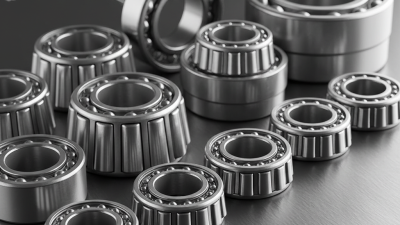
In contrast, for heavy-duty applications, tapered roller bearings may be better suited. These bearings excel at carrying heavy loads and can manage higher thrust forces. They are frequently found in automotive and industrial machinery. Matching the bearing type to the specific conditions of use will enhance overall system performance.
It's essential to consider environmental factors too, such as temperature and moisture. Some bearings are designed to operate under harsher conditions, while others may falter. An inappropriate selection can lead to premature failure, increased wear, and costly downtime. Proper selection requires understanding the needs and limitations of both the bearing and the application itself.