Essential Tips for Insert Bearing Selection and Usage?
When selecting insert bearings, understanding their specifications and applications is crucial. Insert bearings offer versatility in various industrial settings. Their design aids in providing smooth, efficient motion. Knowing how to choose the right insert bearing ensures optimal performance and longevity.
One must consider factors like load capacity and operating conditions. Each application has unique requirements that can affect bearing performance. It's important to match the insert bearing with the specific machinery. Misalignment or incorrect sizing can lead to quick failure and costly repairs.
In the world of insert bearings, experience matters. Many users encounter challenges in selection and maintenance. These experiences can provide valuable lessons. Reflecting on these can improve future choices. A well-informed decision leads to better productivity and reduced downtime. Ensuring the right fit is not just a preference; it's a necessity for effective machinery operation.
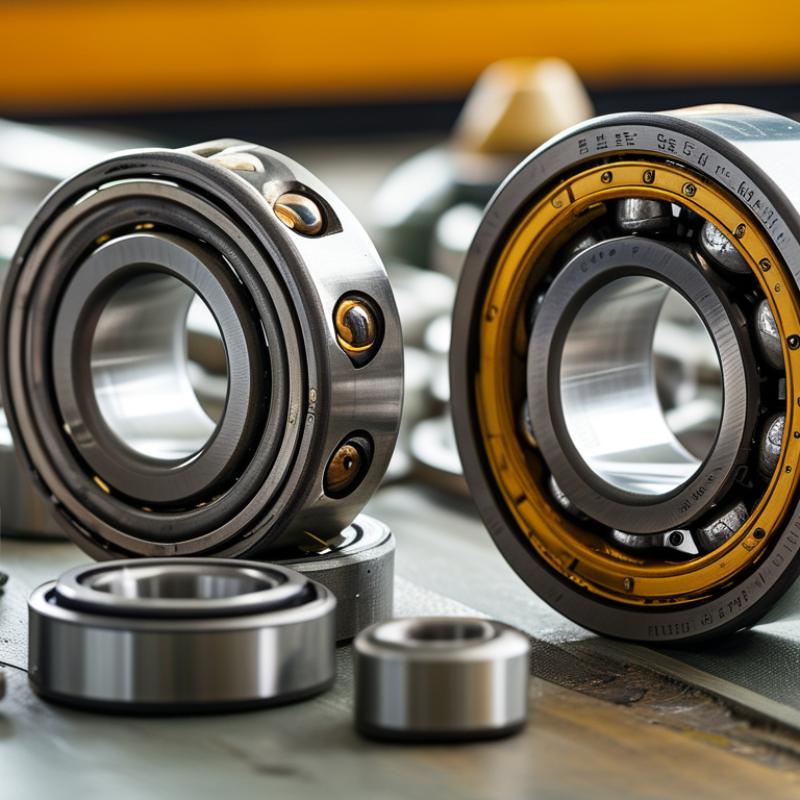
Understanding the Function of Insert Bearings in Machinery
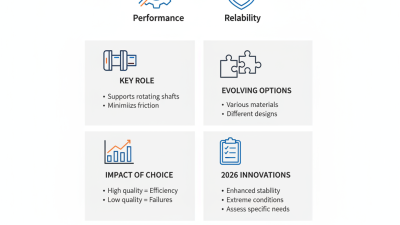
Insert bearings play a critical role in machinery function. They support rotating shafts, providing a smooth surface for motion. Their design often allows for easy replacement, which saves time and maintenance costs. Understanding the specifics of insert bearings enhances their longevity and efficiency.
When selecting insert bearings, consider load capacity and environmental factors. Different applications may require unique materials. For example, harsh conditions might demand corrosion-resistant options. It's essential to assess the intended use to ensure optimal performance. However, this assessment can be complex. Overlooking specific requirements might lead to premature failure or inefficiencies.
Proper installation is equally important. A misaligned bearing might cause excessive wear. Routine inspections can help identify issues early. It’s useful to have guidelines for checking wear patterns. However, it's not always straightforward. Many users might skip regular checks, resulting in unexpected breakdowns. Thus, balancing proactive measures with user diligence remains a challenge in maintaining machinery health.
Types of Insert Bearings and Their Applications
Insert bearings are essential components in various machinery applications. They provide support for rotating shafts and reduce friction. Different types of insert bearings include pillow block, flanged, and take-up bearings. Each type has specific applications that enhance performance and efficiency. For example, pillow block bearings are often used in conveyor systems to support heavy loads.
When selecting insert bearings, consider the load capacity and operating conditions. Choose the right material to ensure durability. Remember to assess the lubrication type needed for smooth operation. Install bearings correctly to prevent early failure. Regularly inspect bearings and surrounding components for wear and tear.
Proper usage is crucial. Extreme temperatures can affect bearing performance. Ensure that the insertion fits the housing snugly to minimize vibration. Misalignments may lead to shorter bearing life. Recognizing these factors can improve machinery longevity and reliability. Understanding these details will lead to better decision-making in your bearing selections.
Essential Tips for Insert Bearing Selection and Usage
| Type of Insert Bearing |
Material |
Load Capacity (kg) |
Speed Limit (RPM) |
Typical Applications |
| Self-Aligning Insert Bearing |
Chrome Steel |
500 |
3000 |
Agricultural Equipment, Conveyor Systems |
| Insert Bearing with Flange |
Stainless Steel |
400 |
2500 |
Electric Motors, Robotics |
| Pillow Block Insert Bearing |
Cast Iron |
700 |
2000 |
Agricultural Machinery, Industrial Fans |
| Deep Groove Insert Bearing |
Polymer |
300 |
4000 |
Home Appliances, Automotive Parts |
Key Factors to Consider When Selecting Insert Bearings
Choosing the right insert bearing is crucial for any mechanical assembly. It affects performance, longevity, and reliability. A thorough understanding of specific application requirements is essential. Factors like load capacity, speed, and operating temperature must be evaluated closely. For instance, a higher load capacity is necessary for heavy machinery, while precise speed ratings are vital for high-speed applications.
Material selection is another critical aspect. For example, steel inserts may offer durability, but ceramic options can reduce friction. Environmental factors also play a role. If bearings will be exposed to moisture or chemicals, corrosion-resistant materials may be needed. It’s also important to consider the mounting type. Failure to ensure compatibility here can lead to premature wear or damage.
Bear in mind that choosing insert bearings isn’t always straightforward. Sometimes, manufacturers provide general guidelines, but they may not fit every unique situation. Users must be proactive. Assessing past performance of similar products can help decisively. Ensuring a good fit between the bearing and the housing can prevent future issues. Testing different configurations might also reveal beneficial insights.
Best Practices for Installing Insert Bearings
When installing insert bearings, attention to detail can drastically influence performance. Ensure that the housing is clean and free of debris to avoid misalignment. A 2021 report showed that improper installation can lead to a 30% increase in wear, significantly diminishing bearing life. The orientation of the insert bearing is also critical. Improper angles can create uneven load distribution, resulting in premature failure.
Lubrication is key in the installation process. A 2022 study indicated that 75% of bearing failures stem from inadequate lubrication practices. Proper greasing reduces friction and enhances operational smoothness. It’s recommended to apply the appropriate lubricant as per manufacturer specifications. Additionally, avoid over-greasing, as it may lead to excessive pressure buildup.
Regular monitoring post-installation can uncover potential issues early. Implementing a maintenance schedule allows for timely inspections and adjustments. This practice not only prolongs the bearing's life but also enhances overall machinery performance. An effective approach can yield a 40% increase in operational efficiency and reliability, highlighting the need for diligent practices in insert bearing usage.
Maintenance and Troubleshooting Tips for Insert Bearings
When it comes to insert bearings, regular maintenance is crucial. Inspect them regularly for signs of wear or damage. Look for surface pitting, discoloration, or unusual noise. These can indicate potential failure. If you notice any issues, it’s vital to address them immediately to prevent further complications.
Lubrication plays a significant role in the lifespan of insert bearings. Ensure the right type and amount of lubricant are used. Too much can lead to overheating. Too little can cause friction and wear. Use a grease gun to apply lubricant efficiently. Always clean the bearings before reapplication. This practice helps remove dirt and debris, promoting smoother operation.
Troubleshooting can be daunting. Sometimes, the problem isn’t obvious. If the bearing overheats, check the alignment. Misalignment can lead to excess heat and premature failure. Vibration can signal an issue too. This often means the bearing is not seated correctly. Always consider these factors before making replacements. Addressing these issues early can save time and resources in the long run.
Essential Tips for Insert Bearing Selection and Usage
This chart illustrates the frequency of common issues encountered during the usage of insert bearings, based on survey data from maintenance professionals.