How to Source Japan Bearing for Your Business Needs?
In the competitive landscape of manufacturing, sourcing high-quality Japan bearing is crucial for many businesses. Japan is renowned for precision engineering, particularly in bearing production. According to a report by the Japan Bearing Manufacturers Association, the market for bearings in Japan is expected to grow steadily, projected to reach over $4 billion by 2025. This growth highlights the importance of sourcing bearings that meet rigorous quality standards.
Dr. Hiroshi Tanaka, a leading expert in the Japanese bearing industry, emphasizes the significance of strategic sourcing. He asserts, "Investing time in understanding supplier capabilities ensures long-term success." This perspective is vital for companies looking to enhance their operations through reliable components. However, sourcing can be challenging. Not all suppliers meet industry standards. A thorough assessment of potential partners is essential.
Additionally, businesses must explore various sourcing strategies. Some options include direct purchasing from manufacturers or collaborating with local distributors. Each choice has its pros and cons. A careful consideration of these factors can lead to better supply chain performance. Ultimately, the right approach to sourcing Japan bearing can be a game-changer for your business.
Understanding the Types of Bearings Available in Japan
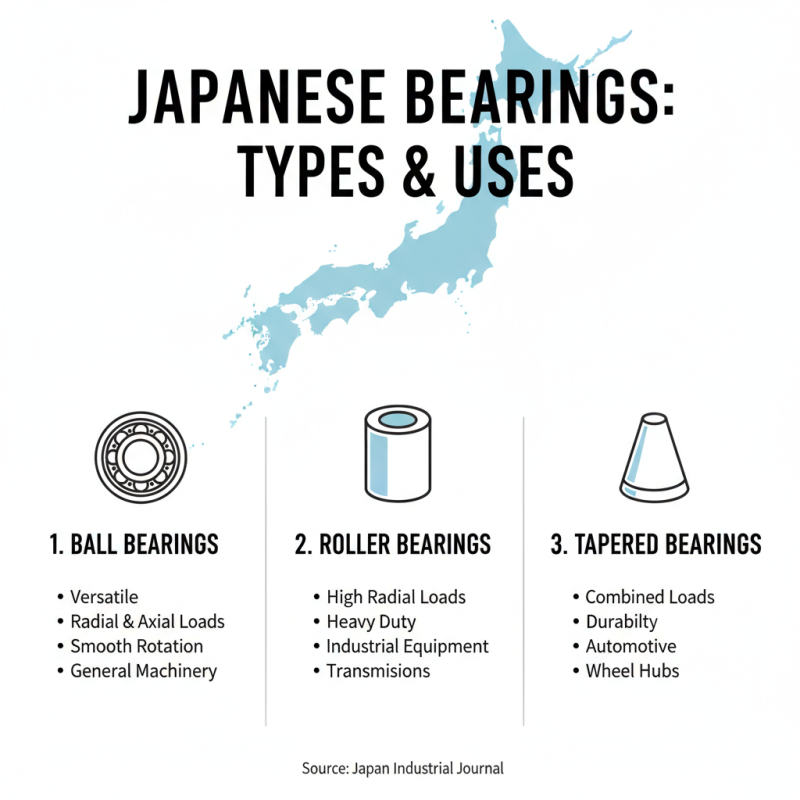
When sourcing bearings in Japan, understanding the types available is essential. Japan offers a wide range of bearings, each designed for specific applications. For example, ball bearings are popular due to their versatility and ability to handle both radial and axial loads. These are commonly used in machinery where smooth rotation is crucial.
Roller bearings are another type. They provide a larger contact surface and are ideal for heavy loads. These bearings can be cylindrical, spherical, or tapered. Tapered roller bearings, for example, can handle higher speeds and are effective in automotive applications. However, they require precise installation to function optimally, which can be a potential pitfall if overlooked.
Lastly, angular contact bearings should be noted. They allow for higher axial loads and are often utilized in high-performance environments. They come in sets, meaning more care is needed during assembly. Each type serves a unique purpose, and potential buyers must consider their specific needs carefully. Ensuring that the right bearing type is selected can significantly impact performance and durability.
Evaluating Quality Standards and Certifications for Japanese Bearings
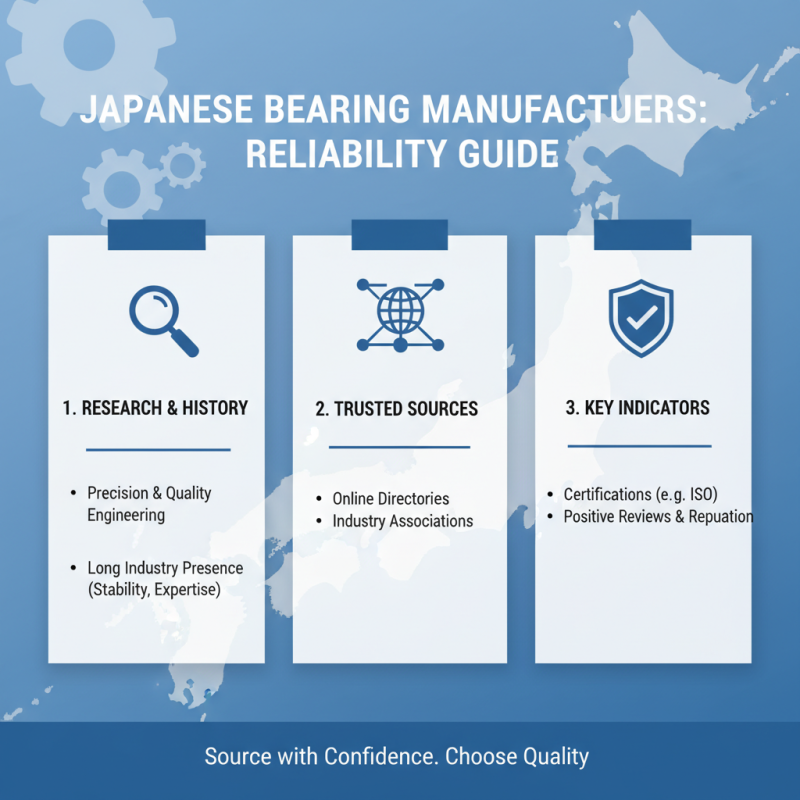
When sourcing bearings from Japan, understanding quality standards is crucial. Japanese manufacturers are renowned for their rigorous quality control processes. Many adhere to the JIS (Japanese Industrial Standards), which outlines specific technical requirements. Products meeting these standards generally exhibit superior performance and durability. According to the Japan Bearing Industry Association, the average failure rate for Japanese bearings is remarkably low, often under 1% within the first year of use. This statistic speaks volumes about the meticulous engineering behind these products.
Certifications also play a vital role in evaluating bearing quality. ISO 9001 certification is a common benchmark among Japanese manufacturers. This certification indicates a commitment to consistent quality management systems. Moreover, using bearings that meet certain environmental standards, like ISO 14001, reflects a manufacturer’s responsibility to sustainability. However, not all manufacturers may have these certifications, which can complicate the sourcing process. Screening suppliers based on their certifications helps mitigate risks. Inspecting the documentation provided can sometimes reveal discrepancies that need addressing before a purchase is made.
Establishing Effective Communication with Japanese Bearings Suppliers
Effective communication with Japanese bearing suppliers is crucial for any business seeking quality products. Understanding cultural nuances can enhance your interactions. Japanese business culture places high value on respect and politeness. When initiating contact, a formal tone in emails and calls is essential. Use appropriate honorifics when addressing contacts. This demonstrates your respect for their culture.
Listening is as important as speaking. Allow suppliers to express their thoughts fully. This shows you value their input. Avoid interrupting or rushing the conversation. Patience often leads to better understanding and outcomes. Having a translator or language tools can help overcome barriers. However, always strive for clarity in your communication.
Be prepared for potential misunderstandings. Differences in communication styles may lead to confusion. For instance, a “yes” may not always mean agreement. It might simply signify understanding. Take note of such subtleties. Follow up discussions with written summaries. This ensures both parties are aligned and reduces chances of errors in orders or specifications. Clear documentation becomes a reliable reference to maintain effective dialogue.
Japanese Bearing Market Analysis
This bar chart illustrates the annual sales volume of various types of bearings available in the Japanese market. The data shows that ball bearings have the highest sales volume, followed by roller bearings, while tapered bearings have the lowest sales volume.
Logistics and Import Regulations for Sourcing Bearings from Japan
Sourcing bearings from Japan can be a complex task. First, understanding the logistics involved is crucial. The shipping process can vary significantly based on the type of bearing and the destination. Lead times can be longer than expected, depending on customs clearance and transportation. Always assess your supply chain to ensure timely delivery.
When importing bearings, regulations play a critical role. Japan has strict quality standards. Confirm that the bearings comply with international norms. Documentation is key; ensure all import paperwork is in order to avoid delays. There can be additional tariffs based on the bearing type. Engage with a local expert who understands these regulations. They can provide valuable insights and prevent costly mistakes.
Communication is essential in this process. Sometimes, there are language barriers that complicate negotiations. Establish clear lines of communication with suppliers. Direct conversations can clarify expectations and build trust. Reflection on past sourcing experiences can help improve future efforts. Identifying these pain points can lead to better decisions down the line.
How to Source Japan Bearing for Your Business Needs? - Logistics and Import Regulations for Sourcing Bearings from Japan
| Bearing Type |
Material |
Specifications |
Unit Price (USD) |
Lead Time (Days) |
Import Regulations |
| Deep Groove Ball Bearing |
Chrome Steel |
6201 (12mm x 32mm x 10mm) |
1.50 |
15 |
Standard Compliance required |
| Angular Contact Ball Bearing |
Stainless Steel |
7001 (12mm x 28mm x 8mm) |
3.75 |
20 |
Certificates of Origin needed |
| Tapered Roller Bearing |
Carbon Steel |
30205 (25mm x 52mm x 16.25mm) |
2.10 |
30 |
Import Licenses required |
| Self-Aligning Ball Bearing |
Bronze |
1205 (25mm x 52mm x 15mm) |
4.00 |
25 |
Duties may apply |