What is a Pillow Block Bearing and How Does It Work?
Pillow block bearings are crucial components in various mechanical systems. They support rotating shafts and reduce friction, enhancing efficiency. According to a report from MarketsandMarkets, the global bearing market is projected to reach $179.41 billion by 2026, driven by the increasing demand for precision machinery.
These bearings come in various designs and materials, tailored for specific applications. Industries like automotive, aerospace, and manufacturing extensively use pillow block bearings. Their reliability is vital for maintaining equipment uptime and minimizing maintenance costs. However, improper installation and lubrication can lead to premature failure. This underlines the need for proper training and expertise in handling these components.
Understanding the mechanics of pillow block bearings can improve operational efficiency. As industries evolve, so does the technology behind these bearings. Constant innovation helps address challenges, but attention to detail is essential. Even minor oversights can lead to significant issues in performance. Hence, a deep understanding of pillow block bearings is indispensable in modern engineering.
What is a Pillow Block Bearing?
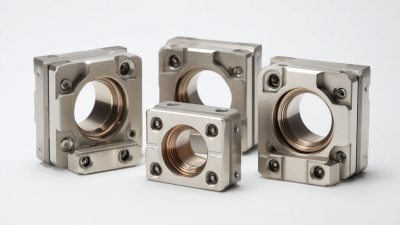
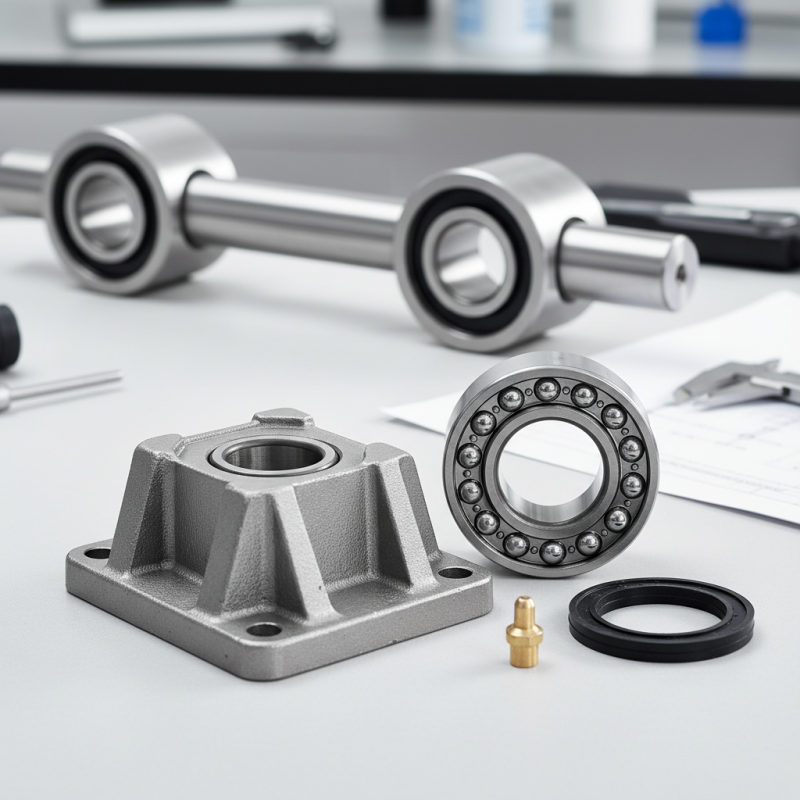
Pillow block bearings are critical components used to support rotating shafts. They consist of a bearing housed in a block, which is designed to be mounted on a surface. This configuration allows for the easy alignment of the shaft, helping to reduce friction and wear. According to a report by MarketsandMarkets, the global bearing market is expected to reach USD 110 billion by 2025, highlighting the significance of these components across various industries.
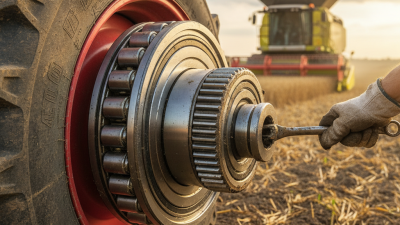
These bearings are commonly found in manufacturing and agricultural machinery. Their design offers both stability and ease of maintenance. A well-structured pillow block bearing can handle heavy loads and accommodate shaft misalignments. However, improper installation can lead to premature failure. Research indicates that nearly 30% of bearing failures stem from inadequate maintenance practices. Regular inspections and lubrication are essential.
In applications, choosing the right pillow block bearing is crucial. Their material selection, such as cast iron or steel, determines their load capacity and lifespan. Understanding these factors can significantly impact machinery performance. However, many facilities overlook these details, leading to inefficiencies. Regular training and updates on equipment care can make a substantial difference in operational reliability.
What is a Pillow Block Bearing and How Does It Work?
| Dimension |
Value |
Material |
Typical Applications |
| Inner Diameter (mm) |
20 |
Steel |
Agricultural Equipment |
| Outer Diameter (mm) |
40 |
Cast Iron |
Conveyor Systems |
| Width (mm) |
30 |
Aluminum |
Textile Machines |
| Max RPM |
2500 |
Stainless Steel |
Food Processing |
| Load Capacity (N) |
5000 |
Polymer |
Material Handling |
Components of a Pillow Block Bearing
Pillow block bearings are essential components in various mechanical systems. Understanding their components can help in optimizing performance. A typical pillow block bearing consists of several key parts: the bearing itself, the housing, and mounting hardware. The bearing allows rotational movement, while the housing supports it.
The inner and outer races of the bearing play a crucial role in load distribution. The lubricant within reduces friction, which enhances longevity. According to industry reports, proper lubrication can extend bearing life by up to 50%. Each component must be correctly aligned to prevent failure. Misalignment can lead to uneven wear or damage.
Tips: Regularly inspect your bearings for signs of wear. Check for any misalignment during installation. Use the correct lubricant type to ensure optimal performance. Remember, consistency in maintenance can drastically reduce downtime. Keep in mind that not all components are equally robust; some may underperform under specific conditions.
The quality of housing material also influences durability. Materials need to withstand pressure and environmental factors. Substandard or worn parts can create friction, damaging both the bearing and surrounding equipment. Regular assessments can help mitigate these risks, ensuring a smoother operation.
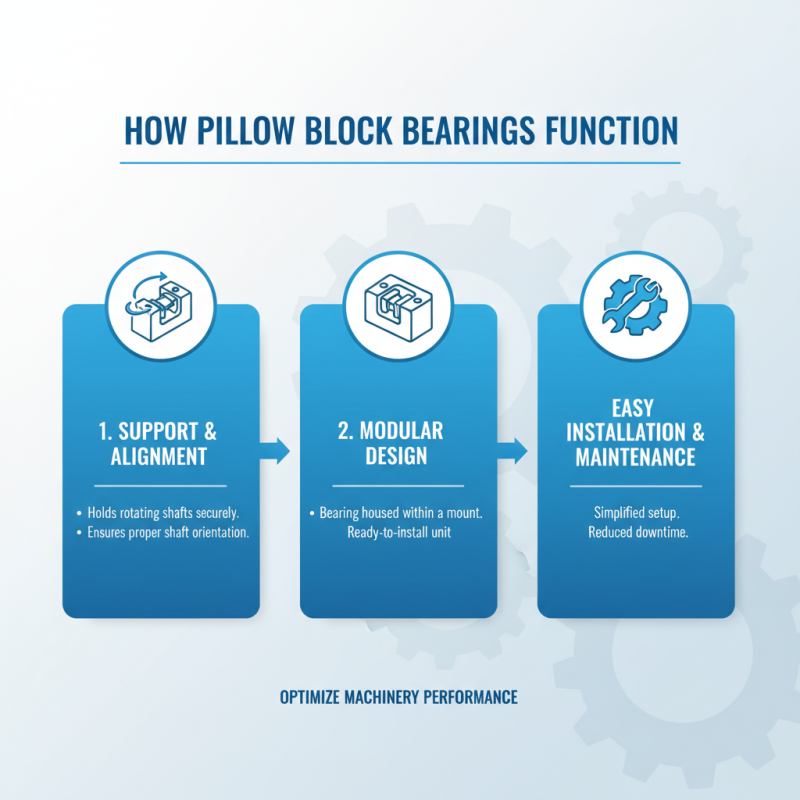
How Pillow Block Bearings Function
Pillow block bearings are essential components in various machinery. They provide support and alignment for rotating shafts. Understanding how these bearings function is crucial for optimizing performance. These bearings typically consist of a mounted unit housing a bearing. This design allows for easy installation and maintenance, particularly in industrial settings.
When a shaft rotates within a pillow block bearing, the inner race of the bearing maintains contact with the shaft. This interaction generates minimal friction, reducing wear and tear. A recent industry report indicates that proper lubrication can increase the lifespan of pillow block bearings by up to 40%. Moreover, variations in temperature and load can affect functionality. A bearing subjected to excessive load may fail prematurely, causing operational challenges.
It's vital to consider installation conditions. Misalignment can lead to vibrations and noise, which point to potential issues. Sensors can monitor these factors, yet many facilities overlook their importance. Regular inspections are necessary to ensure optimal function. Though pillow block bearings are designed for durability, neglecting maintenance can lead to unexpected downtime. Hence, a proactive approach is essential for enhancing efficiency and preventing costly repairs.
Applications of Pillow Block Bearings
Pillow block bearings are widely used in various industries. Their simple design enables them to support rotating shafts effectively. Common applications include conveyor systems and agricultural machinery. These systems often require reliable movement and minimal friction. Pillow block bearings offer these benefits, making them a go-to choice for many engineers.
In manufacturing, these bearings play a crucial role. They help position shafts securely while allowing for smooth motion. Industries like mining and construction also rely on them for heavy machinery. The durability of pillow block bearings withstands harsh environments and heavy loads. However, maintaining these bearings is essential. Regular inspections can prevent unexpected failures.
Another common use is in automotive applications. Here, pillow block bearings support rotating elements in engines and transmissions. Their ability to handle misalignment is valuable in these scenarios. Despite their advantages, users must be aware of installation precision. Poor alignment can lead to premature wear. Bearing selection also matters; incorrect sizes or types can compromise performance in the long run.
Benefits of Using Pillow Block Bearings
Pillow block bearings offer several notable benefits for various applications. They are commonly used in industries like manufacturing and transportation due to their ease of installation and maintenance. These bearings provide reliable support for rotating shafts while accommodating alignment changes. This adaptability helps in reducing wear and tear, ensuring extended machinery life.
One key advantage is their ability to reduce friction. Lower friction leads to improved efficiency. Additionally, these bearings can handle high radial and axial loads effectively. This makes them suitable for heavy-duty applications where performance is critical. They often come with built-in seals to protect against dust and moisture, further enhancing durability.
**Tip:** Regularly check for signs of wear in pillow block bearings. This proactive approach can prevent unexpected machine failures. Consider the environment where the bearings operate. Extreme temperatures or contaminants can affect performance. Keep this in mind to ensure optimal operation.
Pillow Block Bearings Performance Comparison
This chart illustrates the performance metrics of various pillow block bearings. It compares factors such as load capacity, operational speed, lifespan, and cost for three distinct types of bearings, allowing users to easily assess their options.