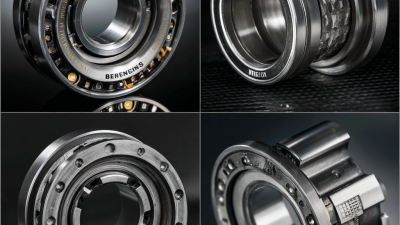
Original Bearing Buying Tips for Global Procurement Success?
In the world of global procurement, securing the right components is crucial. When it comes to the machinery industry, Original Bearings play a vital role. These components ensure efficiency and reliability in operations. However, buying Original Bearings is not always straightforward.
Many buyers face challenges when selecting the best suppliers. The vast market can be overwhelming. It is essential to understand quality standards and specifications. Not every product labeled as "original" meets industry requirements. This often leads to disappointment and unexpected costs.
To navigate this complex landscape, buyers must approach procurement with care. Researching suppliers is vital. Engaging with experts can provide valuable insights. Additionally, seeking feedback from industry peers can help. Reflecting on past purchasing decisions can highlight areas for improvement. By focusing on these aspects, businesses can enhance their procurement strategies and ensure the success of their projects.

Key Factors in Selecting Original Bearings for Procurement Efficiency
When selecting original bearings for procurement, efficiency is paramount. One key factor is understanding the specific application requirements. Know the load conditions and operating speeds. This knowledge directly impacts the bearing type you should choose. Consider the environment as well—temperature and exposure to contaminants can affect performance.
Another vital aspect is sourcing from reliable manufacturers. Certification and quality standards are essential indicators. Look for brands that emphasize durable materials and precision engineering. Even with the right specifications, if the source is unreliable, efficiency suffers.
It's also important to evaluate after-sales support. A lack of support can lead to challenges down the road. Suppliers offering installation guidance and maintenance tips demonstrate commitment to customer success. Reflecting on these factors can lead to better procurement strategies. Prioritize informed decisions to enhance efficiency and reliability in bearing selection.
Analyzing Market Trends in Global Bearing Supply Chains
The global bearing supply chain is witnessing significant shifts. Recent reports indicate the market is projected to grow at a CAGR of 5.7% through 2028. This growth is driven by rising demand in automotive and industrial machinery sectors. Manufacturers must adapt to these trends to stay competitive.
One major trend is the increasing reliance on smart technologies. Predictive maintenance tools reduce failure rates, enhancing reliability. Around 60% of bearings sold now incorporate sensors. However, this shift requires investment in technology and training. Companies need to evaluate their capabilities and make informed decisions about transitioning to smart systems.
Supply chain challenges also persist. Disruptions caused by the pandemic revealed vulnerabilities. In response, many organizations are diversifying suppliers to mitigate risk. Still, over 40% of companies report difficulties in sourcing quality materials. This reinforces the need for rigorous quality control measures in procurement strategies. As the market evolves, ongoing analysis and adaptation are essential for success.
Original Bearing Buying Tips for Global Procurement Success
| Dimension |
Material |
Supplier Region |
Market Trend |
Price Range (USD) |
| 60x30x16 mm |
Steel |
Asia |
Stable Demand |
10 - 15 |
| 80x40x20 mm |
Ceramic |
Europe |
Growing Use |
20 - 30 |
| 100x50x25 mm |
Stainless Steel |
North America |
Increasing Investment |
25 - 35 |
| 120x60x30 mm |
Bronze |
South America |
Steady Market |
30 - 40 |
| 150x70x35 mm |
Polymer |
Middle East |
Emerging Trend |
15 - 25 |
Evaluating Quality Standards and Certifications for Bearings
When procuring original bearings, understanding the quality standards is vital.
Bearings are critical components in various machinery and equipment. Their performance directly impacts efficiency.
Hence, selecting reliable bearings hinges on standards and certifications that indicate quality.
Different regions have established various quality standards.
ISO certification
is one of the most recognized. It signifies that a manufacturer adheres to specific international guidelines.
However, not all certified products guarantee top-notch performance.
It's crucial to delve into the testing processes and materials used. Various certifications may cover different aspects,
such as durability and safety.
Evaluating these standards requires an eye for detail. One must consider whether
the manufacturer's certifications comply not only with international norms but also with specific industry requirements.
Sometimes, documents may seem impressive but lack transparency. Therefore, always ask for test reports
and real-life performance data.
Engaging with suppliers who can share detailed insights can significantly aid your decision-making process.
Cost-Benefit Analysis: Balancing Price and Performance in Bearing Purchases
When purchasing bearings, performing a cost-benefit analysis is crucial. It helps organizations balance price with performance. Cheaper options may seem attractive, but they can lead to higher costs over time. Poor quality bearings often require more frequent replacements. This can disrupt operations and increase downtime.
Consider the application and environment in which the bearings will operate. High-performance bearings may have a higher upfront cost, but they can offer better reliability. They can withstand harsh conditions, reducing failure rates. Organizations must ask tough questions: How long will this bearing last? What are the hidden costs?
Documenting past experiences and outcomes can inform future purchases. Seek input from team members who have used different bearing types. Their insights can expose potential pitfalls. Investing time in this analysis creates a more informed buying decision. It leads to a long-term strategy that aligns with operational goals. This method ensures a reliable supply chain for ongoing projects.