Top Industrial Bearing Types and Their Applications?
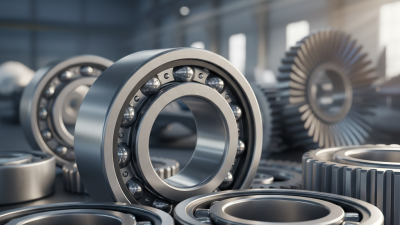
Industrial bearings play a crucial role in various machinery and equipment. They reduce friction and support mechanical components' movement. Different types of industrial bearings suit specific applications. Understanding these types is essential for efficient operations.
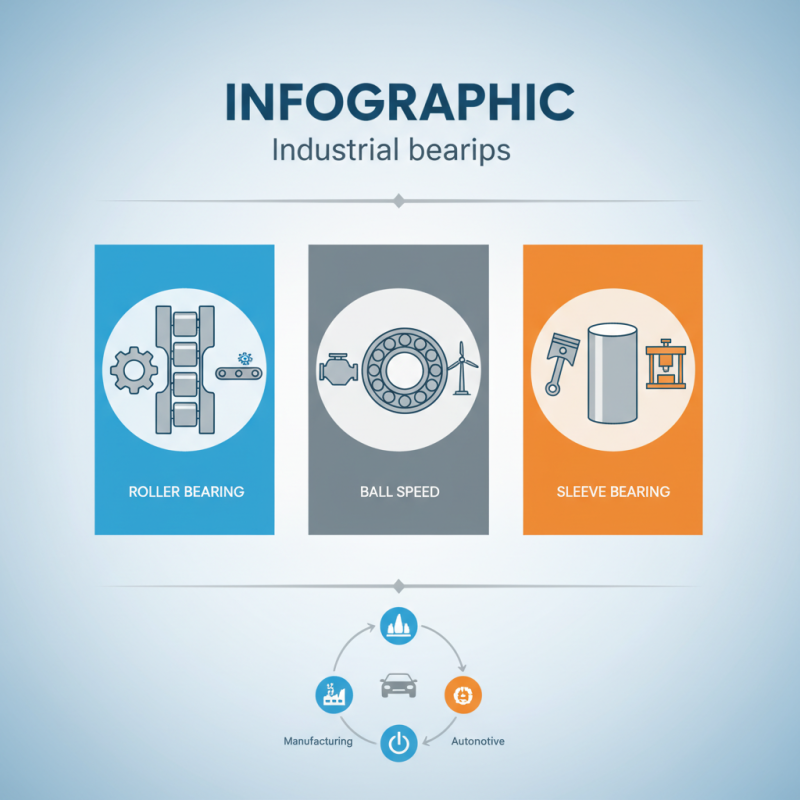
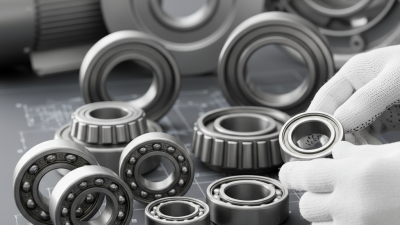
You might encounter roller bearings, ball bearings, and sleeve bearings. Each type has unique features and benefits. For instance, roller bearings handle heavy loads well. In contrast, ball bearings are great for high-speed applications. These distinctions are vital for choosing the right bearing.
The application of industrial bearings ranges from automotive industries to manufacturing plants. Choosing the wrong type can lead to failures and increased costs. It's important to evaluate operational needs carefully. Reflecting on your current choices may reveal room for improvement in performance and reliability.
Types of Industrial Bearings and Their Key Characteristics
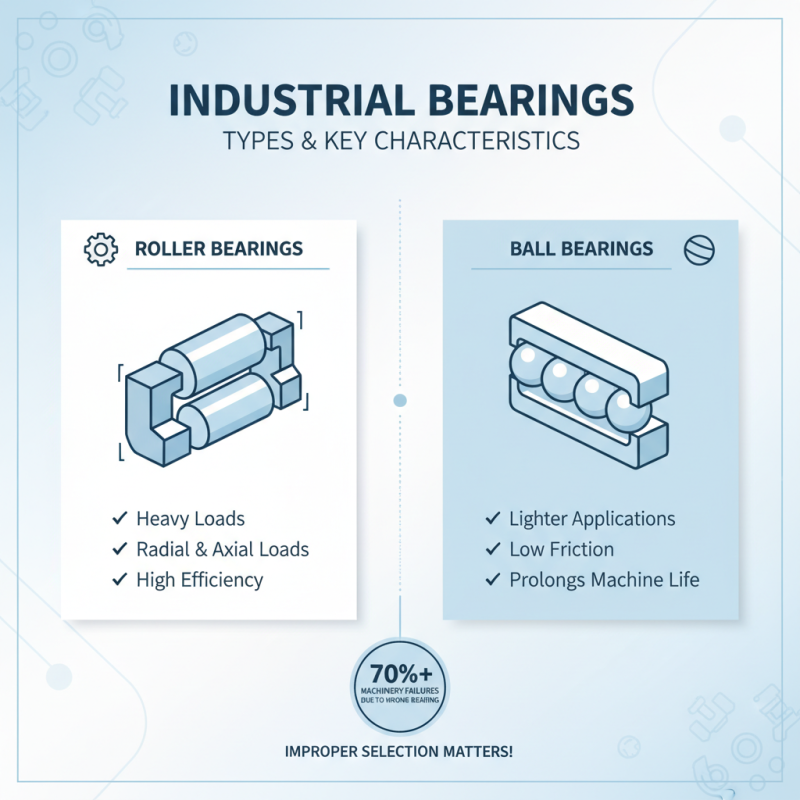
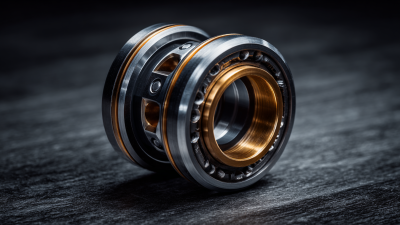
Industrial bearings play a crucial role in machinery performance. They come in various types, each designed for specific applications. Roller bearings, for instance, are ideal for heavy loads. According to recent industry reports, they can handle radial and axial loads efficiently. In contrast, ball bearings are perfect for lighter applications. They offer low friction, which helps prolong machine life. A study from the bearing industry indicates that over 70% of machinery failures are caused by improper bearing selection.
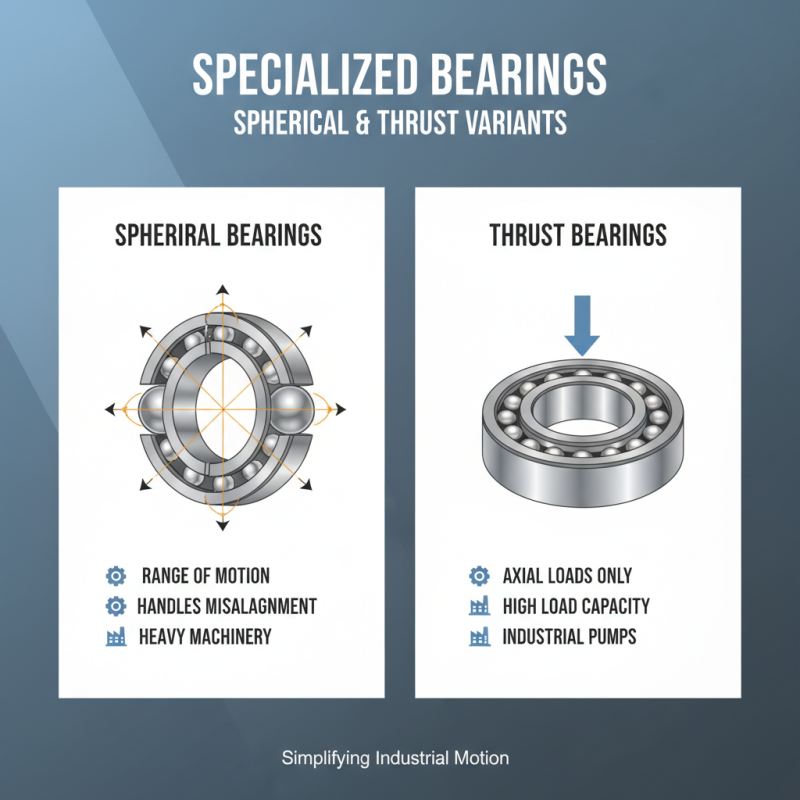
Spherical bearings are another type worth noting. They allow for alignment and flexibility. This feature makes them suitable for applications where misalignment is common. A report highlights that the global bearing market reached approximately $30 billion in 2022, with spherical bearings showing significant growth. Yet, their complexity means maintenance can be challenging.
Thrust bearings are specifically designed to handle axial loads. They are critical in applications like automotive and aerospace industries. However, they often face issues related to wear and tear if not regularly serviced. A survey found that 30% of industries fail to perform timely maintenance on thrust bearings. This oversight can lead to operational downtime and increased costs. Understanding these characteristics is essential for making informed decisions in bearing selection.
Common Applications of Roller Bearings in Various Industries
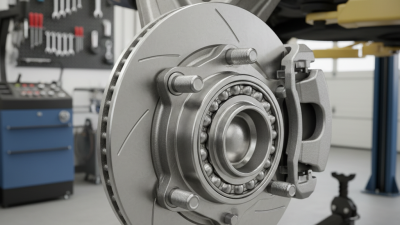
Roller bearings play a crucial role in various industries. These components reduce friction and support loads in machinery. Their structure allows for smooth operation, making them favorites in manufacturing and automation sectors. For instance, in automotive applications, roller bearings ensure that wheels and engines function efficiently. The constant movement in vehicles puts immense stress on these bearings, highlighting their importance.
In the construction industry, roller bearings are vital in cranes and heavy equipment. They endure harsh conditions, including heavy loads and extreme weather. Despite their robustness, they can fail if not properly maintained. Regular inspections and lubrication are essential. Without proper care, performance may decline, leading to operational issues.
Another common application is in aerospace, where precision is critical. Roller bearings must withstand severe forces and temperatures. Failures in this sector can have significant safety implications. Thus, manufacturers continuously seek ways to improve bearing technology. They explore new materials and designs. Yet, challenges remain, such as ensuring longevity under extreme conditions. Understanding these aspects can drive innovation in roller bearing applications.
The Role of Ball Bearings in Machinery and Equipment
Ball bearings play a crucial role in machinery and equipment. They reduce friction between moving parts, enhancing efficiency. According to industry reports, up to 40% of energy loss in machines can be attributed to friction. Using high-quality ball bearings can significantly decrease this energy waste.
In various applications, ball bearings provide stability. They support rotating shafts in motors, fans, and pumps. Many industrial sectors experience faster production rates due to reliable ball bearings. For instance, in automotive manufacturing, ball bearings reduce wear and tear on engine components. This results in longer equipment life and less frequent replacements.
However, not all ball bearings are equal. Variations in materials and designs affect performance. The selection process is often overlooked. Some industries might prioritize cost over quality, leading to increased failure rates. Regular maintenance is essential, yet often neglected. Equipment downtime can be costly and disrupt production. Investing time in proper selection and ongoing care is vital for optimal performance.
Top Industrial Bearing Types and Their Applications
This chart illustrates the various types of industrial bearings and their applications in machinery. Ball bearings are the most commonly used, followed by roller bearings and thrust bearings, which play key roles in reducing friction and wear in equipment.
Factors to Consider When Selecting Bearings for Industrial Use
When selecting bearings for industrial use, several factors play a vital role. The environment in which the bearings will operate is crucial. Dust, moisture, and temperature extremes can impact performance. Choosing the right materials can protect against these conditions. For example, stainless steel or ceramic options may reduce corrosion risk.
Load capacity is another key consideration. Bearings must support the weight and force of machinery. It's essential to know the expected loads before making a choice. Oversized bearings can lead to unnecessary costs, while undersized ones may fail prematurely. Understanding dynamic and static load ratings is necessary here.
Finally, maintenance requirements should not be overlooked. Some bearings require regular lubrication and inspection, while others are designed for minimal upkeep. This can affect operational efficiency and downtime. Choosing low-maintenance options may initially seem cost-effective, but they may need careful assessment. Balancing performance, maintenance, and cost can be challenging.