2025 Guide: How to Choose the Best Miniature Ball Bearings for Your Project
When embarking on a project that requires
precise movement and
reduced friction, understanding the different types of
miniature ball bearings becomes crucial. Miniature ball bearings
are widely used in various applications, from robotics and drones to electric motors and medical devices.
Their compact size and significant performance capabilities make them ideal for projects that demand both
space efficiency and reliability.
This guide aims to provide an in-depth look at how to select the best miniature ball bearing for your specific needs in
2025.
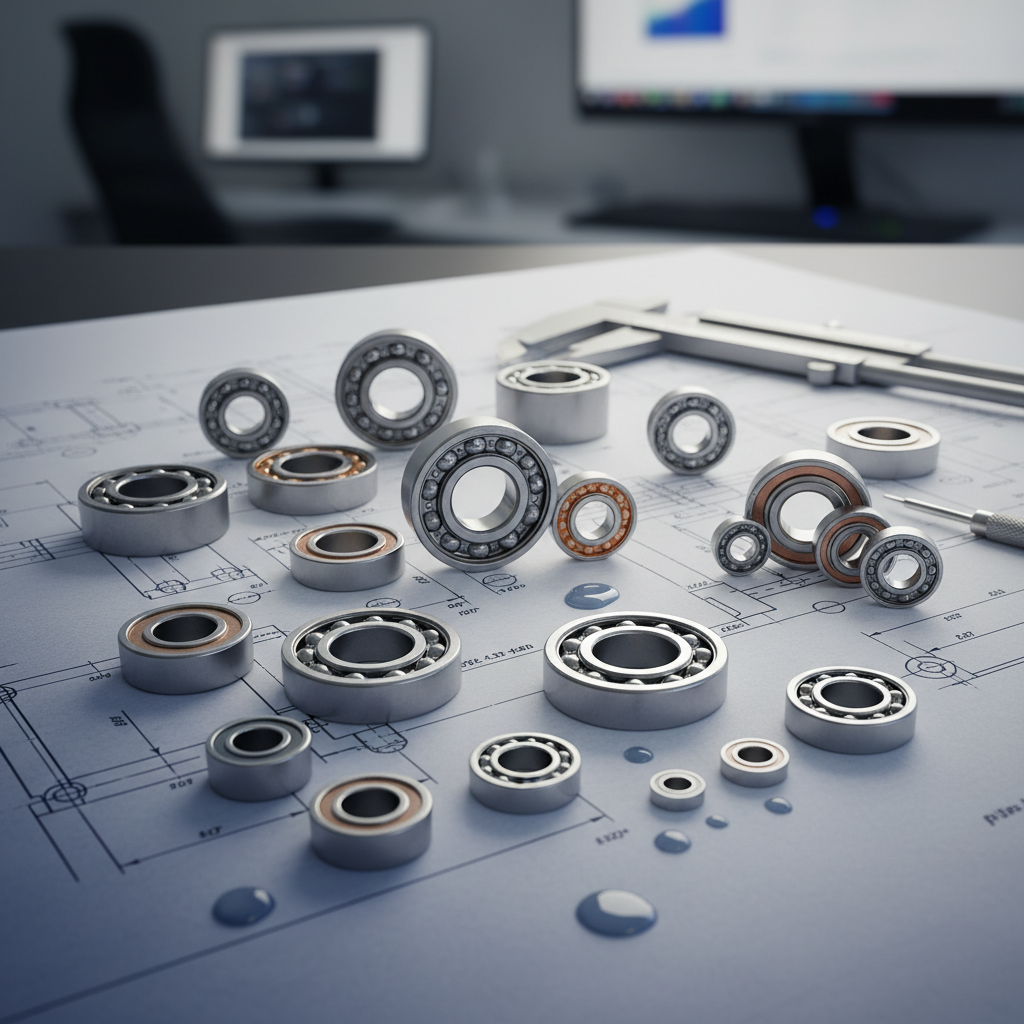
In today's fast-paced technological landscape, the variety of miniature ball bearings available can be overwhelming.
Factors such as material, load capacity, and sealing options play a vital role in determining which type
will perform best in your application. By examining the unique characteristics of different miniature ball bearing types,
we will help you navigate through the multitude of choices to find the perfect fit for your project. Whether you
are a hobbyist working on a small-scale model or an engineer designing high-performance machinery, understanding these elements
will empower you to make informed decisions that enhance the functionality
and longevity of your designs.
Understanding the Importance of Precision in Miniature Ball Bearings for Your Project
Precision is a critical factor when selecting miniature ball bearings for any project, especially in high-tech industries and applications involving micro and special motors. These components are essential for achieving the desired efficiency and reliability in various devices, from electric motors to robotics. As industries evolve, the demand for high-end precision bearings is increasing, reflecting the technological advancements being made across multiple sectors, including the latest developments in wind turbine technology and electric vehicles.
When choosing miniature ball bearings, one must consider factors such as load capacity, friction, and material composition. Precision in these components directly influences the overall performance and longevity of the final product. For instance, in cutting-edge applications like the Mars 2020 mission, precise miniature bearings are instrumental in ensuring mission-critical systems operate flawlessly. This underscores the importance of selecting the right bearings tailored to specific project requirements, enabling superior functionality and durability in increasingly sophisticated applications.
Key Factors in Selecting the Right Size and Load Rating for Miniature Ball Bearings
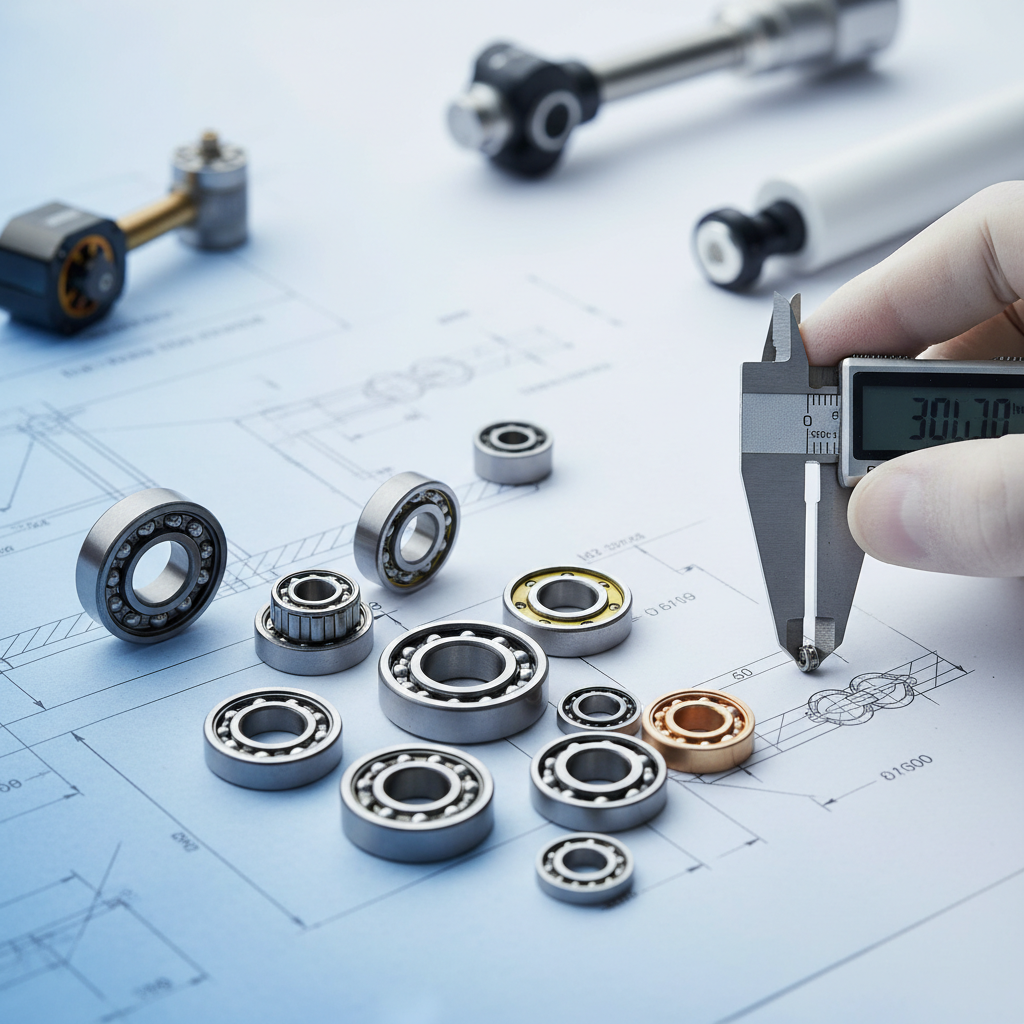
When selecting miniature ball bearings for your project, understanding the right size and load rating is crucial. The size of the bearing directly impacts its performance and compatibility with your application. Ensure the inner and outer diameter, as well as the width, meet your design specifications. A precise fit can reduce friction and enhance efficiency, making it essential to measure and consider the available space in your project thoroughly.
Load rating is another vital factor to consider. It indicates how much weight the bearing can handle without compromising its functionality. To choose the appropriate load rating, assess the dynamic load and the static load that the bearing will experience during operation. Differential pressure between the loads is important for ensuring longevity and reliability. Remember, selecting the right combination of size and load rating not only optimizes performance but also minimizes the risk of failure, ultimately leading to a successful project outcome.
Miniature Ball Bearings Selection Guide
This chart illustrates the relationship between load ratings and sizes of miniature ball bearings. Proper selection is crucial for optimal performance in your project.
Analyzing Material Choices: Steel vs. Ceramic in Miniature Ball Bearings
When selecting miniature ball bearings, the choice of materials—specifically steel versus ceramic—plays a crucial role in performance and durability.
Steel bearings are known for their high load capacity and resistance to deformation, making them suitable for a wide range of applications.
They tend to be less expensive and are widely available, which is beneficial for projects with budget constraints.
However, steel can be prone to rust and wear, especially in high-moisture environments or applications involving aggressive chemicals.

On the other hand, ceramic bearings offer unique advantages that might make them preferable for certain projects.
Made from advanced materials, they are lighter than steel, have a lower coefficient of friction, and are inherently corrosion-resistant.
This makes ceramic bearings ideal for high-speed applications and harsh environments. Although they are generally pricier,
their longevity and reduced maintenance needs can offset the initial investment. Ultimately, the choice between steel and ceramic bearings should correlate with the specific demands of the project,
weighing factors like environmental conditions, load requirements, and budgetary constraints.
Evaluating Performance: RPM Ratings and Their Impact on Application Efficiency
When selecting miniature ball bearings for your project, understanding RPM ratings is crucial to evaluating their performance. RPM, or revolutions per minute, measures how quickly a bearing can operate efficiently. Higher RPM ratings generally indicate that the bearing can sustain faster speeds without excessive wear, making them suitable for applications that require high-speed functionality, such as in electric motors or robotic systems. It’s essential to match the RPM rating of the bearing with the operational demands of your specific project to ensure optimal performance.
Additionally, consider how the RPM rating affects application efficiency. Bearings with appropriate RPM ratings can enhance the overall efficiency of a system by reducing friction and heat generation, which ultimately prolongs the lifespan of the machinery. In applications where speed is critical, selecting bearings that offer high RPM capabilities while maintaining low noise and minimal vibration can significantly improve the operational stability. Thus, assessing RPM ratings not only aids in choosing the right miniature ball bearings but also plays a vital role in the success of your project by ensuring reliability and efficiency.
2025 Guide: How to Choose the Best Miniature Ball Bearings for Your Project
| Bearing Type |
Material |
Max RPM |
Load Capacity (N) |
Application Efficiency |
| Ball Bearing |
Stainless Steel |
30,000 |
150 |
High |
| Miniature Bearing |
Plastic |
20,000 |
80 |
Moderate |
| Deep Groove Bearing |
Chrome Steel |
25,000 |
120 |
High |
| Angular Contact Bearing |
Ceramic |
35,000 |
200 |
Very High |
| Thrust Bearing |
Alloy Steel |
15,000 |
100 |
Low |
Cost vs. Quality: Budgeting Considerations for High-Performance Miniature Ball Bearings
When selecting miniature ball bearings for your project, striking the right balance between
cost and quality is crucial. According
to a recent report from the Bearing Market Analysis, high-performance miniature ball bearings can range significantly in price—ranging from
approximately $1 to $10 per bearing, depending on specifications and material used.
Investing in lower-cost options may seem appealing initially; however, organizations such as ASTM International have demonstrated that
cheaper bearings can lead to increased wear and premature failure, ultimately increasing maintenance costs.
Quality miniature ball bearings often come from reputable manufacturers that invest in advanced fabrication processes. Data
from the Precision Bearing Industry Report indicates that high-quality bearings improve efficiency by as much as 20%
and can enhance the operational lifespan by 30% compared to lower-grade alternatives.
Carefully assessing the required performance attributes of your project will help to justify the upfront investment in high-quality bearings,
ensuring reduced downtime and improved overall project efficacy. Thus, when budgeting for miniature ball bearings, consider
long-term performance and reliability over initial expenditure.