Top 10 Factors Influencing Roller Bearing Price?

The roller bearing industry plays a vital role in various sectors, from automotive to industrial machinery. Understanding the factors that influence roller bearing price is essential for manufacturers, suppliers, and consumers alike. A recent report by Research and Markets indicates that the global roller bearing market is expected to reach $45 billion by 2026, driven by the increasing demand for high-performance bearings.

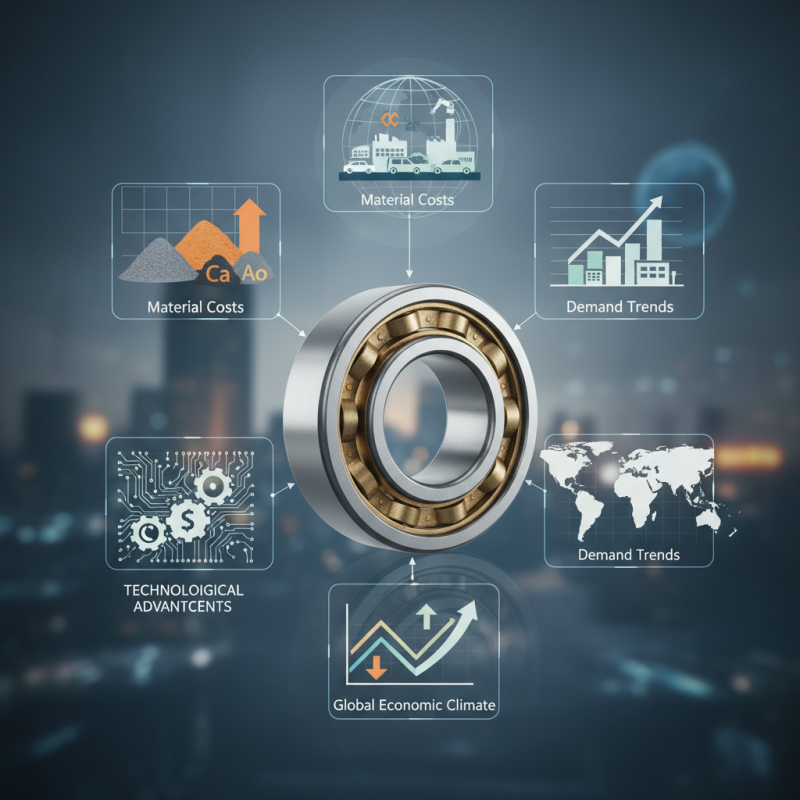
According to industry expert John Smith, “The price of roller bearings is influenced by material costs, demand trends, and technological advancements.” These factors contribute significantly to fluctuations in roller bearing prices. For instance, the rising cost of raw materials can lead to increased production expenses. Additionally, any changes in manufacturing technology can either drive prices up or down, depending on efficiency gains or losses.

Moreover, the global economic climate also plays a role. During economic downturns, demand may decrease, leading to price reductions. Conversely, a booming economy can increase competition for high-quality bearings. These dynamics highlight the complexity of roller bearing pricing, underscoring the need for stakeholders to stay informed and adaptable in this ever-changing market landscape.
Top 10 Factors Influencing Roller Bearing Price?

Factors Impacting Raw Material Costs in Roller Bearing Production

The price of roller bearings is heavily influenced by raw material costs. Various materials such as steel and high-performance polymers directly impact production costs. Fluctuations in these materials often result in varying roller bearing prices. For instance, a sudden increase in steel prices can raise production expenses, which may eventually be passed onto consumers.

Tips: Always monitor the market for material prices. This practice can help manufacturers predict future costs. Understanding the supply chain dynamics also offers valuable insights. A brief delay in raw material supply can affect production timelines.

Additionally, the sourcing of raw materials can further complicate pricing. Imported materials are subject to tariffs and transportation costs. These factors can contribute to unpredictable price changes. The quality of materials used also plays a vital role; cheaper materials might save money initially but could result in higher long-term costs due to wear and tear.

Tips: Invest in quality materials where possible. This can save money over time by reducing maintenance needs. Supply chain transparency is essential to ensure consistency in pricing and quality. Always reevaluate suppliers to remain competitive.
The Role of Manufacturing Processes on Roller Bearing Pricing

The manufacturing process significantly impacts roller bearing pricing. It involves multiple stages, from raw material selection to final assembly. Each stage can increase costs. For example, precision machining requires advanced technology. This drives up expenses but enhances performance.

Labor costs also play a crucial role. Skilled workers are essential for quality control. According to recent industry reports, labor can account for up to 25% of the total production cost. This varies by region. In some areas, labor costs are much higher, influencing overall prices.

Moreover, the availability of quality materials affects pricing. High-grade steel often leads to better product durability. Reports indicate that fluctuations in raw material prices directly correlate with bearing prices. Manufacturers must adapt to these changes to remain competitive. Such market dynamics require constant evaluation.

Top 10 Factors Influencing Roller Bearing Price

This chart illustrates the top 10 factors influencing the pricing of roller bearings. Each factor contributes differently to the overall cost of manufacturing and selling roller bearings.

Market Demand Fluctuations and Their Effect on Bearing Prices

Market demand for roller bearings can change rapidly. This fluctuation often leads to significant price variations. When industries such as automotive or manufacturing ramp up production, the need for high-quality bearings surges. Conversely, during downturns, demand dips, causing prices to decrease.

Supply chain issues can also impact prices. If raw materials become scarce, production costs increase. This often translates to higher prices for consumers. Unexpected events, like natural disasters or geopolitical tensions, can exacerbate this instability. Companies must remain adaptable in such a volatile environment.

Even within stable markets, pricing strategies can be tricky. Companies frequently review their pricing to remain competitive. Price increases can deter customers, leading to lost sales. Balancing profitability and market share is a constant challenge. It’s crucial for businesses to understand these dynamics thoroughly. Being reactive rather than proactive may result in missed opportunities.

Influence of Technological Advancements on Roller Bearing Costs

Top 10 Factors Influencing Roller Bearing Price?

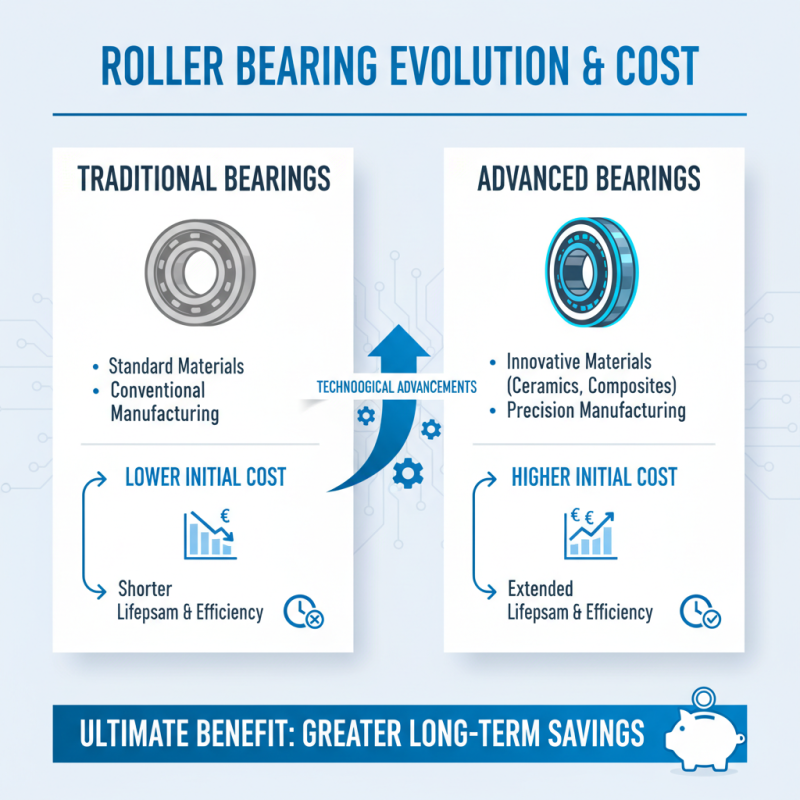
Technological advancements significantly impact roller bearing costs. Innovations in materials and manufacturing processes lead to improved performance and longevity. Better materials can increase bearing efficiency. This often results in higher initial costs but greater savings over time.

3D printing technology offers unique opportunities in production. It reduces waste and allows for complex designs. These innovations may also lower prices in the future. However, these advancements can be expensive to implement initially. Many manufacturers struggle to keep up with rapid changes.

Automation in production is another factor. Robots can enhance precision and reduce labor costs. Yet, transitioning to automated systems requires significant investment. Small businesses may find it challenging to adopt these technologies, limiting their competitiveness. Exploring the balance between cost and innovation is necessary for industry growth.

Economic Factors: Currency Exchange and Global Market Trends

Top 10 Factors Influencing Roller Bearing Price?

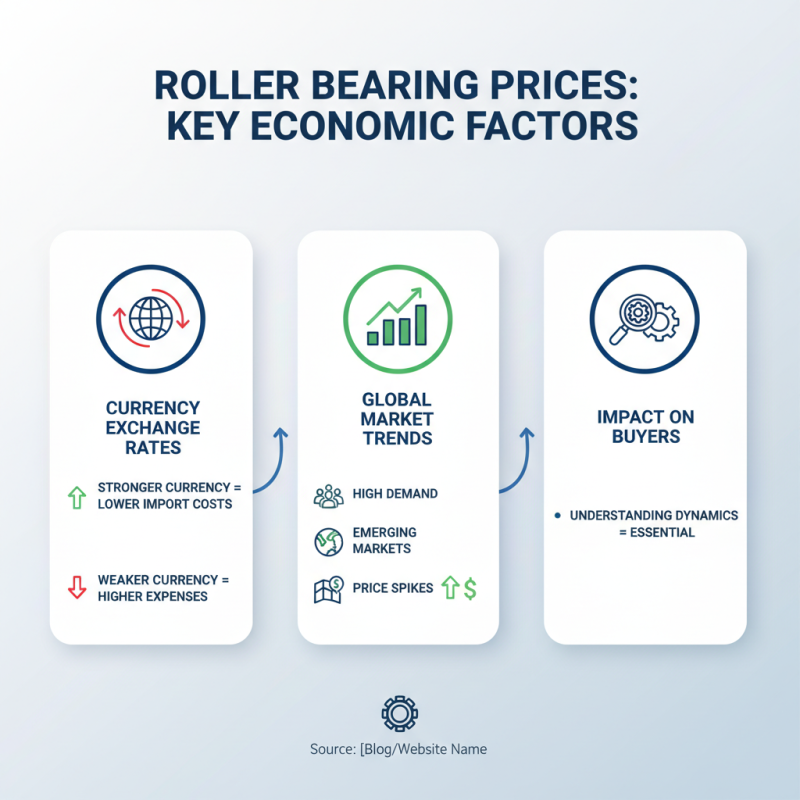
Economic factors play a crucial role in determining roller bearing prices. Currency exchange rates can greatly influence costs. A stronger currency means lower import costs, while a weaker currency increases expenses. Companies must stay alert to these changes. Global market trends also impact pricing. High demand in emerging markets can lead to price spikes. Understanding these dynamics is essential for buyers.

When purchasing roller bearings, consider the prevailing economic situation. Monitoring currency trends can provide insights into future prices. It’s wise to plan purchases during favorable exchange rates. This could save significant costs.

Additionally, evaluating the global market can help anticipate price changes. Stay informed about industrial growth in key regions. Rapid growth can drive up costs. Even minor fluctuations can affect budgets. Being proactive and informed can shield your company from surprises.