How to Choose the Best Small Bearings for Your Projects?
Choosing the right small bearing can make or break your project. According to John Smith, a seasoned engineer in the small bearing industry, "Precision is key in small bearing selection." This wisdom resonates deeply, as the right bearing ensures optimal performance in devices ranging from motors to household appliances.
Small bearings are often overlooked, yet their significance is profound. A slight miscalculation in size or type can lead to inefficiency or even failure. A project may require specific load capacities or rotation speeds that must match the small bearing’s specifications. Understanding these nuances can be the difference between success and frustration.
As you embark on your selection journey, careful consideration is essential. Explore different materials, such as stainless steel or plastic, to understand their effects on durability. Pay attention to noise levels and maintenance needs, which vary significantly among small bearings. Taking time to research can prevent costly mistakes.
Understanding Different Types of Small Bearings Available in the Market
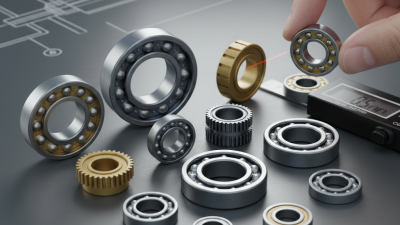
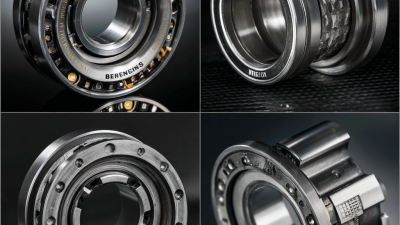
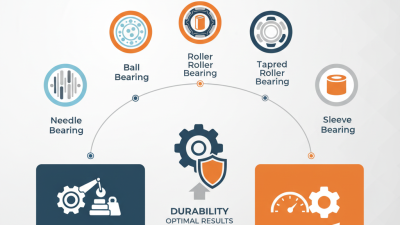
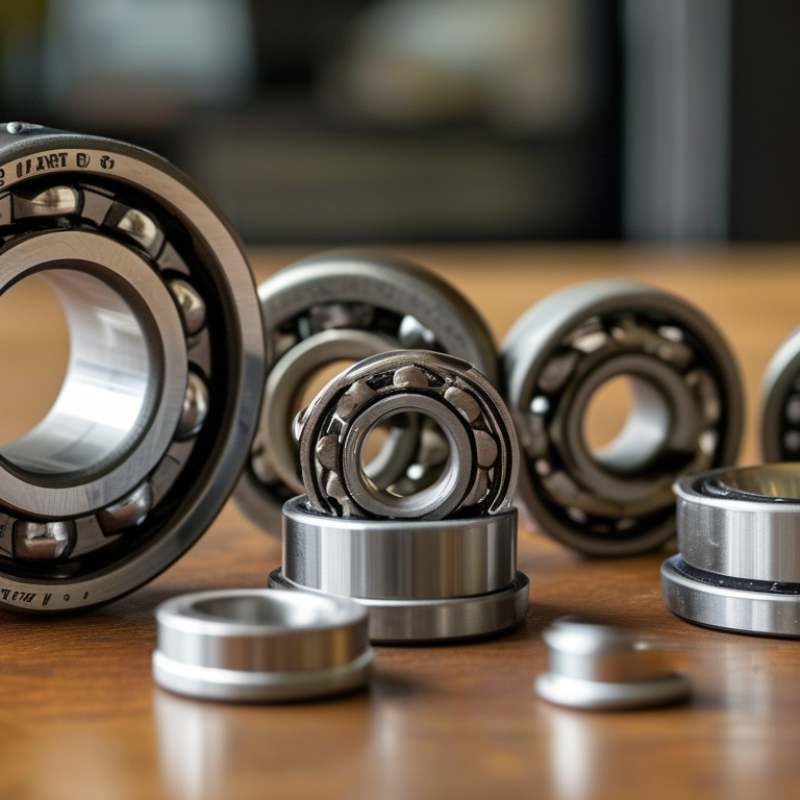
When selecting small bearings for your project, it’s crucial to understand the types available. Small bearings come in various designs, including ball bearings, roller bearings, and sleeve bearings. According to a recent industry report from Research and Markets, the global bearing market is projected to grow at a CAGR of 5.5% from 2021 to 2026. This growth is primarily driven by increased demand in sectors such as automation and robotics.
Ball bearings are often favored for their versatility and low friction. They are ideal for applications requiring high speeds. Roller bearings, on the other hand, can handle heavier loads but may not rotate as smoothly as ball bearings. Sleeve bearings are simple yet effective. They rely on a lubricated surface for motion rather than rolling elements. Each type has its strengths, making it essential to analyze specific project requirements.
**Tip:** Always consider load ratings when choosing bearings. It affects durability and overall performance.
Be mindful of the dimensions as well. A bearing that is too large may not fit the intended space, while one that is too small may fail under pressure. Evaluating these factors ensures optimal performance.
**Tip:** Consult manufacturers' specifications for precise measurements. This can prevent costly mistakes.
Understanding these different types of small bearings can lead to better choices and improved project outcomes. It's vital to reflect on your specific needs and not rush the decision-making process.
How to Choose the Best Small Bearings for Your Projects?
| Bearing Type |
Material |
Load Capacity (kg) |
Speed Rating (RPM) |
Applications |
| Miniature Ball Bearing |
Stainless Steel |
3 |
40,000 |
Robotics, Models |
| Flanged Ball Bearing |
Chrome Steel |
5 |
20,000 |
Hobby Projects, DIY |
| Deep Groove Ball Bearing |
Carbon Steel |
8 |
15,000 |
Small Engines, Electric Motors |
| Angular Contact Bearing |
Ceramic Hybrid |
10 |
30,000 |
High-Speed Machinery, CNC Equipment |
| Screw Bearing |
Plastic |
2 |
10,000 |
Toys, Small Appliances |
Key Factors to Consider When Selecting Small Bearings for Your Project
When selecting small bearings for your projects, several key factors should be considered. The type of load the bearing will face is crucial. Understanding whether it will encounter radial or axial loads can guide you in choosing the right bearing type. Load ratings are available in product specifications, but not all products may state these ratings clearly. Research and reliability check the sources to ensure accurate information.
Another essential factor is the size and fit of the bearing. Small bearings may require precise specifications to ensure optimal performance. Inaccurate measurements can lead to misalignment, causing premature wear. Sometimes, specifications provided may be too vague, leading to uncertainty. For those new to bearing selection, seeking expert advice can help clarify these aspects.
The bearing material is also critical. Common materials include steel and ceramics, each having unique properties. Steel bearings may be more affordable and durable, but they can rust in humid environments. On the other hand, ceramic bearings offer high resistance to corrosion but can be more brittle. Weighing the pros and cons of each material based on project requirements is vital. This process can reveal gaps in knowledge, prompting further exploration and learning.
Evaluating Load Capacity and Performance Requirements for Small Bearings
When selecting small bearings, understanding load capacity is crucial. Bearings carry loads during operation. If a bearing is overloaded, it may fail prematurely. Check the weight and stress factors in your application. Each project has its demands. Some scenarios require more robust solutions, while others can get by with lighter options.
Performance requirements also play a vital role. Speed ratings tell you how fast a bearing can operate without degrading. Low-friction bearings might be critical for high-speed applications. Conversely, those handling heavier loads might need more friction stability. Thermal management is another aspect to consider. Bearings can heat up quickly, affecting performance. If your design generates heat, ensure proper cooling measures are in place.
Despite having specifications, challenges may arise. Not all bearings will perform identically in real-world conditions, even if they meet the same metrics. Prototyping can help identify shortcomings before final production. Testing different configurations can also yield unexpected insights. Rely on both data and practical experiences to guide your selections. Understanding these nuances leads to better outcomes in your projects.
Importance of Material Selection in Small Bearing Applications
Material selection is crucial in small bearing applications. The right material can significantly enhance performance and longevity. Typically, steel is favored due to its strength and durability. Yet, alternative materials like ceramic or plastic have gained traction for specific uses. Ceramic bearings often outperform steel in high-speed scenarios, with reduced friction and weight. According to a report by Bearing Technology Journal, ceramic materials can improve operational life by up to 30% compared to conventional steel.
Another aspect to consider is the environment where the bearing operates. Corrosive settings demand materials like stainless steel or specialized coatings. These options can prevent rust and degradation, ensuring reliability. A study from the International Journal of Precision Engineering found that bearings exposed to extreme conditions had a failure rate reduced by 25% when made from corrosion-resistant materials.
Determining the right material involves balancing factors such as load, speed, and environment. Even the best materials might fail under unexpected stressors. It’s essential to consider all variables. Sometimes, a less common choice may yield better results. This complexity underscores the importance of thorough research and expert consultation in the selection process.
Material Selection in Small Bearings: Performance Comparison
This chart illustrates the performance of different materials used in small bearings. The data compares factors such as load capacity, wear resistance, and friction coefficient.
Best Practices for Installing and Maintaining Small Bearings in Projects
When installing small bearings, attention to detail is critical. Begin by ensuring the bearing housing is precisely aligned. Misalignment can lead to excessive wear and diminished performance. Always use the right tools for installation. Hammering the bearing can cause damage. Instead, consider using a press for a smooth and controlled fit.
Tips: Clean all surfaces thoroughly before installation. Dirt can lead to future failures. Measure the dimensions of the components accurately. This ensures the right fit and longevity of your bearings.
Regular maintenance is essential for maximizing the lifespan of small bearings. Periodically inspect for noise, vibration, or excessive heat. These can be signs of wear. Lubrication is key; however, avoid over-lubricating, which can attract contaminants. A balance is necessary.
Tips: Keep a maintenance log for tracking performance. This helps identify patterns and potential problems early. Investing time in maintenance avoids costly replacements down the road.