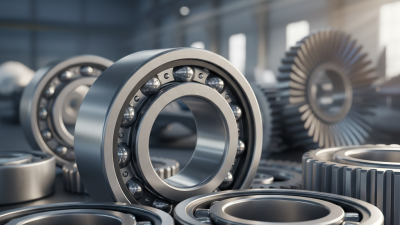
Why Choose Miniature Ball Bearings for Your Projects?
Miniature ball bearings are essential components in various projects. They offer unique advantages, especially in compact applications. When considering precision and efficiency, miniature ball bearings stand out. Their small size does not compromise performance. Instead, they enhance it.
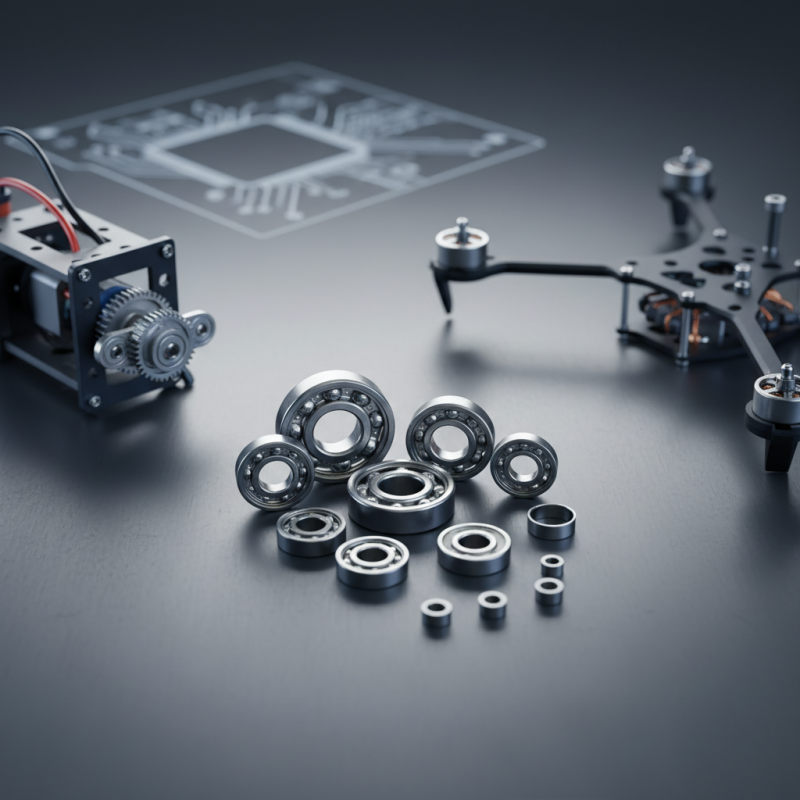
These bearings are widely used in robotics, drones, and computer hardware. Their ability to reduce friction is significant. It allows for smoother operations, increasing the lifespan of your device. Additionally, they are lightweight and cost-effective. This makes them perfect for projects needing reliability without the extra weight.
However, selecting the right miniature ball bearing requires careful thought. Not all designs suit every application. Consider load ratings, materials, and dimensions. The perfect choice can improve your project’s effectiveness. But an incorrect selection could lead to inefficiencies. Thus, understanding these elements is key to success.
Understanding Miniature Ball Bearings and Their Applications
Miniature ball bearings play a vital role in various mechanical applications. These small components are essential for reducing friction in machines, enhancing efficiency. Many industries, from robotics to medical devices, rely on them. Their compact size allows for precise movements in tight spaces. This functionality is valuable in projects where every millimeter counts.
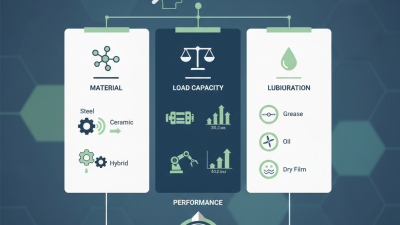
When selecting miniature ball bearings, consider the load capacity. Each bearing has a specific weight limit. Exceeding this limit can lead to failure. Materials also matter. Stainless steel is durable, but ceramic options can offer higher performance in specific applications. Make sure to evaluate the operating environment. Temperature and humidity can affect longevity and performance.
Tip: Always double-check the specifications you need. A small oversight can lead to costly mistakes. Measure your available space accurately. This will help in choosing the right size for your needs. Experimenting with various types can reveal which options suit your project best. Remember, the wrong choice might be more expensive in the long run.
Why Choose Miniature Ball Bearings for Your Projects? - Understanding Miniature Ball Bearings and Their Applications
| Property |
Value |
Applications |
| Inner Diameter (mm) |
1 - 10 |
Micro Motors, Robotics |
| Outer Diameter (mm) |
3 - 20 |
Electric Tools, Laptops |
| Load Capacity (N) |
5 - 100 |
Aerospace, Medical Devices |
| Material |
Stainless Steel, Plastic |
Consumer Electronics, Models |
| Precision Grade |
ABEC 1 - ABEC 9 |
CNC Machines, High-Speed Fans |
| Temperature Range (°C) |
-40 to 120 |
HVAC Systems, Automotive |
Advantages of Using Miniature Ball Bearings in Engineering Projects
Miniature ball bearings are essential in various engineering projects due to their significant advantages. These components assist in reducing friction, enhancing efficiency, and improving performance. According to a report by the International Bearing Association, miniature ball bearings can decrease energy consumption by up to 30%. This reduction is crucial for projects emphasizing sustainability and energy efficiency.
One major benefit is their compact size. They occupy less space while maintaining high load capacities. This feature is particularly valuable in industries like robotics and aerospace, where weight and space are critical. Additionally, these bearings often have a longer lifespan, thanks to advanced materials and precision engineering. A study from the Journal of Mechanical Engineering indicates that miniature ball bearings can extend operational life by 20% in specific applications. However, selecting the right type requires careful consideration of the load and speed to avoid premature failure.
Miniature ball bearings also enhance design flexibility. Engineers can integrate them into tighter designs without sacrificing functionality. Nevertheless, challenges exist. They may require precise installation to function optimally. Improper alignment can lead to increased wear and potential breakdown. An understanding of these risks is vital for anyone using miniature ball bearings in their projects.
Advantages of Miniature Ball Bearings in Engineering Projects
Selecting the Right Miniature Ball Bearings for Your Needs
When selecting miniature ball bearings for your projects, consider key factors that influence performance. The size and load capacity are vital. Ensure the bearing fits your project’s specific dimensions and can handle the weight without failure. Remember, even slight oversights here can lead to operational inefficiencies or failure.
Next, examine the materials used. Stainless steel offers durability and corrosion resistance, while plastic might be lighter but less robust. Each option brings unique benefits and drawbacks. Assess your project’s environment. Will it face moisture or extreme temperatures? This reflection will guide you to suitable choices.
Don’t overlook lubrication. Many miniature ball bearings come pre-lubricated. This feature saves time and ensures smooth operation. However, sometimes a reapplication is necessary, especially if the bearing will be in motion for long periods. Regular maintenance reflects good project management, emphasizing the importance of each choice you make.
Installation and Maintenance Tips for Miniature Ball Bearings
When working with miniature ball bearings, proper installation is crucial.
Start by ensuring the bearing is clean and free of debris. A clean workspace helps prevent contamination during installation. Use appropriate tools for lifting and positioning the bearings. This reduces the risk of damaging them. Consider using a bearing press for a more controlled installation.
Maintenance is another essential aspect. Regularly check for signs of wear. Listen for unusual noises during operation. These may indicate lubrication is needed. Applying the right lubricant can extend the bearing's lifespan. However, avoid over-lubrication, as it can attract dirt and lead to failure. Remember to refer to maintenance guidelines specific to your application for best practices. Implementing these tips can make a significant difference in the performance of miniature ball bearings.
Common Industries Utilizing Miniature Ball Bearings in Their Designs
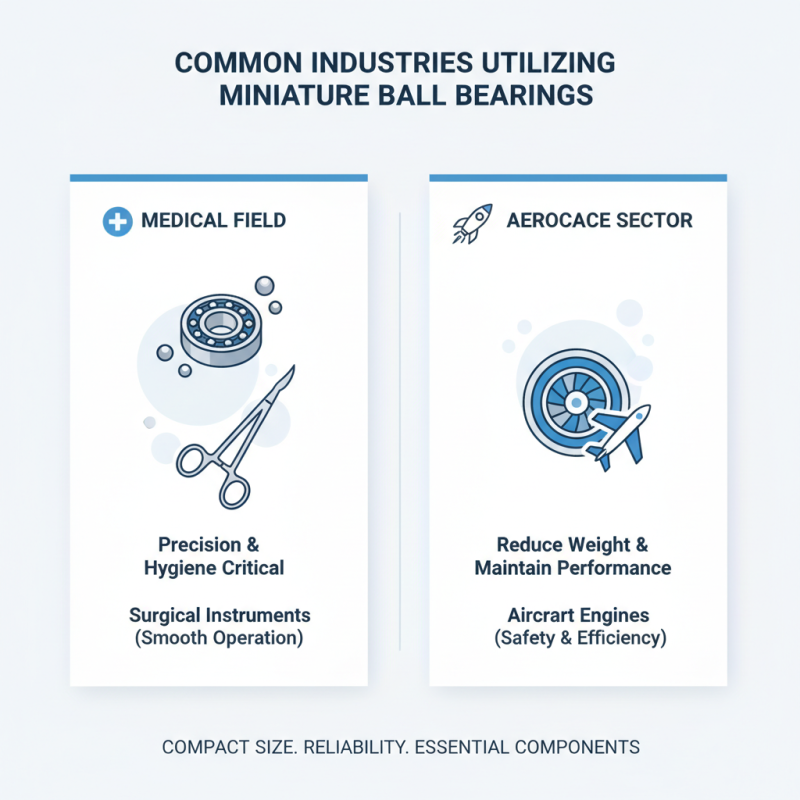
Miniature ball bearings are essential in various industries due to their compact nature and reliability. They are frequently used in the medical field, where precision and hygiene are critical. Surgical instruments often rely on these small components to ensure smooth operation. In the aerospace sector, miniaturized bearings help reduce weight while maintaining performance in aircraft engines. This means safety and efficiency can coexist, even in challenging environments.
In the electronics industry, miniature ball bearings play a significant role in devices like smartphones and computers. They enhance the movement of internal components, contributing to better performance and durability. Robotics is another area where these bearings are vital. They support mechanical arms and joints, enabling precise movements. However, the application can test their limits. Factors such as dust and temperature changes can impact their longevity, prompting engineers to rethink design choices.
The automotive industry benefits greatly from these bearings. They are present in small motors and power tools used in vehicles. These require strong yet compact solutions for everyday operations. However, not all projects will find them suitable. Engineers must assess the conditions and requirements carefully. Balancing factors like load capacity and space can be challenging but necessary for successful design.