Essential Tips for Choosing Machine Bearings for Your Needs?
Choosing the right machine bearings is critical for optimal performance in various applications. These components support rotating shafts and reduce friction. However, selecting the best bearings can be challenging due to numerous options available on the market.
Factors such as load capacity, speed, and operating environment play significant roles in this decision. It's essential to assess the specific needs of your machinery. High-quality machine bearings enhance efficiency and longevity, while poor choices may lead to inadequate performance and costly repairs.
With the right knowledge and understanding, you can make an informed decision. Consider consulting with experts in the field. Their insights can provide valuable guidance. Remember, even small details can impact overall performance. An informed choice always pays off in the long run.
Understanding the Different Types of Machine Bearings Available
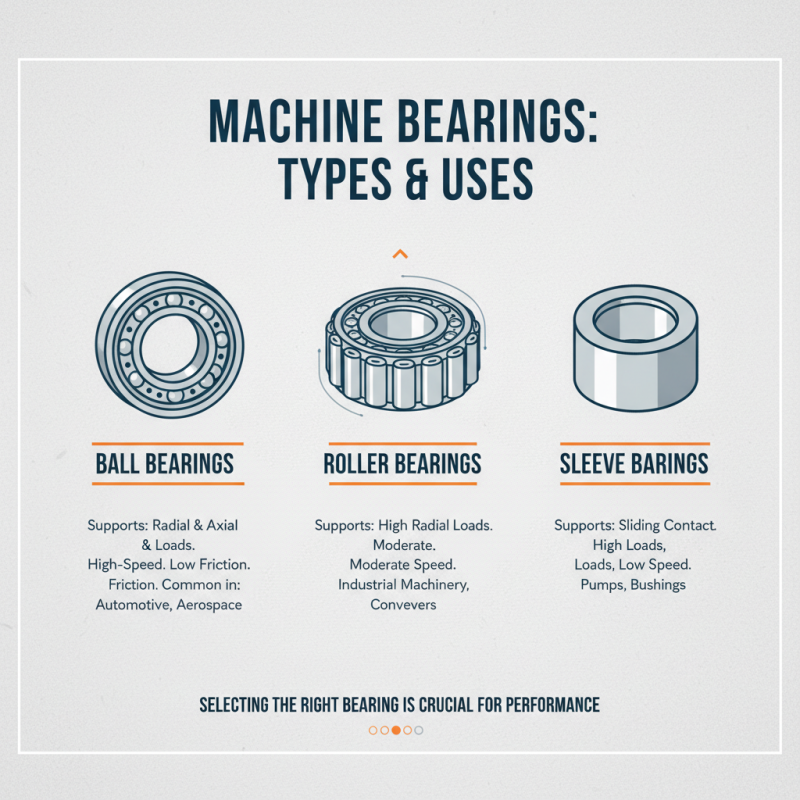
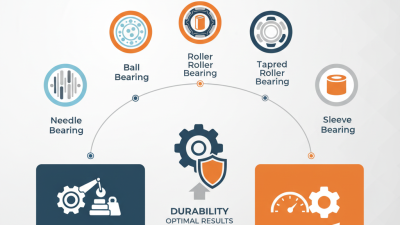
When selecting machine bearings, it is crucial to understand the different types available. The main categories of bearings are ball bearings, roller bearings, and sleeve bearings. Each type has unique features, benefits, and applications. For instance, ball bearings are known for their ability to support both radial and axial loads. They are often utilized in high-speed applications due to their low friction characteristics.
Roller bearings, on the other hand, support heavier loads and are typically used in industrial machinery. They come in various designs, such as cylindrical and tapered, to meet specific operational requirements. Sleeve bearings offer simplicity and cost-effectiveness, making them suitable for lower-speed applications. According to a study by the International Journal of Engineering Research & Technology, improper selection can lead to a 30% increase in downtime and maintenance costs.
When choosing the right bearing, consider the load capacity and speed rating. Examine your application’s environment and choose the material accordingly. Remember to factor in temperature fluctuations and potential contaminants. Overlooked details may result in premature bearing failure. It’s essential to consult technical specifications and even reach out to experts when in doubt.
Choosing the right machine bearing is pivotal for operational efficiency. Regularly reviewing your options can lead to informed decisions that enhance machinery lifespan. Embrace continuous learning to refine your choices over time.
Key Factors to Consider When Selecting Machine Bearings
When selecting machine bearings, several key factors are crucial. Choosing the right material can greatly affect performance and durability. For example, steel bearings typically offer high strength and wear resistance. However, ceramic bearings can provide lower friction and longer life in specific applications. Professionals should consider the operating environment, as corrosion-resistant options may be necessary for harsh conditions.
Another important factor is the bearing's load capacity. According to industry reports, improper load ratings could lead to premature failure. Bearings are categorized into radial, thrust, or combined types, depending on the alignment of loads. Each type has specific advantages, and understanding these is vital for optimal performance.
**Tip:** Consider the operational speed. For higher speeds, select bearings designed for minimal friction.
Seal type is also a consideration. This affects contamination resistance and lubrication retention. Many professionals overlook this, leading to increased maintenance needs. Remember, the right choices here can reduce downtime and extend the lifespan of machinery.
**Tip:** Always evaluate total cost of ownership, not just initial price. Lower quality may lead to more frequent replacements, ultimately costing more.
Essential Tips for Choosing Machine Bearings: Key Factors to Consider
This bar chart illustrates the key factors that are important to consider when selecting machine bearings. Each factor has been assigned an importance level based on common industry standards, helping you understand what to prioritize in your decision-making process.
Evaluating Load Capacity and Speed Ratings for Your Application
When selecting machine bearings, understanding load capacity and speed ratings is crucial. Load capacity refers to the maximum weight a bearing can support. It's vital to choose a bearing that can handle your specific applications. For instance, a bearing in a conveyor system experiences different stresses than one in a high-speed motor. Failure to match these requirements can lead to premature wear or even catastrophic failure.
Speed ratings indicate the maximum speed at which a bearing can operate efficiently. If a bearing operates beyond its speed rating, it can overheat and fail. Consider the speed of your machinery when making selections. It’s helpful to look into the operational environment too. Temperature, moisture, and contamination can all affect performance. Therefore, balance is key.
Overestimating load requirements or speed capabilities is a common mistake. It may seem safer to go with higher specifications, but these bearings often come at a higher cost. Reflecting on actual conditions can lead to better decisions. A thorough assessment of both load and speed ensures durability and reliability in your application. Remember, just because a bearing is rated for higher limits doesn’t mean it’s always the best choice.
Essential Tips for Choosing Machine Bearings for Your Needs
| Bearing Type |
Load Capacity (N) |
Speed Rating (RPM) |
Material |
Application |
| Deep Groove Ball Bearing |
2000 |
6000 |
Chrome Steel |
Automotive |
| Angular Contact Ball Bearing |
1500 |
8000 |
Stainless Steel |
Robotics |
| Spherical Roller Bearing |
3500 |
2000 |
Bronze |
Construction Equipment |
| Tapered Roller Bearing |
4000 |
3000 |
Alloy Steel |
Aerospace |
| Needle Roller Bearing |
1000 |
5000 |
Carbon Steel |
Industrial Machinery |
Material Selection and Its Impact on Bearing Performance
When selecting machine bearings, material choice is crucial for performance. Different materials can significantly affect the durability and efficiency of bearings. Common options include steel, ceramic, and plastic. Each material has its own set of advantages and drawbacks.
Steel bearings offer high strength and wear resistance. They work well in many environments but may suffer in corrosive settings. Ceramic bearings are lighter and resistant to wear and heat. However, they can be brittle and less forgiving under shock loads. Plastic bearings, while lightweight and cost-effective, may not handle heavy loads well.
Consider the application environment. Will the bearing be exposed to moisture or chemicals? If so, opt for corrosion-resistant materials. Additionally, think about load capacity and speed. Not all materials excel under high speeds or heavy loads. Regular assessment of your selections can prevent unexpected failures. Test different options when possible to find what works best for your specific needs.
Maintenance Tips to Extend the Life of Your Machine Bearings
Regular maintenance of machine bearings is crucial to ensure optimal performance and longevity.
Lubrication plays a pivotal role.
Use the right type and amount of lubricant based on the manufacturer's specifications.
Over-lubricating can lead to excessive heat and damage, while under-lubricating causes wear and tear.
Monitoring temperature is essential as well. If bearings run hotter than normal, it might indicate a problem that requires immediate attention.
Cleaning is another vital aspect of maintenance.
Dirt and debris can significantly impact bearing performance. Use Appropriate cleaning agents to remove contaminants without damaging the bearings.
Inspect for signs of wear periodically. Look for pitting, discoloration, or unusual noises during operation.
These can signal that the bearings need attention.
Keeping an accurate maintenance log can improve reliability.
Note the maintenance performed and any irregular findings. This log helps track the performance and signals when to schedule replacements or repairs.
Remember to reassess your lubrication schedule from time to time.
What works today may not work tomorrow. Pay attention to how your bearings respond over time.
This careful observation can prevent costly breakdowns and repairs.