Why Choose Cylindrical Roller Bearings for Your Business Needs?
Cylindrical Roller Bearings are essential in various industrial applications. Their design allows for high radial load capacity, making them ideal for rotating equipment. According to a recent report by MarketsandMarkets, the global bearing market is expected to reach $106 billion by 2026. This growth emphasizes the importance of selecting the right bearing technology, particularly Cylindrical Roller Bearings.
These bearings have superior performance characteristics, enhancing efficiency and longevity. In industries like automotive and aerospace, every component counts. The failure of a single bearing can lead to significant downtime and costs. A study by the American Society of Mechanical Engineers (ASME) indicates that over 30% of machinery failures are due to bearing issues. Therefore, understanding the advantages of Cylindrical Roller Bearings is crucial for optimizing machinery performance.
However, choosing the right bearing isn't always straightforward. Each application has unique requirements, and oversights can lead to suboptimal choices. It is vital to assess load conditions, speed, and environmental factors. By analyzing these aspects, businesses can avoid costly mistakes and ensure they reap the full benefits of Cylindrical Roller Bearings.
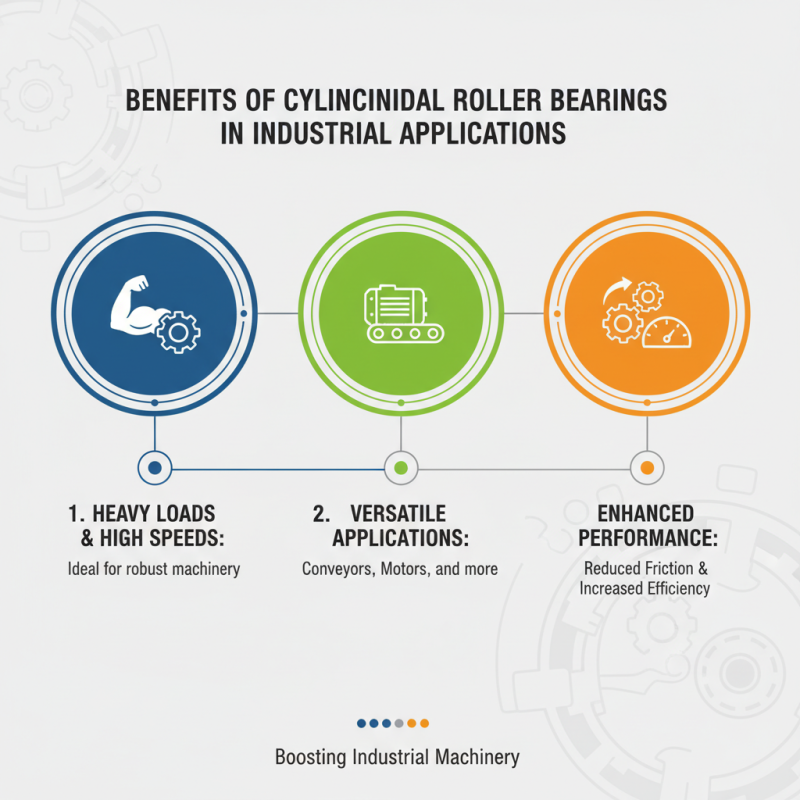
Benefits of Cylindrical Roller Bearings in Industrial Applications
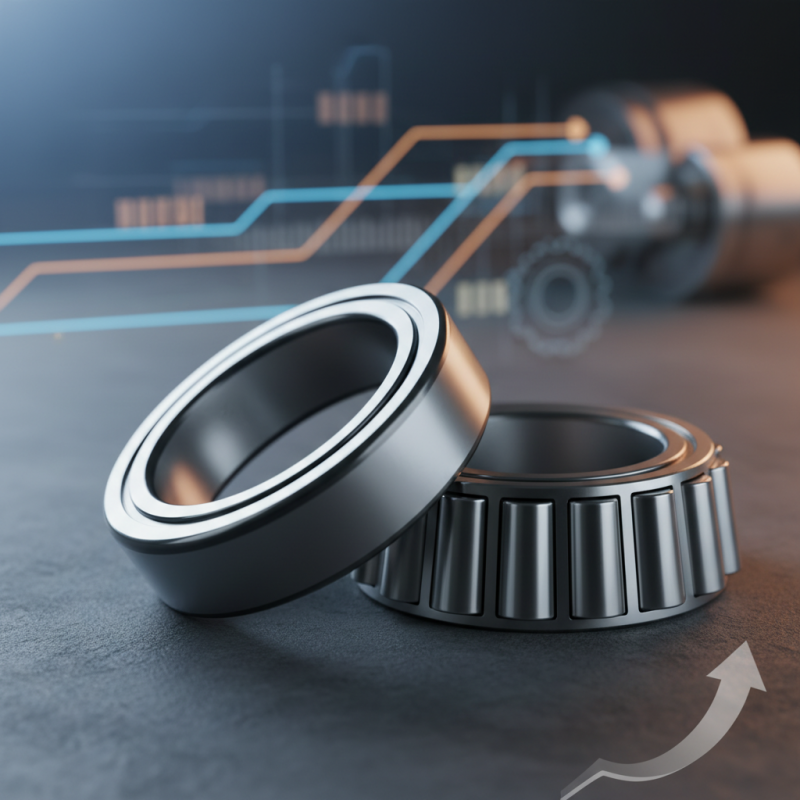
Cylindrical roller bearings play a crucial role in industrial applications. They are designed to handle heavy loads and high speeds. This makes them suitable for a variety of machinery, such as conveyor systems and electric motors. Their structure allows for reduced friction and increased efficiency, enhancing overall performance.
One notable advantage is their ability to accommodate misalignment. This feature can be beneficial in real-world applications where machinery may not always run perfectly aligned. It is essential to consider the operational environment. While these bearings offer many benefits, they can also face issues with contamination. Proper maintenance is necessary to maximize their lifespan.
In many cases, businesses find that cylindrical roller bearings lead to a decrease in downtime. The smooth operation reduces wear and tear on equipment. However, the initial installation can be complex. Adequate training for staff is crucial to ensure proper usage. When implemented correctly, these bearings can significantly improve productivity and reliability in industrial settings.
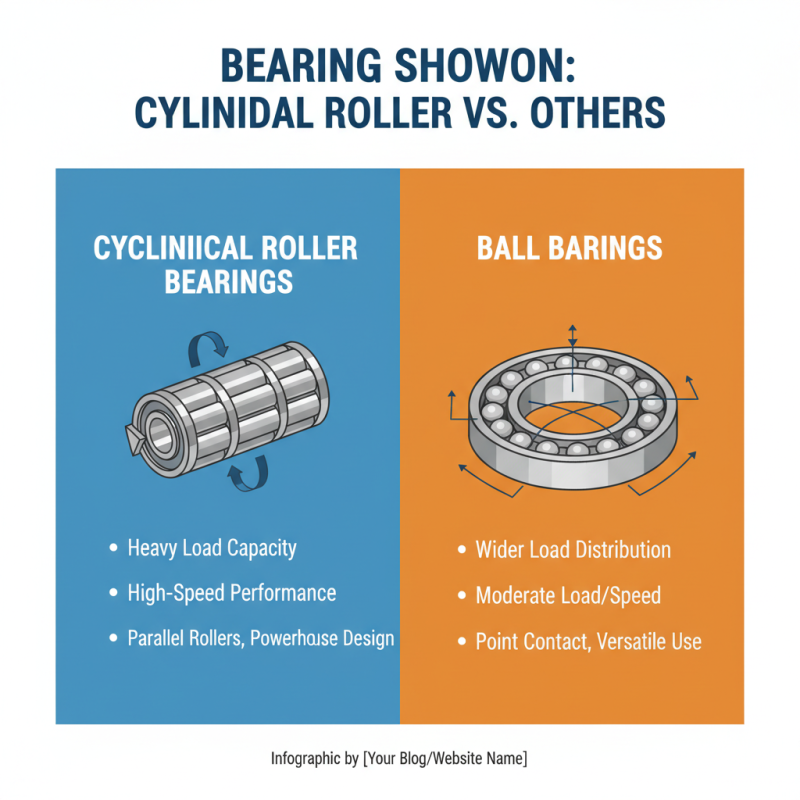
Comparison of Cylindrical Roller Bearings with Other Bearing Types
Cylindrical roller bearings stand out for their unique design. They feature rollers that are aligned parallel to the shaft. This shape allows them to support heavy loads and accommodate high speeds. In contrast, ball bearings distribute loads across a larger area but may not handle heavy strains as effectively.
When comparing to spherical bearings, cylindrical options are often preferred in heavy machinery. Spherical bearings allow for greater angular misalignment but might create uneven wear over time. This can lead to reduced efficiency. With cylindrical roller bearings, the wear pattern tends to be more uniform, prolonging service life.
Here are some tips for choosing bearings:
- Assess the load requirements and operating speeds.
- Consider the space constraints in your machinery.
- Factor in maintenance schedules to avoid downtime.
Choosing the right bearing type is crucial. Each type has its advantages and disadvantages. Therefore, thorough research is vital before making a decision. Remember, the most suitable option varies by application and environment.
Key Specifications and Standards for Cylindrical Roller Bearings
Cylindrical roller bearings are crucial in many industries, providing effective support and reducing friction. Various key specifications define their performance. Understanding these standards helps businesses make informed choices.
The ISO 355 standard outlines dimensions, tolerances, and load ratings for cylindrical roller bearings. This ensures compatibility and reliability. According to a recent industry report, these bearings can handle higher radial loads than ball bearings. Additionally, their design allows for quick dissipation of heat, which is essential for high-speed operations.
Tips: Always check the bearing's load rating before selection. It affects the bearing's lifespan and performance significantly.
Another important specification is the bearing clearance.
It impacts how bearings fit within machinery. A proper fit prevents unnecessary wear. Studies indicate that incorrect clearance can reduce bearing life by over 30%. Thus,
understanding these specifications is essential for optimal performance.
Tips: Regularly monitor bearing conditions.
Early detection of wear can prevent costly machinery failures.
Market Trends and Growth Projections for Bearing Industry
The bearing industry is witnessing significant growth. Companies are investing in advanced technology and sustainable practices. This shift indicates a strong trend towards efficiency and environmental responsibility. The demand for cylindrical roller bearings is particularly notable. Their ability to handle heavy loads positions them as a preferred choice across various sectors.
Analysts predict robust market expansion. The industrial machinery sector will drive much of this growth. With the rise of automation, the need for reliable bearings is increasing. However, challenges remain. Some manufacturers struggle with supply chain issues and fluctuating raw material prices. These factors may hinder growth in the short term but also encourage innovation.
As businesses evaluate their bearing needs, they should consider the implications of these trends. Investing in high-quality cylindrical roller bearings can lead to enhanced performance. Yet, it is essential to remain adaptable. Keeping an eye on market developments will help businesses make informed decisions. Reflecting on operational needs is crucial amid this changing landscape.
Case Studies: Successful Implementation of Cylindrical Roller Bearings
Cylindrical roller bearings have proven to be a vital asset in various industries. Many companies have successfully integrated them into their operations. One case involved a manufacturing plant experiencing frequent downtimes due to equipment failures. By switching to cylindrical roller bearings, they significantly improved reliability. The plant reported a 30% decrease in maintenance costs over six months.
Another instance was in the automotive sector. A company faced challenges with vibration issues in its assembly line. Implementing cylindrical roller bearings helped reduce vibration and improved efficiency. The production output increased by 20%. These examples highlight the practical benefits of these bearings in real-world scenarios.
Tips: Always consider the load capacity before selecting bearings. Choosing the right size can prevent premature failures. Regular maintenance and monitoring are crucial. It’s important to assess the specific operational conditions and adapt accordingly. Understanding these aspects helps in making informed decisions for your business needs.
Why Choose Cylindrical Roller Bearings for Your Business Needs?
| Application Area |
Benefits |
Case Study Example |
Results Achieved |
| Automotive Manufacturing |
High load capacity, improved efficiency |
Implemented in axle assemblies |
30% reduction in maintenance costs |
| Industrial Machinery |
Enhanced performance, thermal stability |
Used in CNC machines |
Increased uptime by 25% |
| Renewable Energy |
Durability in extreme conditions |
Installed in wind turbine gearboxes |
Extended service life by 40% |
| Aerospace |
Lightweight, high precision |
Used in aircraft engines |
Improved fuel efficiency by 15% |
| Construction Equipment |
Resilience to shock loads |
Incorporated in excavators |
Decreased downtime by 50% |