Self-Aligning Ball Bearings play a crucial role in various mechanical applications. According to a report by MarketsandMarkets, the global bearing market is expected to reach USD 90.3 billion by 2025, driven by a growing demand for reliability in machinery. Industries often rely on these bearings for their unique ability to accommodate misalignment, enhancing both performance and lifespan.
When selecting the best self-aligning ball bearing, factors like load capacity, speed ratings, and material composition must be considered. The right choice can significantly reduce downtime and maintenance costs. An SKF study indicates that using high-quality self-aligning ball bearings can decrease friction by up to 30%, improving energy efficiency in operations.
Despite advancements in technology, challenges remain. The selection process can be complex, and not all bearings are created equal. Careful evaluation is essential to avoid potential failures. Identifying the correct specifications ensures optimal performance, but it requires expertise and experience. In an era of increasing automation, prioritizing reliable components is non-negotiable.

Self-aligning ball bearings are crucial components in many machines. They are designed to accommodate misalignments in shafts. This characteristic allows them to maintain performance under varying operational conditions. The inner ring rotates freely, reducing friction and wear. Thus, they enhance the lifespan of the machinery they support.
Functionally, these bearings consist of two rows of balls. They are mounted in a spherical outer raceway. This unique design permits angular adjustments, making them versatile in different applications. They are often found in electric motors, conveyors, and agricultural machinery. However, installation must be precise. Misalignment can lead to premature failure, which is a common oversight.
Understanding their specifications is key. Load ratings, sizes, and materials impact performance. The right choice depends on the application environment. Environmental conditions like temperature and moisture levels also affect their operation. Bearing maintenance is essential to ensure efficiency. Regular checks can prevent costly downtime. Ignoring these elements can result in underperformance. Awareness and attention to detail can lead to better outcomes.
| Bearing Size (mm) | Dynamic Load Rating (kN) | Static Load Rating (kN) | Max Speed (rpm) | Material | Applications |
|---|---|---|---|---|---|
| 20 x 42 x 12 | 15.5 | 8.3 | 8000 | Steel | Electric Motors |
| 30 x 62 x 16 | 30.0 | 20.0 | 6000 | Chrome Steel | Industrial Fans |
| 35 x 72 x 17 | 45.0 | 29.0 | 5300 | Stainless Steel | Pumps |
| 40 x 80 x 18 | 60.0 | 35.0 | 4700 | Chrome Steel | Conveyor Systems |
| 50 x 90 x 20 | 70.0 | 40.0 | 4200 | Steel | Textile Machines |
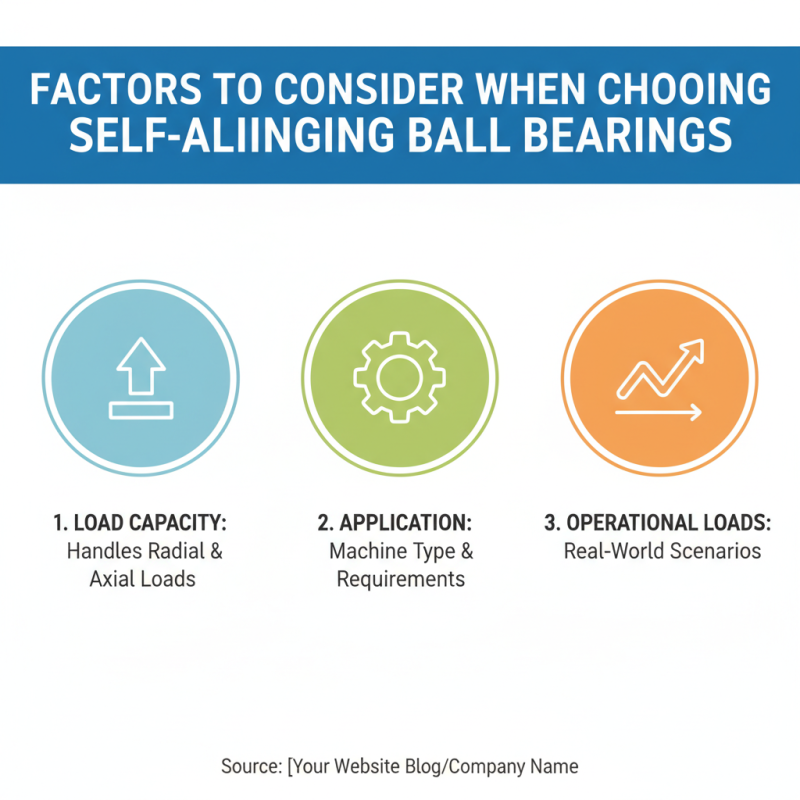
When selecting self-aligning ball bearings, several key factors must be considered. First, the bearing's load capacity is crucial. The bearing should handle both radial and axial loads effectively. Understanding the application is essential. Different machines require varying load capacities. Make sure to evaluate the expected loads your bearing will face in real-world scenarios.
Another vital aspect is the material used in the bearing. High-quality materials can enhance durability and performance. Steel bearings offer strength, while ceramic materials provide lighter weight and corrosion resistance. Consider the operating environment as well. Extreme temperatures or exposure to moisture can impact material performance and longevity.
Lastly, pay attention to the lubrication method. Proper lubrication reduces friction and wear, ensuring optimal performance. Decide between grease or oil based on your application's needs. Assess the ease of maintenance too. A self-aligning ball bearing that is easy to maintain can save time and resources. Reflect on these aspects carefully to make a sound choice that aligns with your operational demands.
Self-aligning ball bearings are crucial for various mechanical systems. They offer features that enhance performance and reliability. One key feature is the self-aligning capability. These bearings accommodate misalignment, which can occur during operation. This reduces wear and extends the lifespan of the bearing.
Another important aspect is the material used in their construction. High-quality steel or ceramic materials provide durability. They ensure resistance to corrosion and wear. The precision of the inner and outer races also matters. Tight tolerances contribute to smooth rotation and reduced friction.
Tip: Regular maintenance is essential. Check for signs of wear or misalignment. Listening for unusual noises can help detect issues early.
In addition, consider the lubrication type. Proper lubrication reduces friction and heat, enhancing performance. However, over-lubrication can lead to contamination. Thus, it's vital to find the right balance.
Tip: Analyze the operating conditions. Temperature, speed, and load can all affect bearing life. Understanding these factors helps in selecting the best bearing for your needs.
Self-aligning ball bearings are essential for various applications, including automotive, industrial machinery, and household appliances. These bearings ensure smooth rotation and accommodate misalignment due to shaft deflection or mounting errors. In this review, we delve into the ten best self-aligning ball bearings that deliver remarkable performance and reliability.
When selecting self-aligning ball bearings, consider the load capacity and operating environment. Look for bearings that can withstand contamination, humidity, and vibrations. It’s crucial to assess the internal clearance, as it impacts performance. A well-chosen bearing enhances machinery life but may require regular maintenance.
Tip: Regular lubrication helps maintain optimal performance. Too little oil can lead to heat and wear. However, over-lubrication can cause damage. Strike a balance for sustained efficiency.
Pay attention to the materials used in construction. A high-quality bearing often features chrome steel or stainless steel. These materials offer durability and reduce friction. Inspect your bearings periodically for signs of wear or misalignment. Addressing issues early can prevent costly downtimes.
Tip: Use a specialized lubricant suited for your application. This choice can significantly affect bearing longevity. Always refer to manufacturer guidelines for best practices.
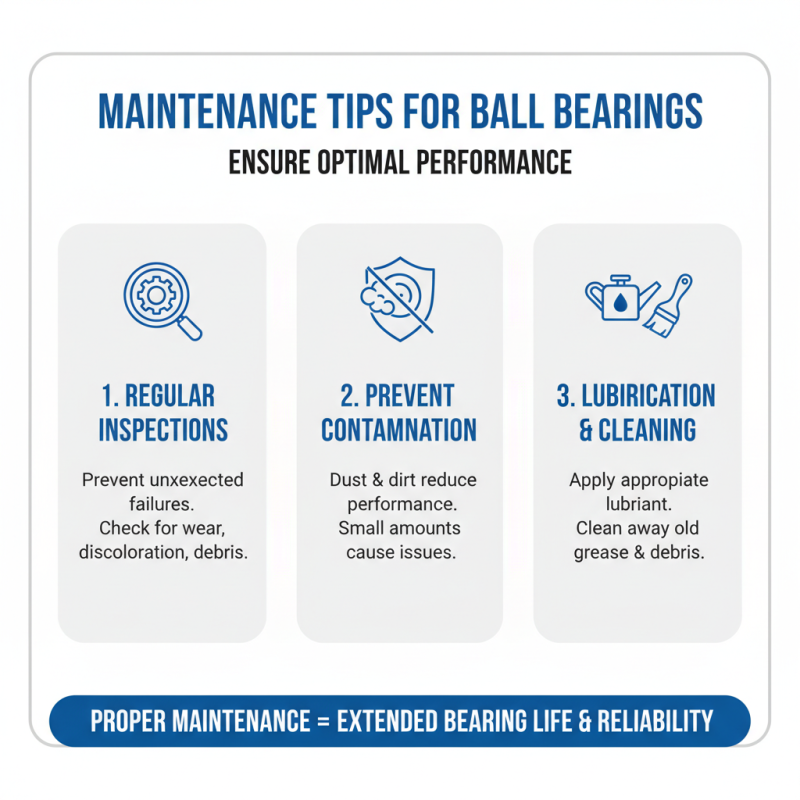
Proper maintenance of self-aligning ball bearings is crucial for optimal performance. Regular inspections can prevent unexpected failures. Check for signs of wear, discoloration, or debris. Actual performance can drop if bearings accumulate dust or dirt. A small amount of contamination can lead to greater issues over time.
Lubrication is another key factor. Ensure you apply the correct type and amount of lubricant. Over-lubrication can cause overheating. On the other hand, insufficient lubrication leads to increased friction. Keep an eye on operating temperatures. Elevated temperatures could indicate an underlying problem.
Cleaning these bearings frequently can enhance their lifespan. Use proper cleaning agents that won’t damage them. It’s tempting to skip cleaning due to time constraints. However, neglecting this crucial step can create long-term issues. Consider establishing a maintenance schedule tailored to your specific operational environment. This can lead to better performance and reliability.