Why is Auto Wheel Bearing Essential for Vehicle Performance?
The Auto Wheel Bearing plays a vital role in vehicle performance. These components may seem small, but they carry significant responsibility. They allow wheels to rotate smoothly while supporting the weight of the vehicle. Without a well-functioning wheel bearing, driving becomes challenging and potentially dangerous.
When this crucial part wears out, it can lead to various problems. You might hear strange noises, or your vehicle could vibrate. Ignoring these signs can result in costly repairs. It’s easy to overlook the importance of Auto Wheel Bearings in daily vehicle maintenance. Many drivers wait until problems arise, which is not advisable. Regular checks can help identify issues early, preventing breakdowns.
This essential component impacts handling, safety, and overall performance. Understanding its function is key for any vehicle owner. It's not just about the ride; it's about ensuring every journey is safe and smooth. Reflecting on this can encourage drivers to prioritize regular maintenance.
The Function of Auto Wheel Bearings in Vehicle Systems
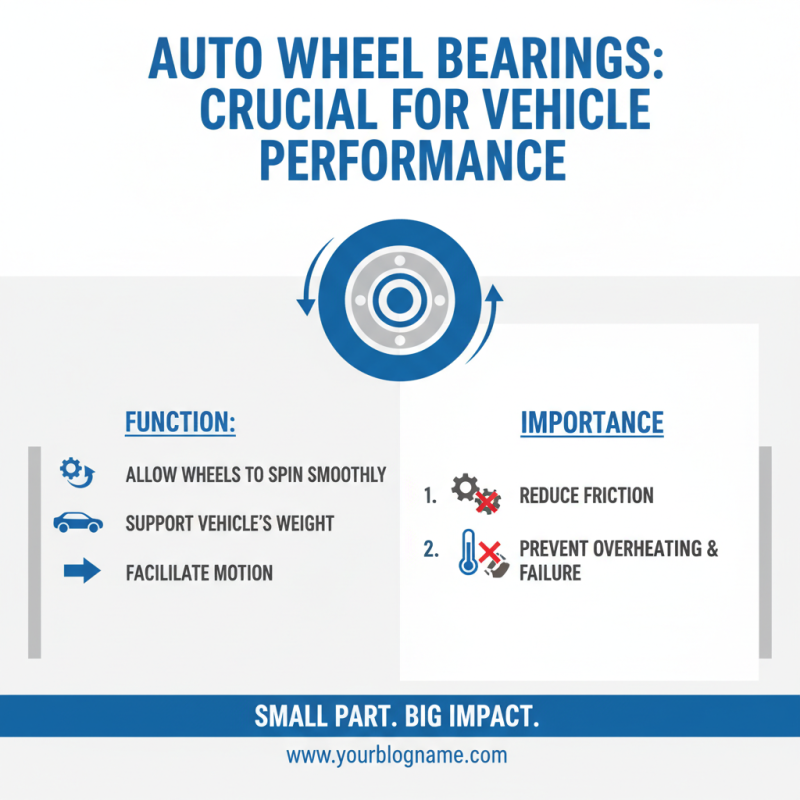
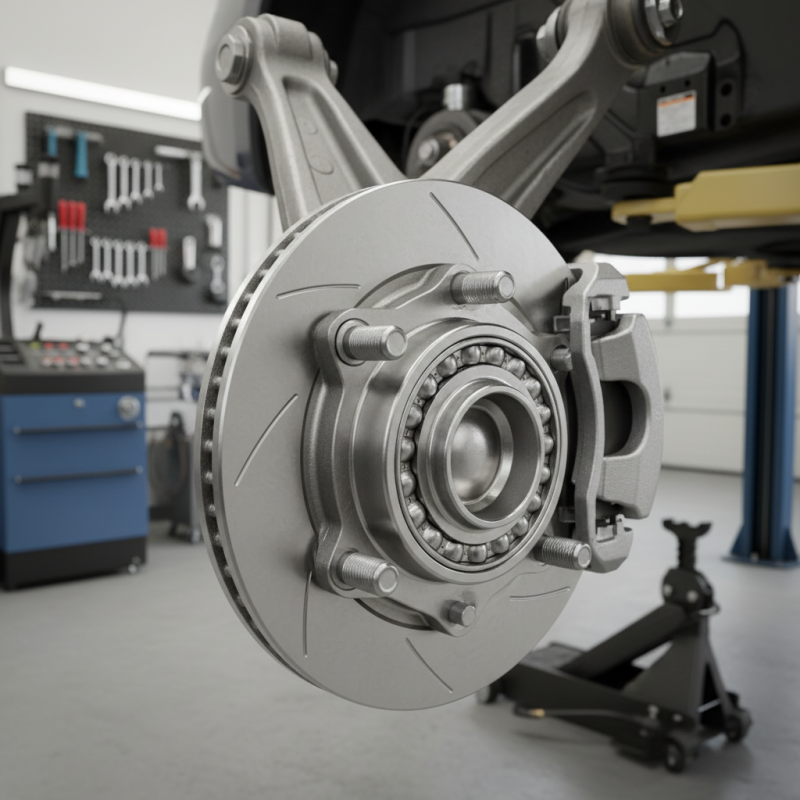
Auto wheel bearings play a crucial role in vehicle performance. These small but mighty components allow the wheels to spin smoothly around the axle. They support the weight of the vehicle and facilitate motion. Without them, friction would increase dramatically, leading to overheating and potential failure.
When driving, wheel bearings ensure stability and control. They help to distribute weight evenly, which enhances handling. Poorly functioning bearings can cause wobbling or noise. Drivers might notice unusual sounds from the wheels. It’s a sign that maintenance is needed. Many ignore these warnings, thinking nothing is wrong.
Regular inspection is essential to prevent issues. Signs of wear include uneven tire wear and difficulty steering. While some car owners may delay servicing due to budget constraints, it’s important to prioritize safety. Replacing faulty wheel bearings can prevent more expensive repairs down the line. These components are integral to both performance and safety.
Types of Auto Wheel Bearings and Their Applications
Auto wheel bearings play a crucial role in vehicle performance. They allow the wheels to rotate smoothly while supporting the vehicle's weight. Understanding the different types of auto wheel bearings helps in selecting the right one for various applications.
There are two primary types of auto wheel bearings: ball bearings and roller bearings. Ball bearings are common in passenger vehicles. They provide low friction and are suitable for high-speed applications. Roller bearings are typically used in heavier vehicles. They can handle larger loads and provide better stability under heavy conditions. Each type serves its purpose, depending on the vehicle's design and expected use.
Tips: Regularly inspect wheel bearings for signs of damage. Strange noises can indicate wear. Early detection can save on costly repairs later.
Not all wheel bearings are created equal. Some might struggle under extreme conditions. Research shows that using the wrong type can lead to quicker wear and tear. It's important to match the wheel bearing type with the vehicle's specifications. This ensures optimal performance and longevity.
Why is Auto Wheel Bearing Essential for Vehicle Performance? - Types of Auto Wheel Bearings and Their Applications
| Type of Wheel Bearing |
Application |
Key Features |
Advantages |
| Ball Bearings |
Passenger Vehicles |
Low friction, supports radial loads |
Smooth operation, cost-effective |
| Roller Bearings |
Heavy-Duty Trucks |
Higher load capacity, durable |
Increased longevity, improved performance |
| Tapered Roller Bearings |
SUVs and Off-Road Vehicles |
Handles both radial and axial loads |
Versatile performance, excellent for dynamic loads |
| Spherical Bearings |
Motorcycles |
Allows for misalignment |
Improved handling, flexibility in design |
| Magnetic Bearings |
High-Performance Vehicles |
Non-contact, magnetic levitation |
Minimal friction, reduced heat generation |
Impact of Wheel Bearing Condition on Vehicle Safety and Handling
Wheel bearings play a crucial role in vehicle safety and handling. These small components support the weight of the vehicle and enable smooth wheel rotation. When in good condition, they reduce friction and enhance performance. However, worn or damaged wheel bearings can lead to significant problems. They can affect steering, alignment, and braking.
A failing wheel bearing can produce a grinding noise. This noise often gets louder with speed. It’s essential to listen for unusual sounds while driving. If you notice them, inspect the bearings promptly. Ignoring this issue can lead to more severe consequences, including tire blowouts or accidents.
Tips: Regularly check for play in your wheels. If you can move the wheel side to side, it may indicate wear. Additionally, pay attention to vibration in the steering wheel. This could signal an underlying bearing problem. Be proactive in maintenance; it can save you from costly repairs later on.
Impact of Wheel Bearing Condition on Vehicle Safety and Handling
This chart illustrates the impact of wheel bearing condition on vehicle performance. Each condition reflects how the performance level decreases from excellent to critical, highlighting the importance of maintaining wheel bearings for optimal vehicle safety and handling.
Signs of Wheel Bearing Wear and When to Replace Them
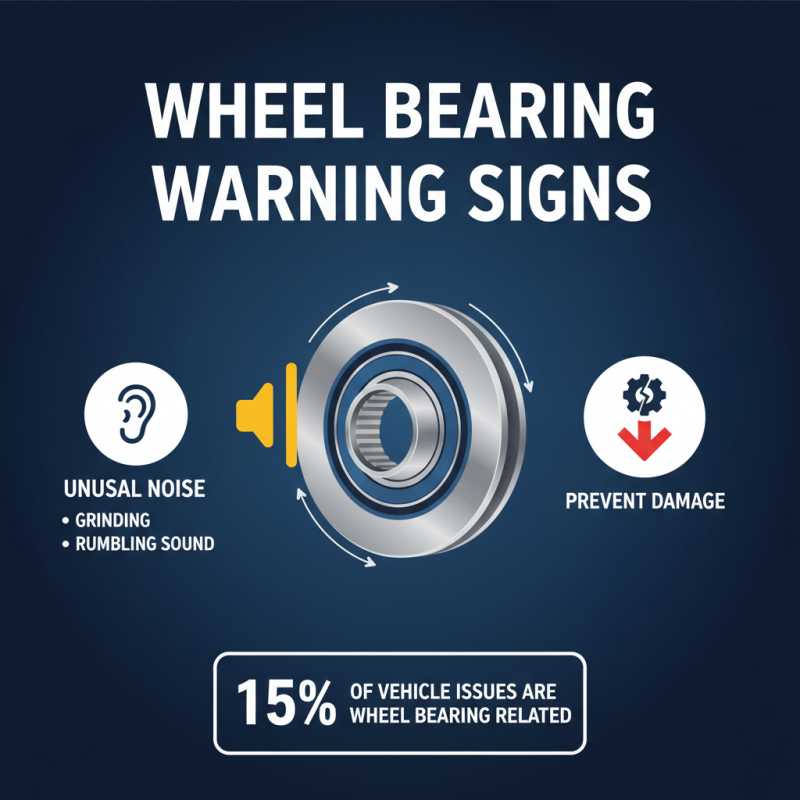
Wheel bearings play a crucial role in vehicle performance. When these components start to wear out, distinct signs emerge. A common warning is unusual noise from the wheel area. A grinding or rumbling sound often indicates that the bearings are failing. According to industry reports, about 15% of vehicle issues stem from wheel bearing problems. Therefore, noticing these sounds early can prevent further damage.
Vibration is another key sign of wear. If the steering wheel shifts or shakes, it often points to bearing issues. This is particularly evident when driving at higher speeds. Research suggests that 70% of drivers do not recognize these symptoms until it's too late. Ignoring these signs can lead to more extensive repairs. In fact, replacing a wheel bearing can cost between $300 and $500, according to mechanic estimates.
Timing for replacement is essential. Experts recommend checking your wheel bearings every 30,000 miles. However, if you notice any strange noises or vibrations, it’s wise to inspect them sooner. Delaying this could result in unsafe driving conditions. Regular maintenance and awareness are vital for optimal vehicle performance. Don't wait until a minor issue becomes a larger, unresolved problem.
Maintenance Tips for Prolonging Wheel Bearing Life and Performance
Proper maintenance of wheel bearings is crucial for vehicle safety and performance. According to industry studies, approximately 30% of vehicle failures are linked to bearing issues. Regular inspections can significantly reduce the likelihood of such failures. Checking for unusual noises, vibrations, or heating can alert drivers to potential problems.
To extend the life of your wheel bearings, consider regular greasing. Experts recommend re-greasing every 20,000 to 30,000 miles, depending on your driving habits. In addition, keep tire pressures at recommended levels. Poor tire pressure can lead to uneven wear and strain on the bearings.
Another key factor is the driving environment. Exposure to water, dirt, and extreme temperatures can shorten bearing life. If driving frequently in such conditions, more frequent checks are needed. Remember, neglecting these issues could lead to costly repairs and unsafe driving conditions. A proactive approach towards maintenance will always pay off in the long run.