2026 Best Agricultural Bearing Trends for Global Buyers?
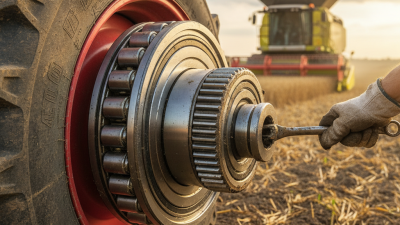
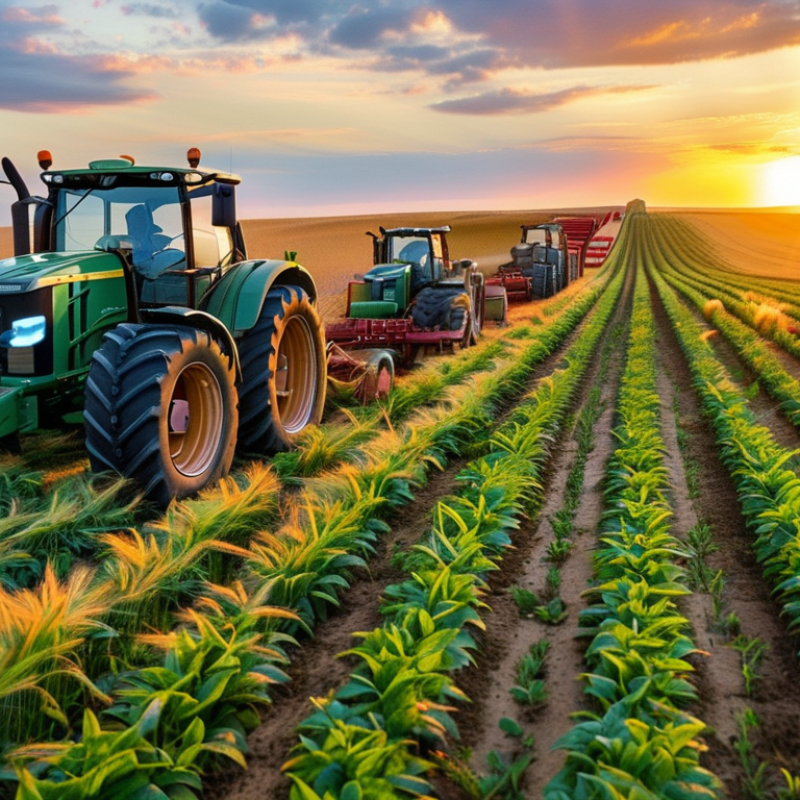
In recent years, the agricultural industry has witnessed significant advancements in technology. Agricultural bearing components play a crucial role in ensuring machinery operates efficiently. These bearings withstand harsh conditions, offering reliability and support for equipment like tractors and harvesters.
As we approach 2026, buyers must be aware of trends shaping this market. Innovations in materials and design are emerging. Lightweight options are gaining popularity, offering reduced wear and longer service life. Sustainable practices are also driving changes. Buyers are increasingly looking for eco-friendly products.
However, the search for the best agricultural bearing can be challenging. Not all products advertise their benefits clearly. Inexperienced buyers may struggle to identify reliable brands. It’s vital to understand what truly enhances performance. Research and experience are key in navigating this evolving landscape.
Emerging Technologies in Agricultural Bearings for 2026
Emerging technologies play a crucial role in shaping the future of agricultural bearings for 2026. Innovations in materials science, such as the development of lightweight composites and advanced polymers, are set to enhance durability and reduce maintenance. According to a report by Transparency Market Research, the agricultural bearings market is projected to reach USD 10.85 billion by 2026, largely driven by these trends.
Additionally, IoT and AI integration are revolutionizing monitoring and maintenance practices. Smart bearings can transmit real-time data on performance and wear. This technology minimizes downtime and optimizes machine productivity. A recent study highlighted that early detection of bearing failures could reduce repair costs by up to 30%.
*Tip: Regularly monitor bearing performance data to identify potential issues before they worsen.*
Sustainability is another focus area. The industry is moving towards eco-friendly materials and manufacturing processes. While progress is notable, challenges remain. The shift requires education and adaptation of existing practices in agricultural operations. Awareness of these emerging technologies leads to better decision-making and investment strategies.
*Tip: Consider training for staff on new technologies to maximize their benefits.*
2026 Best Agricultural Bearing Trends
This chart illustrates the anticipated market demand for various agricultural bearing trends in 2026. Key trends include Smart Bearings, Sustainable Materials, IoT Integration, High Load Capacity, and Noise Reduction, reflecting the evolving priorities in the agricultural sector.
Sustainability Trends Affecting Agricultural Bearing Choices in 2026
Sustainability is reshaping the agricultural bearing market. In 2026, buyers will prioritize eco-friendly materials. The growing demand for sustainable practices is visible in various industry reports. A study conducted by the World Agriculture Organization found that over 70% of farmers now consider environmental impact when sourcing equipment.
Recyclable materials and energy-efficient production methods are trending. Users increasingly prefer products that reduce carbon footprints. For example, bearings made from biodegradable composites are gaining attention. Such innovations reflect a commitment to both performance and sustainability.
However, these changes are not without challenges. Sourcing sustainable materials can lead to higher costs. Additionally, many traditional manufacturers may struggle to adapt. Market analysts suggest buyers should weigh the long-term benefits against initial investments. Sustainability is not a fad; it is a necessary evolution in agriculture.
Key Manufacturers and Innovations in Agricultural Bearings for 2026
The agricultural bearing market is evolving rapidly. Key manufacturers are focusing on durability, efficiency, and advanced technology. Innovations include better materials and designs, enhancing performance in tough conditions. This shift is crucial for farmers who rely on machinery for daily operations.
Many leading companies are investing in research and development. They aim to create bearings that reduce maintenance costs and improve lifespan. The use of smart sensors in bearings is a notable trend, helping monitor performance in real-time. This advancement opens doors for predictive maintenance, reducing unexpected downtimes.
However, challenges remain. Not all innovations are effective in all conditions. Some bearings may not perform well under extreme weather conditions or heavy loads. Buyers need to consider local conditions when selecting bearings. Understanding specific needs is essential to maximize efficiency and prevent failures.
2026 Best Agricultural Bearing Trends for Global Buyers
| Trend |
Key Features |
Materials Used |
Applications |
Innovative Technologies |
| Increased Use of Composite Materials |
Enhanced strength-to-weight ratio |
Composite polymers, carbon fiber |
Tractors, harvesters |
3D printing for customized components |
| Smart Bearings with IoT |
Real-time monitoring of performance |
Metal alloys, smart sensors |
Precision agriculture equipment |
Predictive maintenance technologies |
| Sustainability Focused Designs |
Eco-friendly materials |
Biodegradable composites |
Farming machinery |
Life cycle analysis tools |
| High-Temperature Resistance |
Improved durability under heat |
Ceramic materials |
Heavy-duty machinery |
Advanced heat treatment processes |
Market Demand Analysis for Agricultural Bearings Among Global Buyers
The agricultural bearing market is evolving rapidly. Global buyers are increasingly looking for high-performance components. This shift is driven by rising agricultural output demands and the need for efficient machinery. Buyers now prioritize bearings that enhance productivity and reduce maintenance needs.
Recent trends indicate a strong preference for bearings that can withstand extreme conditions. Buyers value durability and reliability over initial cost savings. They seek products that feature advanced materials and innovative designs. This focus on quality leads to a longer lifecycle and lower replacement frequency.
Despite these trends, challenges remain. Buyers must navigate fluctuating material costs and supply chain disruptions. Sustainable manufacturing practices are increasingly becoming a priority. There is a growing expectation for transparency in sourcing. Balancing performance and sustainability is a complex task that requires continuous reflection and adaptation.
Regional Variations in Agricultural Bearing Preferences for 2026
As the agricultural sector evolves, regional preferences for bearings show notable variations. In Europe, farmers prioritize durability and low maintenance. These bearings must withstand extreme weather conditions and heavy loads. In contrast, North American buyers often favor high-speed performance. They need bearings that can handle rapid machinery movements without overheating.
Tips: Always consider the specific needs of your region. Research local crop types and machinery used. This information can guide your choice of bearings.
In Asia, the focus is shifting towards cost-effectiveness and efficiency. Farmers tend to select budget-friendly options that still deliver reliable performance. However, this decision may lead to more frequent replacements, raising overall costs. Balancing cost and quality is crucial but not always straightforward.
Tips: Analyze the long-term benefits versus initial costs when selecting bearings. Sometimes investing more upfront can save money over time.